
A Mission to Earth's Hostile Twin
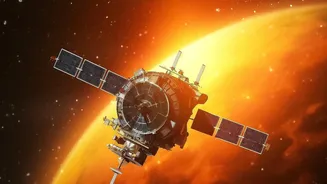
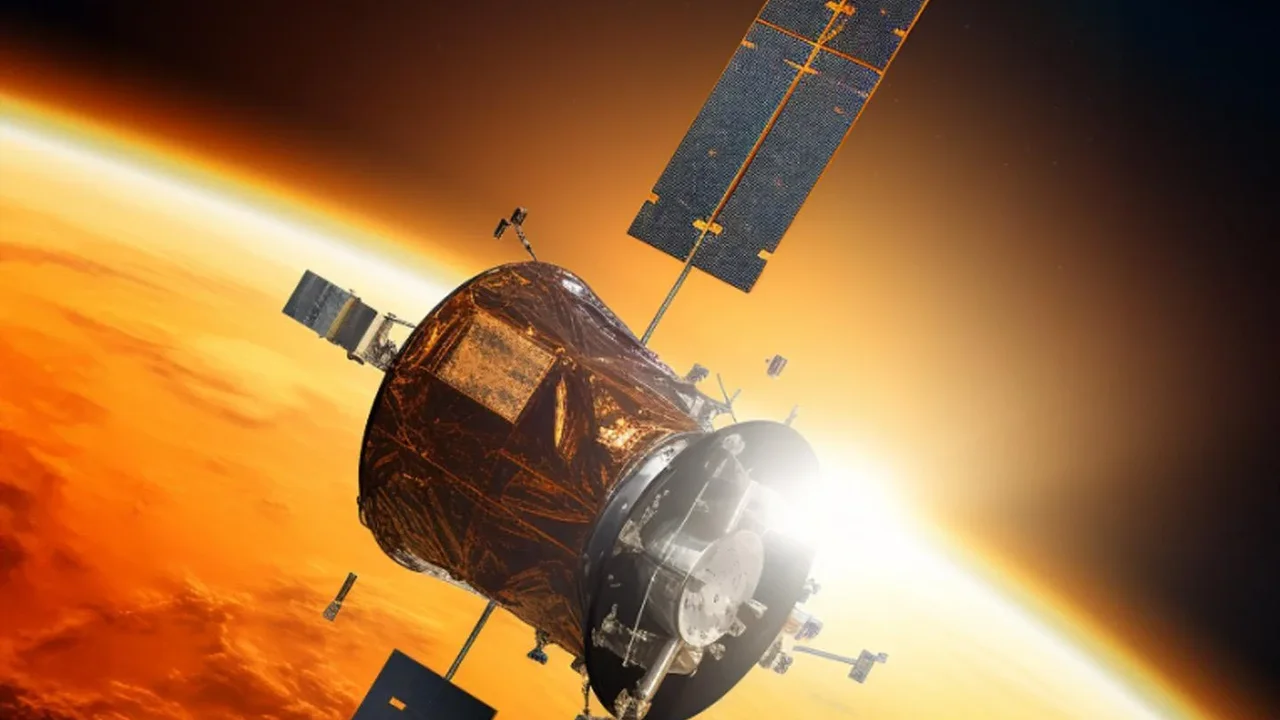
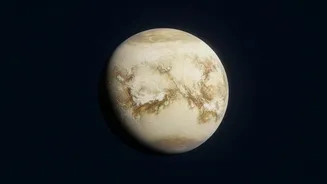
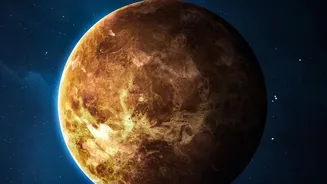
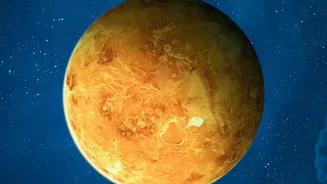
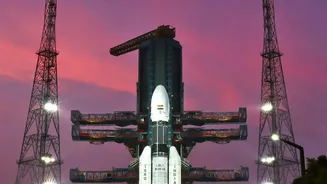
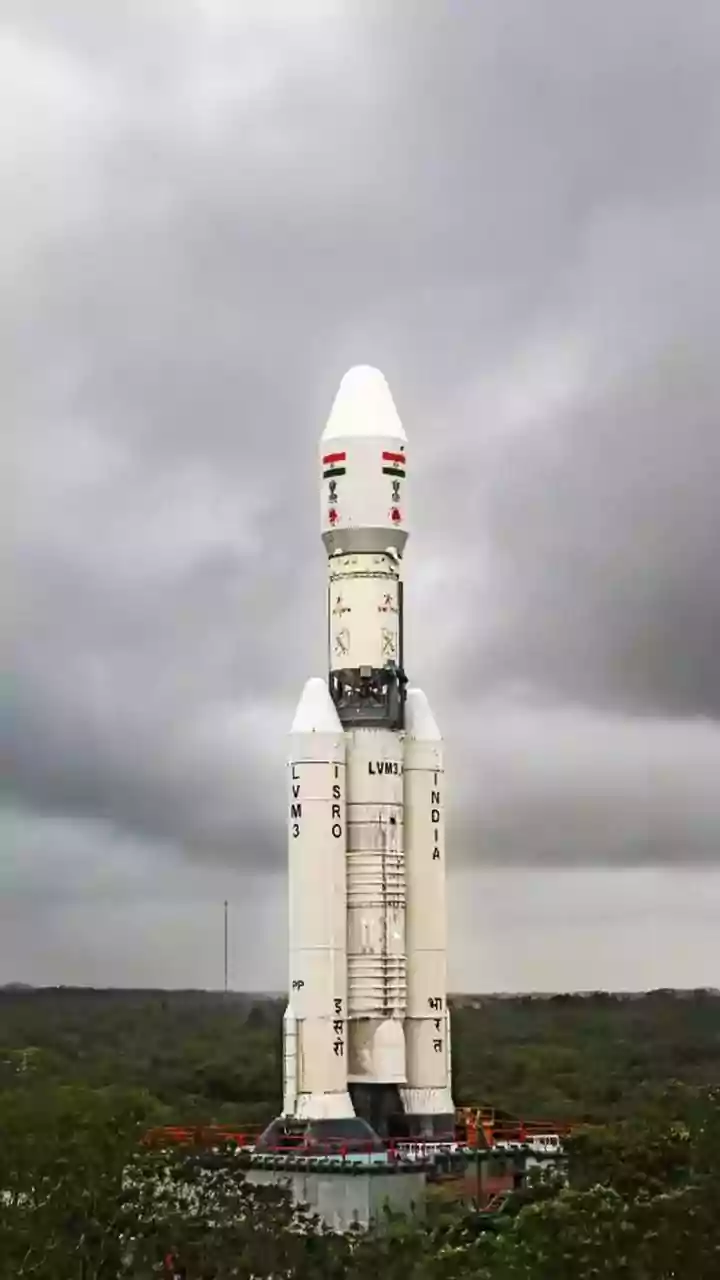
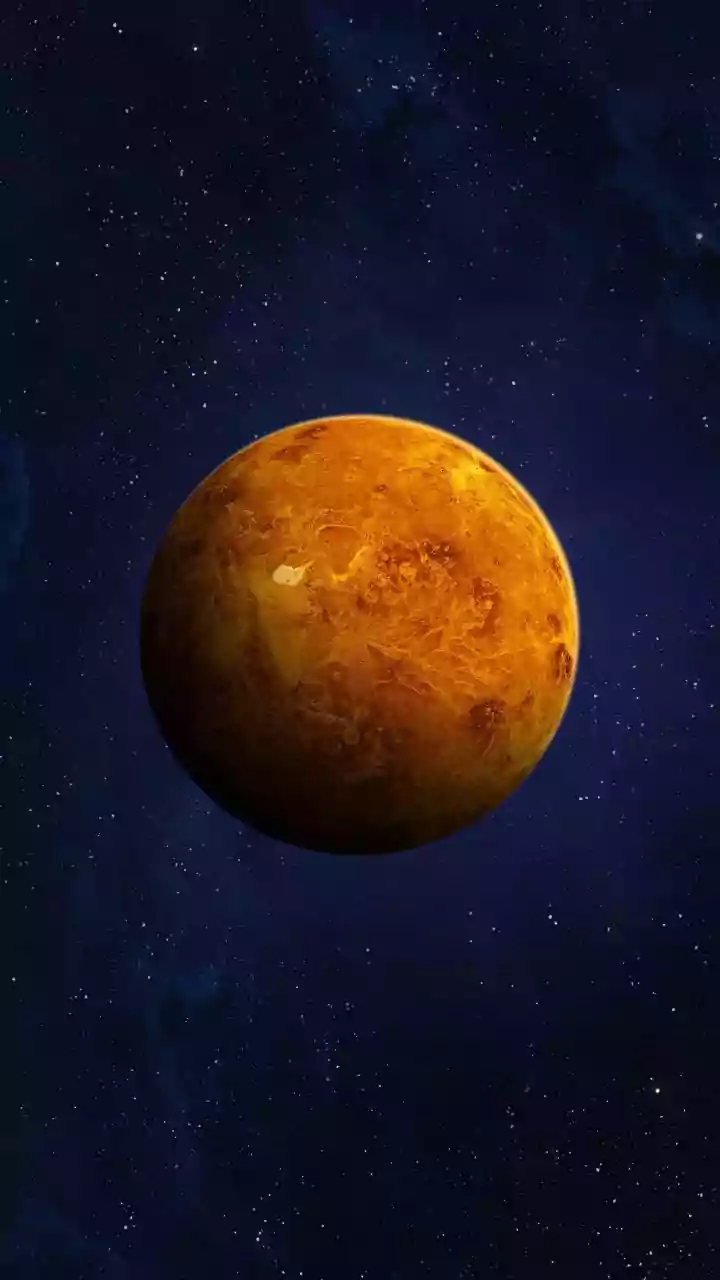
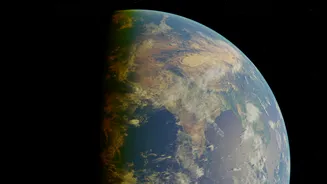
India's next major leap into the cosmos is the Shukrayaan-1 orbiter, a landmark mission to Venus. After the successes of Chandrayaan (Moon) and Mangalyaan (Mars), ISRO is setting its sights on the most hostile planet in our solar system. Venus is similar
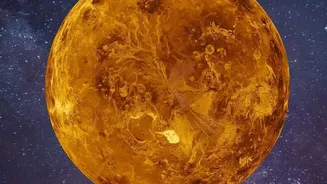
to Earth in size, but its surface is hot enough to melt lead, and its atmospheric pressure is over 90 times that of Earth's. The primary goal of Shukrayaan is to understand why our planetary twin took such a drastically different evolutionary path. The spacecraft, carrying a suite of sophisticated instruments, will orbit Venus, studying its surface, atmosphere, and how it interacts with the solar wind.
The Sulfur Dioxide Puzzle
A key target for ISRO's mission is sulfur dioxide (SO2). On Earth, SO2 is a trace gas, but on Venus, it's the third most abundant atmospheric gas after carbon dioxide and nitrogen. It plays a critical role in Venus's extreme climate, forming the thick, corrosive clouds of sulfuric acid that perpetually shroud the planet. Scientists are particularly interested in SO2 because its presence is a potential indicator of active volcanism. Just as volcanoes on Earth spew sulfur into the atmosphere, eruptions on Venus would likely do the same. By measuring SO2 levels, Shukrayaan could find the 'smoking gun' that proves Venus is still geologically active.
The Tool: A Celestial Detective
To detect and measure sulfur dioxide from orbit, ISRO will employ a powerful tool: the spectrometer. Think of a spectrometer as a high-tech prism. Just as a prism splits sunlight into a rainbow of colors, a spectrometer takes light and breaks it down into its constituent wavelengths. Shukrayaan will carry several instruments with spectroscopic capabilities, including the Venus Infrared Atmospheric Gases Linker (VIRAL), a collaboration with Russian and French agencies. These instruments are designed to analyze the light that has passed through or is emitted from the Venusian atmosphere, looking for clues hidden within the spectrum.
How It Reads an Atmosphere
The process is incredibly clever. As sunlight streams through Venus's atmosphere, the gases present absorb very specific wavelengths (or 'colors') of light. Each gas has a unique absorption pattern, like a chemical fingerprint. The spectrometer aboard the Shukrayaan orbiter will capture this light after it has been altered by the atmosphere. By looking at which specific colors are missing from the rainbow, scientists can tell exactly which gases are present. Sulfur dioxide, for instance, absorbs light in the ultraviolet and infrared parts of the spectrum. The instrument essentially looks for the 'shadow' that SO2 casts on the light.
From Light to Data
The spectrometer doesn't just detect the presence of a gas; it can also measure its concentration. The more sulfur dioxide there is in the atmosphere, the more light it will absorb at its characteristic wavelengths. The 'shadow' in the spectrum will be darker and more pronounced. By analyzing the depth and breadth of these absorption lines, scientists can build a detailed map of where sulfur dioxide is located in the atmosphere and how its concentration changes over time and at different altitudes. This data provides crucial insights into atmospheric circulation patterns and potential sources, like volcanic plumes. The VIRAL instrument, for example, is specifically designed to study the vertical profile of gases in the atmosphere.
Answering the Big Questions
By precisely measuring atmospheric sulfur dioxide, Shukrayaan will do more than just catalogue chemicals. It will provide data to help answer some of the biggest questions about Venus. Are there active volcanoes on the surface? How does the planet's runaway greenhouse effect work? Why did Venus lose its water while Earth kept its oceans? These advanced spectrometers are not just instruments; they are our remote eyes, peering through the acid clouds to read the story of a planet. The information they gather will be crucial for understanding planetary evolution, not just for Venus, but for Earth and for the countless exoplanets being discovered across the galaxy.