




The End of Impulsive Trips
What was once considered the tourism off-season is now a bustling travel period in India. The monsoon, from roughly June to September, has shed its reputation as a time to stay home. Instead, it has become a preferred window for travel, with hotel bookings
seeing a significant year-on-year increase of over 50%. This surge in popularity means the era of waking up on a Saturday, deciding to drive to Lonavala or Coorg, and easily finding a hotel room is quickly coming to a close. Travel platforms report that the booking window for popular monsoon destinations has stretched considerably. Spontaneous one-week-out plans are being replaced by well-thought-out itineraries booked four to six weeks in advance. This structural shift indicates that the rainy season is no longer an afterthought but a primary vacation choice for many Indians.
What’s Fuelling the Rainy-Day Rush?
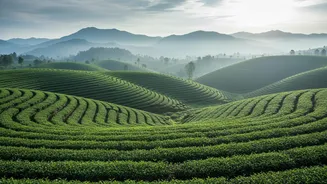
Several factors are contributing to this downpour of demand. The rise of flexible work arrangements and 'workations' has untethered many from the traditional holiday calendar, allowing them to travel during what was previously a lean period. Furthermore, there's a growing appreciation for the unique beauty the monsoon brings – lush, green landscapes, roaring waterfalls, and cooler temperatures. Travel companies and state tourism boards have also been actively marketing the monsoon as a unique experience, shifting the narrative from a travel obstacle to the main attraction. This has been particularly effective in showcasing destinations like the Northeast, which has seen hotel bookings rise by over 90% in states like Nagaland and Arunachal Pradesh, as travellers seek new, nature-focused experiences.
Monsoon Hotspots Getting Booked Fast
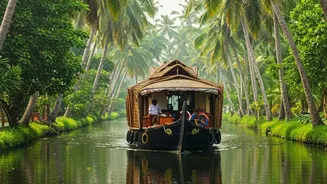
While classic monsoon destinations remain popular, the demand is widespread. In Kerala, Wayanad has seen a staggering 160% increase in hotel bookings, with Alleppey's backwaters also seeing a 145% jump. Goa, far from being just a winter destination, saw hotel bookings grow by over 110%. Hill stations like Kodaikanal and Ooty reported booking increases of over 70%. Even destinations in Rajasthan are benefiting, with Udaipur, the 'City of Lakes', seeing a significant rise in visitors who come to see its palaces and lakes against dramatic monsoon skies. The trend is clear: whether it’s the Western Ghats, the Himalayan foothills, or the coasts, travellers are chasing the rain, and these spots are filling up faster than ever.
Your New Monsoon Travel Playbook
So, how do you navigate this new reality? The key is to plan ahead. For popular destinations, especially for weekend travel, booking flights and accommodation at least a month in advance is the new norm. If you crave spontaneity, the trick is to be flexible. Consider travelling on weekdays, which often come with better availability and prices. Alternatively, explore more offbeat destinations that haven't yet hit the mainstream monsoon circuit. Places like Sakleshpur in Karnataka or the quieter plantation stays in Tamil Nadu's Valparai can offer the same lush experience with fewer crowds. Always check weather forecasts and road conditions before you leave, and pack for the weather with quick-drying clothes and waterproof gear. Embracing this prepared approach ensures you can still enjoy the magic of the monsoon, just with a little less last-minute stress.