







The Search for Flavour Without Sugar
The modern beverage market is defined by a challenge: how to create drinks that are flavourful and exciting without relying on sugar. As health-conscious consumers in India and globally turn away from sugary sodas and juices, a gap has opened for sophisticated,
adult beverages that deliver taste without the calories. Artisanal creators have been on a quest for natural ingredients that provide complexity and inherent sweetness. They need a base that is delicious on its own, not a bitter canvas that requires heaps of sugar to become palatable. This search has led them to the rolling hills of South India.
Nilgiri: The Aromatic Gem of the Western Ghats
Hailing from the Nilgiri Hills, or 'Blue Mountains', of Tamil Nadu and Kerala, Nilgiri tea is one of India's three official tea-growing regions, alongside Assam and Darjeeling. Grown at high altitudes, sometimes up to 8,000 feet, the unique climate with its dual monsoons allows for year-round harvesting. For years, Nilgiri was primarily used in blends and tea bags, often overlooked in favour of its more famous counterparts. However, its distinct character—fragrant, brisk, and exceptionally smooth—is precisely what makes it a star for the low-sugar beverage trend.
Naturally Sweet and Low in Bitterness
The single most important reason for Nilgiri's rise is its flavour profile. Unlike the bold, malty strength of Assam or the delicate, wine-like notes of Darjeeling, Nilgiri tea offers a balanced, natural sweetness with floral and fruity undertones. Crucially, it is naturally low in tannins. Tannins are the compounds responsible for the bitter, astringent, and sometimes dry sensation in other black teas. Because Nilgiri has fewer of them, it remains smooth and mellow, even when steeped for longer periods or brewed cold. This means it provides a pleasant, inherently sweet base that doesn't need sugar to mask harshness.
The Perfect Canvas for Iced Tea and Cold Brew
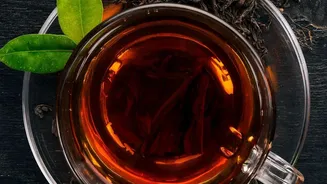
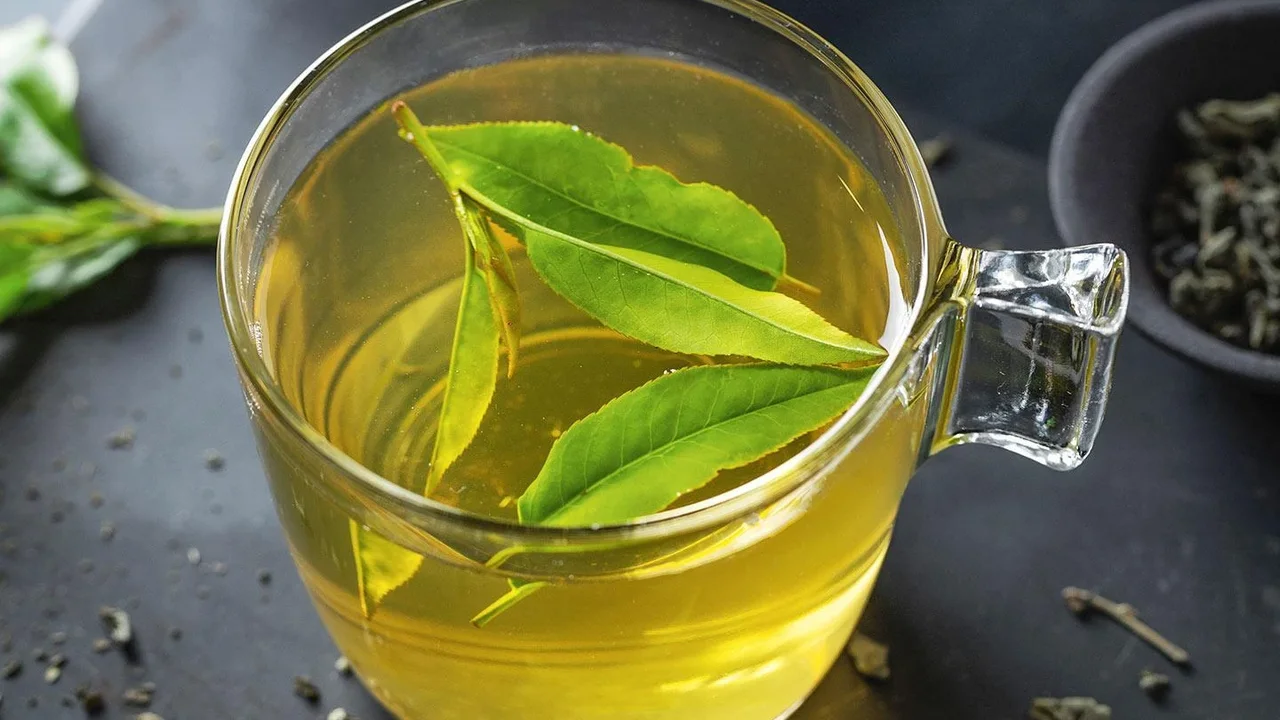
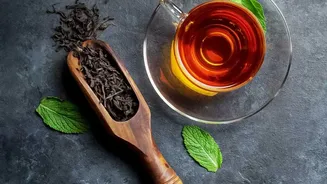
The low-sugar beverage market is dominated by ready-to-drink chilled options. Here, Nilgiri has a distinct technical advantage: it doesn't cloud when cooled. Many black teas, particularly Assam, can turn murky when chilled, which is visually unappealing. Nilgiri tea, however, brews into a bright, clear, golden-yellow liquor that stays brilliant even on ice. This clarity, combined with its lack of bitterness, makes it the ideal candidate for cold brewing. The cold brew process itself is a gentle, slow extraction that pulls out the tea's aromatic compounds while leaving behind even more of the bitter elements. The result is a remarkably smooth, clean-tasting drink that is naturally refreshing without any additions.
A Versatile Base for Creative Blends
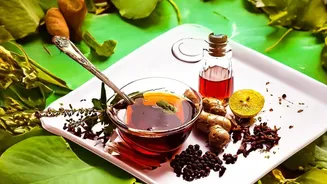
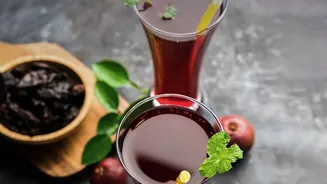
For artisanal brands, Nilgiri tea is a 'blender's dream'. Its balanced, clean profile acts as a perfect foundation that supports other flavours instead of competing with them. Its low astringency allows the delicate notes of fruits, herbs, and spices to shine through. Brands are using this quality to create sophisticated infusions, pairing cold-brewed Nilgiri with native Indian ingredients like hibiscus, ginger, and lemongrass. Because the tea base is already so flavourful, creators can avoid artificial flavourings and focus on high-quality, natural additions, resulting in a layered and complex drink far removed from one-dimensional sugary beverages.