






The Gentle Art of Cold Steeping
First, what exactly is cold steeping? Unlike hot brewing or blending fruit into juice, cold steeping is a slow and gentle process. It involves infusing ingredients like dried fruit rinds or fresh fruit pieces in cold water over several hours, typically
in the refrigerator. The magic of this method is in what it doesn't do. Heat can extract bitter compounds called tannins from ingredients, but a slow, cold infusion results in a smoother, naturally sweeter, and less astringent drink. This gentle extraction also helps preserve some of the delicate compounds and flavours that can be damaged by high temperatures. The result is a vibrant, flavourful drink that often requires little to no added sugar.
Kokum: The Coastal Cooling Agent
Kokum, or Garcinia indica, is a small, purple-red fruit native to India's Western Ghats. For generations, it has been a staple in coastal kitchens, used as a souring agent in curries and as the base for a refreshing sherbet. Its primary appeal lies in its cooling properties, making it a traditional go-to for beating the summer heat and preventing dehydration. Kokum is rich in antioxidants and contains hydroxycitric acid (HCA), which has been studied for its potential role in appetite management. Its distinctly tart and fruity flavour profile makes it a perfect candidate for cold steeping, where its essence can be extracted without needing lots of sugar to balance the taste.
Jamun: The Nutrient-Packed Powerhouse
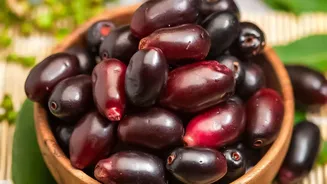
Jamun, also known as black plum or Indian blackberry, is celebrated for its deep purple colour and unique sweet, sour, and slightly astringent taste. Traditionally valued in Ayurveda, jamun is packed with nutrients, including Vitamin C, iron, and antioxidants like anthocyanins, which give the fruit its colour. One of its most noted traditional uses is in managing blood sugar levels, as compounds in the fruit are believed to slow the conversion of starch into sugar. Its natural flavour is complex enough to create a satisfying drink on its own, and its reputation as a wellness ingredient makes it a popular choice for health-conscious consumers.
Why This Trend Makes Sense Now
The return to traditional ingredients like kokum and jamun is part of a larger movement towards natural, recognisable, and functional foods. Consumers are increasingly wary of artificial flavours and excessive sugar in commercial beverages. Cold-steeped drinks featuring these fruits offer a perfect solution: they provide hydration, unique flavours rooted in Indian heritage, and the wellness benefits associated with the fruits themselves. This trend bridges the gap between ancient food wisdom and modern dietary goals, offering a taste of tradition in a format that fits a healthy, contemporary lifestyle.
Your Simple Guide to a Low-Sugar Steep
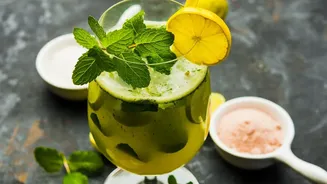
Ready to try it yourself? Making a cold-steeped kokum or jamun drink is incredibly simple. For kokum, take 5-6 dried rinds, rinse them, and place them in a litre of cold water. Let it steep in the refrigerator for 6-8 hours. For jamun, take about a cup of deseeded fruit, lightly mash it, and add it to a litre of cold water. Let this steep for 4-6 hours. After steeping, strain the liquid. You can add a pinch of black salt or some fresh mint leaves for extra flavour. Taste it before adding any sweetener; you might find the natural fruitiness is enough. If you prefer a little sweetness, a small amount of honey is a good option.