
More Than Just Flavour
For years, the conversation around food has been dominated by flavour—salty, sweet, sour, bitter, and umami. But a new hero is emerging in modern kitchens: texture. Also known as ‘mouthfeel’, it’s the way food feels in your mouth. Is it creamy, crunchy,
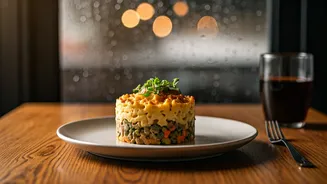
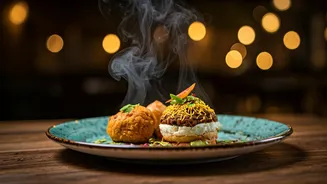
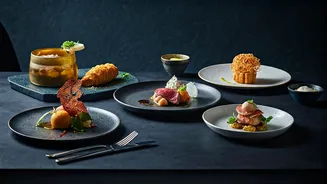
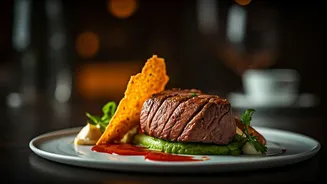
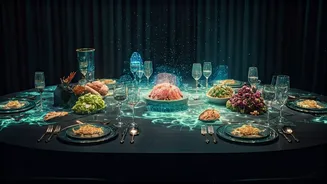
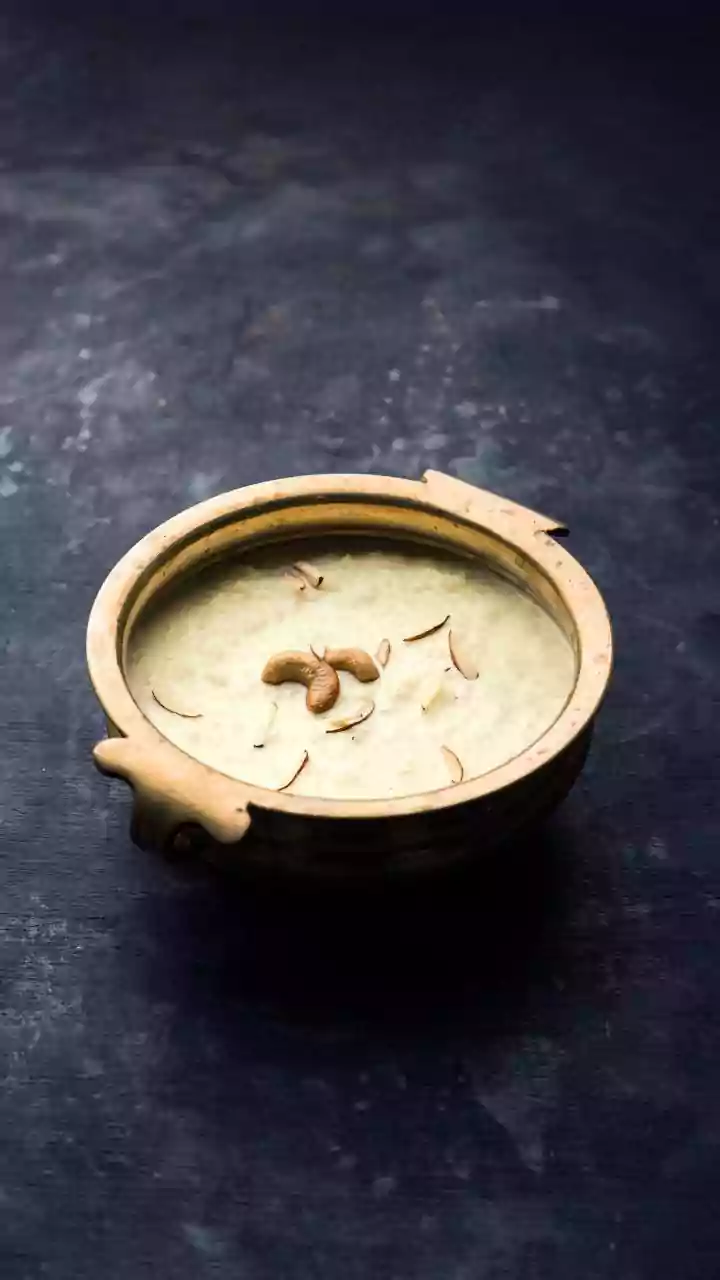
chewy, silky, or crumbly? Today’s most innovative chefs aren't just giving you one of these sensations; they’re layering them. Imagine a silky-smooth pumpkin soup topped with crunchy, roasted seeds. Or a delicate piece of fish served on a bed of creamy risotto with a crispy skin. This deliberate contrast is 'texture play', a culinary technique designed to surprise and delight your palate, making each bite more interesting than the last.
The Science of Satisfaction
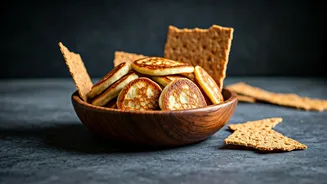
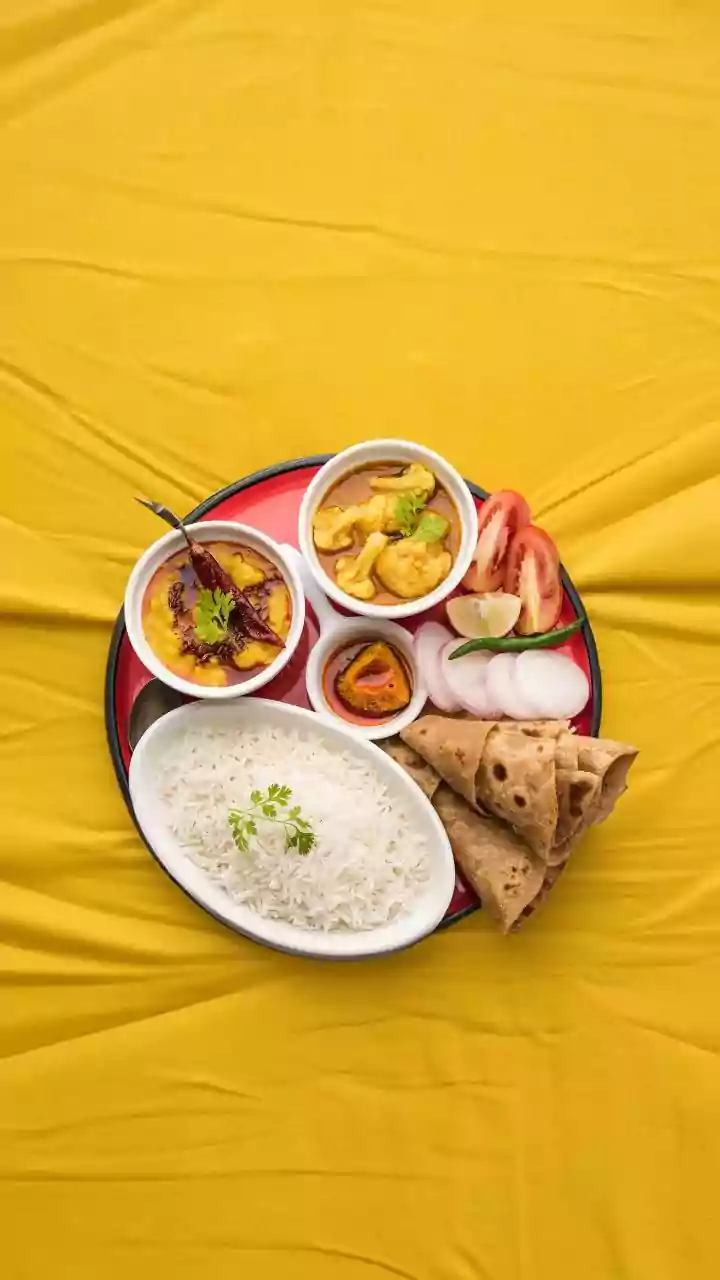
Our love for texture is deeply ingrained in our psychology. The sound of a crunch, for instance, sends signals to our brain that the food is fresh and high-quality. Think about the snap of a fresh salad leaf or the crackle of a papad. Researchers have found that we often perceive crunchy foods as more enjoyable, a phenomenon known as the ‘sonic chip’. On the other hand, creamy textures—like in a dal makhani or a rich cheesecake—are associated with comfort and luxury. By combining these elements, chefs create a dynamic journey in a single dish. The initial crunch gives way to a soft interior, followed by a smooth sauce, keeping our brains engaged and preventing ‘palate fatigue’—that feeling of boredom from eating the same texture over and over.
From Street Stalls to Fine Dining
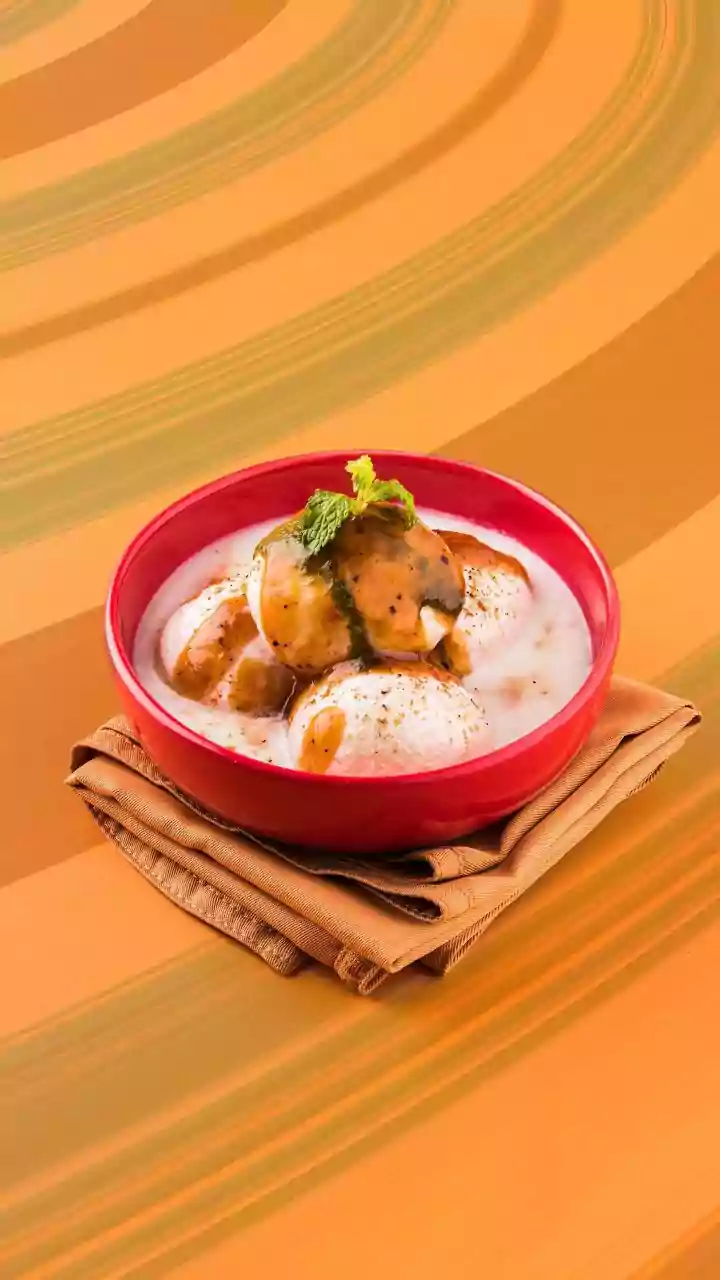
While it may seem like a modern fine-dining trend, texture play has always been the secret soul of Indian street food. Consider the perfect plate of bhel puri: you have the crispiness of the puffed rice and sev, the soft chewiness of the potatoes, the slight crunch of onions, and the wetness of the chutneys. It’s a masterclass in textural harmony. What’s new is how high-end restaurants are adopting and refining this philosophy. Chefs are deconstructing familiar concepts and presenting them in new forms. You might find a dahi bhalla where the yogurt is a light, airy foam, or a kulfi dessert served with a sprinkle of popping candy and a nutty ‘soil’ for a trio of creamy, crackling, and crumbly sensations.
The New Culinary Toolkit
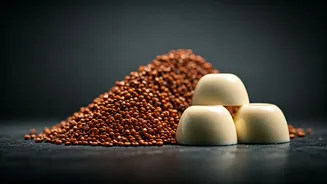
So, what does this look like on a modern menu? The techniques are diverse and creative. You'll see ‘crumbles’ and ‘soils’ (savoury or sweet baked crumbs) sprinkled over everything from salads to desserts for a surprising grit. Crispy elements are everywhere: fried lotus root, crunchy kale, puffed quinoa, and toasted millets are adding crunch to curries and grain bowls. Foams and ‘airs’—ultra-light, flavourful bubbles made using soy lecithin—introduce an ethereal texture that dissolves on the tongue. Even drinks are getting in on the act. The global boba tea craze is a prime example, where chewy tapioca pearls transform a simple iced tea into a fun, textural experience. These elements aren't just garnishes; they are integral components that redefine the dish.
Making Plant-Based Food Irresistible
The rise of texture play is also intrinsically linked to the growing popularity of vegetarian and vegan diets. One of the biggest challenges in plant-based cooking is replicating the satisfying chew and mouthfeel of meat. Chefs are getting creative to solve this. Jackfruit is slow-cooked until it's perfectly stringy and tender, mimicking pulled pork. Tofu is pressed and fried for a crispy exterior and a soft interior. Mushrooms are seared to create a ‘meaty’ bite. By layering these textures with creamy sauces, crunchy nuts, and fresh vegetables, chefs are creating plant-based dishes that are just as satisfying and complex as their non-vegetarian counterparts, proving that a meal doesn’t need meat to be exciting.