






What is Vitamin B12, Anyway?
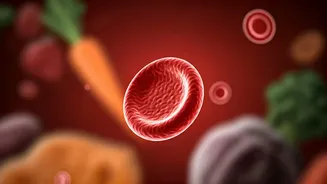
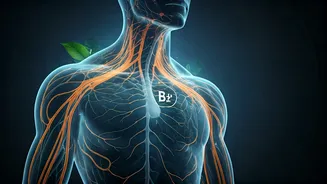
Think of Vitamin B12, or cobalamin, as the body's essential power manager. It’s a crucial nutrient that helps keep your nerve cells and red blood cells healthy. More importantly, it plays a vital role in converting the food you eat into glucose, which
your cells use for energy. It also helps create DNA, the genetic material in all your cells. Without enough B12, your body's ability to produce energy and transport oxygen is impaired, which is why a deficiency often leads to profound fatigue and weakness.
The Great Vegetarian Divide
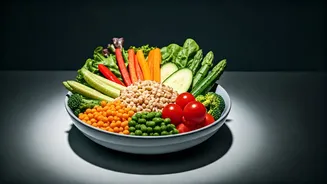
The core of the dilemma is simple: Vitamin B12 is produced by microorganisms and is found almost exclusively in animal products like meat, fish, eggs, and dairy. Plants do not produce B12. For India, which has one of the world's largest vegetarian populations, this creates a unique vulnerability. Studies show that B12 deficiency is widespread among Indian vegetarians, with some estimates suggesting a prevalence as high as 70-80% in certain groups. While dairy products like milk, paneer, and curd do contain B12, the amounts can be insufficient. For instance, a cup of milk provides a good portion of the daily need, but common practices like boiling milk can degrade its B12 content. For vegans who consume no animal products at all, the risk is even higher.
Recognising the Warning Signs
A B12 deficiency often develops gradually over years, as your body uses up its stored reserves. This slow onset means symptoms can be easy to dismiss as stress or aging. The most common sign is a pervasive sense of tiredness and weakness. Other physical symptoms can include a sore tongue or mouth ulcers, pale or yellowish skin, and shortness of breath. Neurologically, a deficiency can manifest as 'pins and needles' or numbness in the hands and feet, difficulty with balance, memory problems, and mood changes. If these signs feel familiar, it may be time to investigate your B12 levels.
Bridging the Gap: Food First
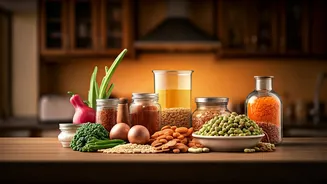
For vegetarians, the first line of defence is to maximize B12 from available sources. Dairy products are the most reliable option in a traditional Indian diet. Curd (yoghurt), milk, and cheese, particularly Swiss cheese, are good sources. Paneer is another excellent, protein-rich choice that contributes to B12 intake. Beyond dairy, fortified foods are a modern vegetarian's best friend. Many breakfast cereals, plant-based milks (like soy and almond), and nutritional yeast are now fortified with B12. Nutritional yeast offers a cheesy, nutty flavour and can be sprinkled over dishes. Some mushrooms, like shiitake, may also contain small amounts of B12.
The Case for Supplements
For many vegetarians and all vegans, dietary sources alone may not be enough to maintain healthy B12 levels. This is where supplements become essential. Vitamin B12 supplements are safe, effective, and widely available. They typically come in two main forms: cyanocobalamin and methylcobalamin. Cyanocobalamin is a stable, synthetic form that is cost-effective and commonly used in fortified foods and supplements. Methylcobalamin is a naturally occurring, active form that the body can use immediately without conversion. While research shows both forms are effective at correcting a deficiency, some studies suggest methylcobalamin is retained better by the body. Consulting a doctor can help you determine the right form and dosage for your specific needs.