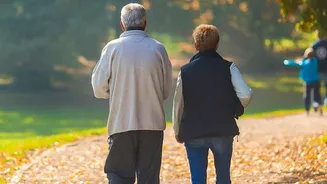







In the relentless pace of modern Indian life, finding time for fitness can feel like a losing battle. Yet, a simple, powerful trend is emerging as cities quiet down: the evening walk. But why has this humble habit won over so many?
Escaping the Morning Mayhem
For many urban Indians,
the idea of a serene morning workout is a myth. The reality is often a frantic rush of preparing for the day, navigating long commutes, and handling household responsibilities. A study on urban Indian fitness habits revealed that lack of time is a primary barrier to exercise, with hectic schedules being a consistent challenge. The evening walk sidesteps this chaos. It doesn't compete with school drop-offs or the first meeting of the day. Instead, it offers a dedicated slot after professional duties are done, making it a more realistic and sustainable option for those juggling demanding careers and family life.
A Ritual to De-Stress and Disconnect
The workday is over, but the mental chatter often continues. An evening walk serves as a crucial buffer between 'work you' and 'home you'. The simple, rhythmic act of walking helps lower cortisol, the body's primary stress hormone. It provides a gentle way to process the day's events, interrupt anxious thought patterns, and disconnect from the endless cycle of screen time. This moving meditation helps clear the mind, boosts mood by releasing endorphins, and prepares the body and mind for a restful evening, making you more present for yourself and your family.
Navigating Environmental Realities
While evenings bring their own traffic and pollution, in many Indian cities, the air quality can paradoxically be worse in the early morning. This is due to a phenomenon called temperature inversion, where cooler air traps pollutants close to the ground, especially during winter months. As the day progresses and temperatures rise, these pollutants often disperse. Combined with often cooler and less humid evening temperatures compared to the peak of the day, a post-dinner stroll can feel more comfortable and, in some cases, be a healthier choice than a dawn jog through peak morning pollution.
Fitness as a Social Affair
Unlike a solitary gym session, an evening walk is often a communal activity. It's a time to catch up with a spouse, walk alongside children, or chat with neighbours in the local park or residential complex. This social element is a powerful motivator. Group activities are known to increase accountability and make exercise feel less like a chore and more like a cherished ritual. In an increasingly digital world, this shared, real-world experience fosters a sense of community and connection, strengthening both social bonds and fitness habits.
The Post-Dinner Health Boost
Walking after your last meal of the day comes with its own unique set of physiological perks. A gentle stroll aids digestion by stimulating the stomach and intestines, which can help reduce bloating and discomfort. It also plays a significant role in regulating blood sugar levels by helping muscles absorb glucose from the bloodstream, preventing the sharp spikes and crashes that can follow a meal. Furthermore, a light walk in the evening can improve sleep quality. It helps regulate your internal clock and promotes relaxation, leading to a deeper, more restorative night's rest.