

Expectation: The Northern Lights Are a Guaranteed Show
Many travellers arrive in Finnish Lapland expecting the aurora borealis to perform nightly. The reality is that the Northern Lights are a natural phenomenon, and seeing them requires a trifecta of luck: clear skies, significant solar activity, and darkness.
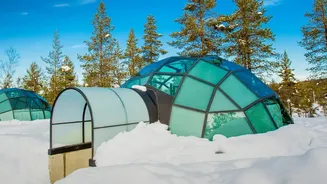
They are most frequently visible in the far north, well away from city lights, during the aurora season from late August to early April. In northern Lapland, they might appear on roughly 200 nights a year, but clouds are the single biggest obstacle. To maximize your chances, plan a trip of at least three to four nights and consider joining a guided tour, as local guides are experts at monitoring weather and finding the best viewing spots.
Expectation: It’s Christmas All Year in Rovaniemi
The Santa Claus Village in Rovaniemi is a real place on the Arctic Circle, open 365 days a year. However, it's less a quaint village and more an open-air complex of shops, restaurants, and activity providers. Entry is free, but nearly every experience, from meeting Santa to reindeer rides, comes at a price. The atmosphere is undeniably magical during the peak Christmas season, with snow and festive lights, but it's also the most crowded and expensive time. Visiting in January or February can offer a better balance of winter charm with fewer crowds and lower prices. While it’s highly commercial, embracing the spirit can be a genuinely fun experience, especially for families.
Expectation: Finns Are Cold and Silent
The stereotype of the quiet, reserved Finn is one of the most persistent. While it's true that Finns value personal space and don't typically engage in small talk with strangers, this reserve is often mistaken for unfriendliness. In Finnish culture, silence is comfortable, not awkward; words are used when there is something meaningful to say. This straightforwardness is rooted in honesty and respect. Once you get to know them, Finns are often warm, loyal, and possess a dry, self-deprecating sense of humour. This quiet determination is part of a core cultural concept known as 'sisu'—a unique blend of resilience, tenacity, and courage in the face of adversity.
Expectation: Every Sauna Is a Loud, Social Party
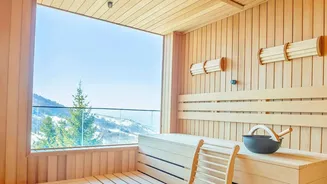
With over three million saunas for a population of 5.6 million, the sauna is a cornerstone of Finnish life. But for Finns, it's less of a party spot and more of a sacred space for quiet reflection, relaxation, and gentle conversation. In 2020, Finland's sauna culture was even added to UNESCO's Intangible Cultural Heritage list. The etiquette is simple and based on respect: shower before entering, sit on a towel, keep your voice low, and ask others before throwing water ('löyly') on the hot stones. The experience isn't an endurance test; the cycle of heating up, cooling down, and rehydrating is meant to be enjoyed at your own pace.
Expectation: It’s Prohibitively Expensive
Finland, like its Nordic neighbours, has a reputation for being pricey, and it's true that dining out, alcohol, and organised tours can be expensive. However, a trip to Finland doesn't have to break the bank. With smart planning, travel can be comparable in cost to other Western European countries like Germany or Spain. Budget-conscious travellers can save by staying in hostels, cooking their own meals, taking advantage of 'lounas' lunch specials, and enjoying the abundant nature, which is largely free to access thanks to 'Everyman’s Right'—the right to roam freely in nature.
Expectation: A Vast, Untouched Wilderness
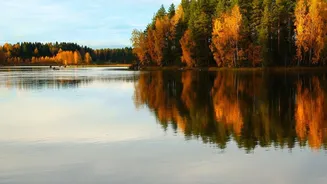
Finland is famous for its pristine forests and 188,000 lakes. The principle of 'Everyman's Right' (Jokaisenoikeus) grants everyone, including visitors, the freedom to walk, ski, camp temporarily, and forage for berries and mushrooms, regardless of who owns the land. This makes the stunning nature incredibly accessible. However, this right comes with responsibilities: you must not disturb wildlife, damage property, or leave litter behind. It's also important to remember that Finland is a highly modern and technologically advanced nation. You will find clean cities, excellent public transport, and widespread English proficiency, making independent travel remarkably easy.