




Your First Step: The Free Tourist ETA
Good news for Indian travellers: getting into Sri Lanka is simpler and cheaper than ever. As of May 2026, Indian passport holders are eligible for a free 30-day tourist Electronic Travel Authorization (ETA). While the term "visa-free" is often used, it's
crucial to remember that you must apply for and receive this ETA online before you fly. Arriving without one could lead to complications. The process is straightforward and done through the official government portal. Your passport needs at least six months of validity from your arrival date, and you'll need to show proof of a return ticket and sufficient funds upon entry. The free ETA allows for double entry within the 30-day period, giving you flexibility for your travel plans.
Crafting a Realistic Solo Budget
Sri Lanka is one of the most affordable international destinations for Indians. A comfortable solo trip for 5-7 days can realistically be managed within a budget of ₹35,000 to ₹55,000. This estimate covers flights, accommodation, food, local transport, and basic sightseeing. Flights are often the biggest expense, but booking a few weeks in advance from cities like Chennai or Bangalore can secure return fares for as low as ₹12,000–₹18,000. On the ground, costs are very manageable. A daily budget of ₹1,500–₹2,000 can comfortably cover a hostel dorm or a budget guesthouse (₹800–₹1,200), local meals (₹400–₹600), and transport.
Smart Stays: Hostels and Guesthouses
For solo travellers, Sri Lanka's growing network of hostels and guesthouses is a blessing. Not only are they affordable, but they are also fantastic places to meet fellow travellers. Popular spots like Ella, Mirissa, and Kandy have a thriving hostel culture. A dorm bed can cost as little as ₹600–₹1,000 per night, while a private room in a guesthouse might range from ₹1,500 to ₹4,000. Negombo, being close to the airport, is an excellent choice for your first or last night, with many budget-friendly options that are used to catering to travellers on the move. Always check recent reviews for safety and cleanliness before booking.
Getting Around: Trains, Buses, and Tuk-Tuks
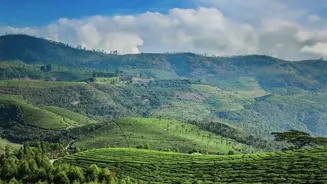
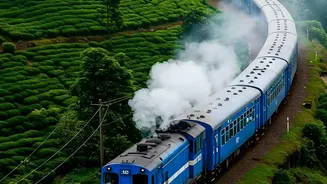
Sri Lanka's public transport system is an adventure in itself and is incredibly budget-friendly. The train network, especially the routes through the hill country from Kandy to Ella, is world-famous for its scenic beauty and should not be missed. These train rides are not just a means of transport but a core travel experience. For routes not covered by trains, public and private buses are the backbone of the country's transport, connecting almost every town and village for very low fares. For shorter distances within towns and cities, the ubiquitous tuk-tuk is your go-to option. Using ride-hailing apps where available can help in getting a fair price.
Top Solo Travel Destinations
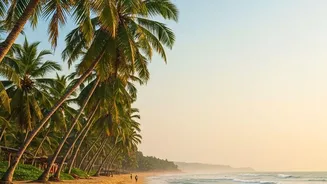
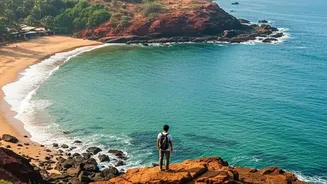
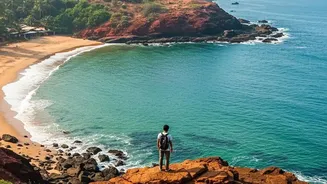
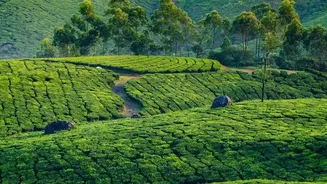
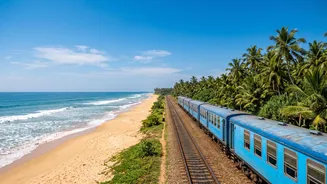
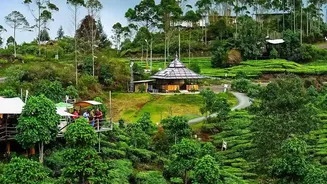
Sri Lanka offers a diverse range of experiences in a compact area. For a solo traveller, a great itinerary could include the cultural hub of Kandy, home to the Temple of the Tooth. From there, take the scenic train to Ella, a backpacker-friendly town nestled in the hills, perfect for hiking Little Adam's Peak and visiting the Nine Arch Bridge. Head south to the coast to places like Mirissa or Weligama for beaches, surfing, and a relaxed vibe. These coastal towns are well-equipped for tourists and solo travellers, with plenty of cafes, hostels, and activities. For history buffs, the ancient city of Sigiriya, with its iconic rock fortress, is a must-see.
Safety and Cultural Etiquette
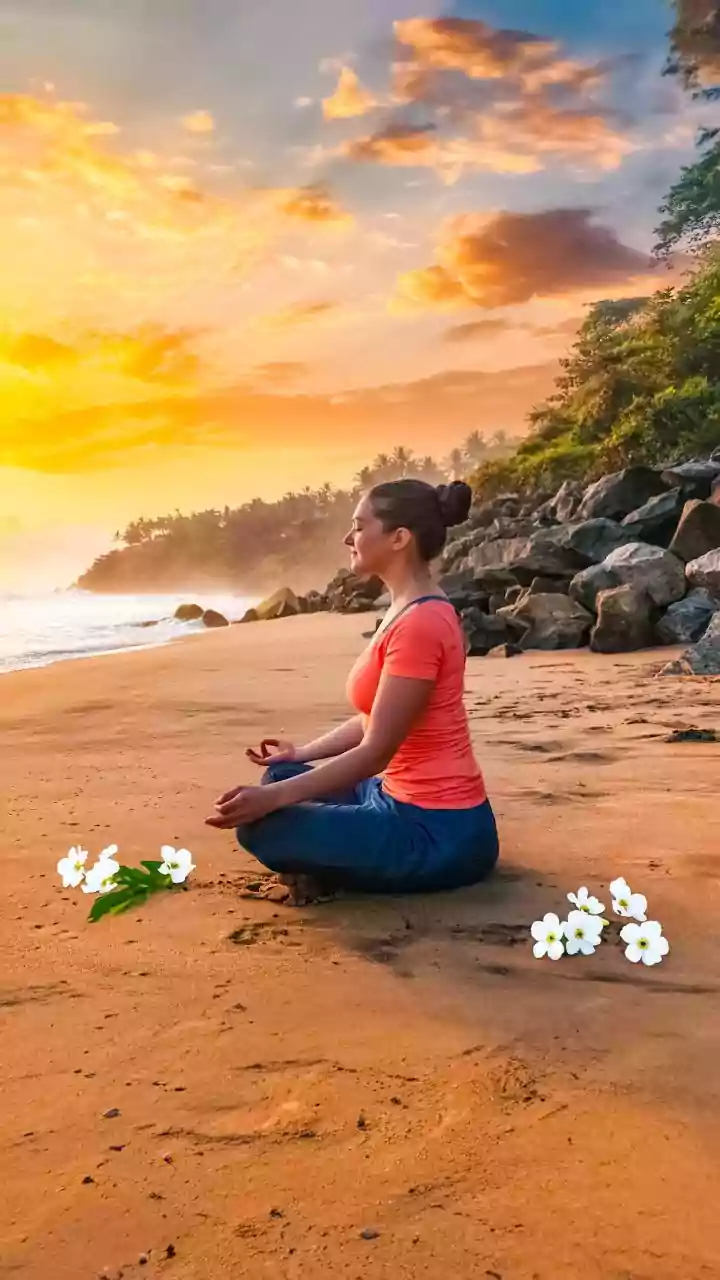
Sri Lanka is generally considered safe for solo travellers, including women, but standard precautions apply. It's wise to avoid isolated areas after dark, be mindful of your belongings in crowded places, and share your itinerary with someone back home. When it comes to cultural norms, dressing modestly is recommended, especially when visiting temples and religious sites. Carrying a sarong or scarf is a practical way to ensure you're always prepared. While most locals are incredibly friendly and welcoming, unwanted attention can occur. A firm but polite 'no' and moving away is usually effective. Trusting your instincts is your best guide for a smooth and safe journey.