





The New Reality of Holiday Travel
If it feels like booking a holiday trip has become a competitive sport, you’re not wrong. The Indian travel landscape has shifted dramatically. A surge in domestic tourism, coupled with a trend of taking multiple short breaks throughout the year, means
demand is consistently high. Data from early 2026 already showed a massive spike in family and luxury travel, with hotel bookings up by over 80% and flight bookings rising significantly. This isn't just about the major festivals anymore. Long weekends and regional holidays now trigger booking frenzies that fill up hotels and transport weeks, or even months, in advance. This increased demand is making once-quiet periods busy, turning every holiday into a peak season.
Your Holiday Calendar and Action Plan
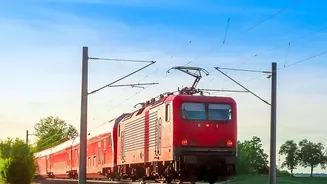
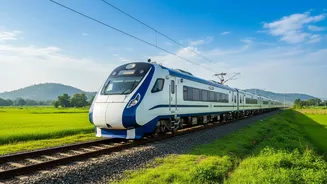
The second half of 2026 is packed with travel opportunities, which means competition is fierce. The season kicks off with Ganesh Chaturthi, moves through Dussehra, and hits a major peak during Diwali (the main day is November 8, 2026). This is followed by the year-end rush for Christmas and New Year's. For popular Diwali flight routes, experts recommend booking as early as 19 or 20 weeks in advance. For trains, the window is smaller but just as competitive. Indian Railways now operates on a 60-day advance booking rule for most trains, a change from the previous 120 days. This shortened window means that when reservations open—usually at 8:00 AM—tickets for popular routes sell out in minutes. Mark your calendar not just for the festival, but for the day bookings open.
The Strategic Guide to Booking Transport
Securing transport requires a clear strategy. For trains, your best bet is to log into the IRCTC portal on the very first day tickets become available for your date. If you miss the initial booking, don't despair entirely. Keep an eye on the Tatkal quota, which opens one day before the journey, though it is more expensive and uncertain. For flights, flexibility is your greatest asset. Flying on the day of a major festival, like Diwali itself, can sometimes be cheaper as most people travel beforehand. Using price alert tools on booking platforms can notify you of fare drops. Consider flying into a nearby, less busy airport and completing the journey by road. Booking midweek flights can also sometimes yield lower fares.
Securing Your Stay Without the Stress
Just like transport, accommodation in popular destinations is vanishing faster than ever. Reports from the end of last year indicated that New Year hotel tariffs for 2026 were expected to be 10-20% higher due to strong demand. The trend is clear: people are booking earlier and spending more, with a notable surge in demand for luxury and boutique hotels. To get ahead, book your hotel right after you book your transport. If your first-choice hotel is full, look at professionally managed homestays or villas, which are becoming a popular alternative. Expanding your search to neighbourhoods just outside the central tourist hub can also reveal hidden gems with more availability and better prices. For the best rates and availability, booking well in advance is the only reliable strategy.
Thinking Outside the Mainstream
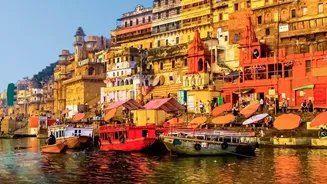
If you find that your preferred destination is already booked solid, it might be time to explore alternatives. Travel data shows a growing interest in Tier II and Tier III cities, as well as offbeat destinations. Places like the Garo Hills in Meghalaya, Phu Quoc in Vietnam, or even culturally rich domestic cities like Lucknow and Varanasi are seeing increased interest. Instead of competing with thousands for a spot in the most popular hill stations, consider a location known for its cultural heritage or natural beauty that is just starting to gain traction. Travelling on the shoulder days—a day or two before the main holiday rush begins or after it ends—can also dramatically improve your chances of finding available transport and lodging at a more reasonable price.