




The Philippines promises postcard-perfect beaches and breathtaking natural wonders. But the secret is out, and the country's most famous spots often come with a hidden price: crowds, high costs, and a feeling of being on a tourist conveyor belt.
El Nido, Palawan: Regulated Beauty
The Promise:
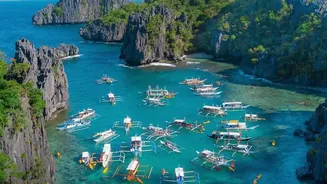
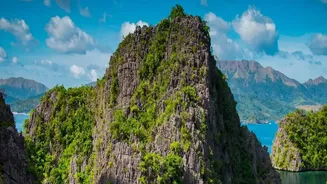
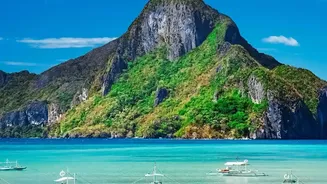
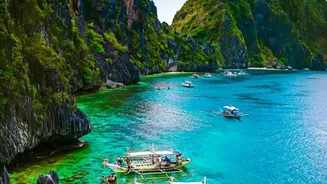
El Nido is the crown jewel of Philippine tourism, famed for its dramatic limestone karsts rising from turquoise waters. Photos of its Big and Small Lagoons are legendary, promising serene kayaking trips through otherworldly landscapes. The Reality: That serenity now comes with a schedule. To protect the environment, access to popular sites like the iconic lagoons is heavily restricted, with daily visitor caps and timed entry slots that must be booked in advance. While this helps manage crowds within the lagoons, the town itself can feel congested, especially during the peak dry season from December to April. The experience can feel less like spontaneous discovery and more like a structured tour. The Trade-Off: You're exchanging freedom for conservation. The lagoons are cleaner and less crowded than they once were, but the cost is a regimented itinerary and the need to plan every major activity. For a calmer experience, consider visiting in the shoulder months of November or May, or staying at a resort outside the chaotic town proper.
Boracay: The Rehabilitated Paradise
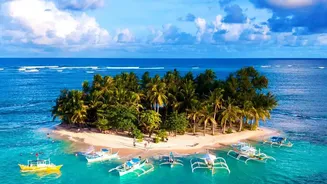
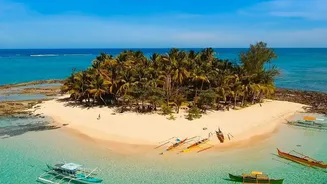
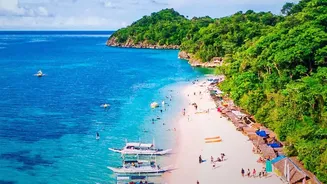
The Promise: A long stretch of powdery white sand, stunning sunsets, and a vibrant atmosphere have long made Boracay a world-famous destination. After a six-month closure and rehabilitation in 2018, it promised a cleaner, more sustainable version of paradise. The Reality: The rehabilitation was a success in many ways; the beach is cleaner and new rules have curbed the out-of-control development that once plagued the island. However, Boracay's popularity has not waned. During holidays and peak season, the island still swells with visitors, primarily domestic tourists. While the chaotic party scene has been toned down, the sheer number of people can still make the famous White Beach feel incredibly busy. High prices for everything from food to accommodation are also a significant factor to consider. The Trade-Off: Boracay now offers a more family-friendly and orderly experience, but it is far from a secluded escape. It's a top-tier beach destination that functions like a well-oiled machine. If you want a party, you might be disappointed. If you want tranquility, you'll need to pay a premium for a resort away from the main stations or visit during the off-season.
Baguio: The Congested Summer Capital
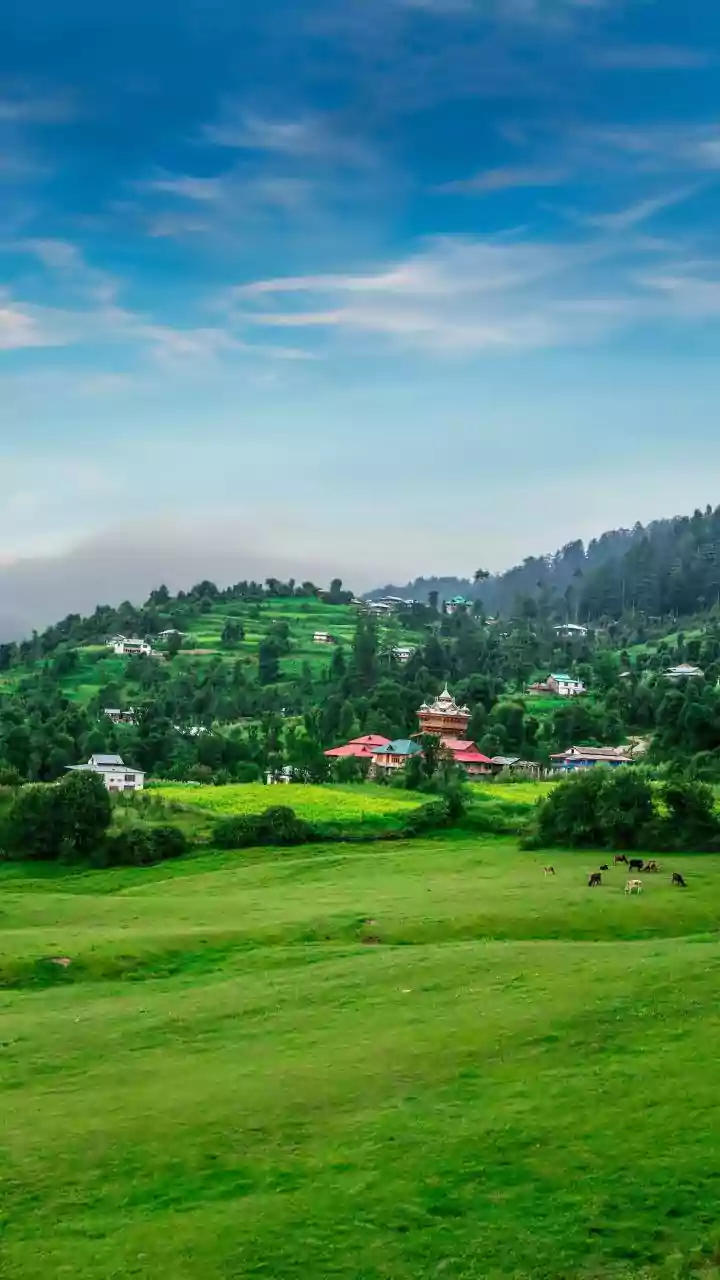
The Promise: A cool mountain retreat to escape the lowland heat, filled with pine trees, cozy cafes, and a unique creative vibe. As the 'Summer Capital of the Philippines', Baguio has been a beloved destination for generations. The Reality: The city is a victim of its own success. Originally designed for a population of around 30,000, Baguio now has over 360,000 residents and welcomes millions of tourists a year. This has led to what some call 'infrastructural suffocation'. Crippling traffic is now a year-round problem, not just a holiday nuisance, with roads designed for 20,000 vehicles now handling over 60,000 registered local cars alone. The cool air is still there, but you might spend hours stuck in traffic to enjoy it. The Trade-Off: You are trading peace and quiet for a bustling city experience. The city's economy depends on tourism, but the visitor volume strains its resources. To enjoy Baguio's charm, strategic timing is essential. Visit on a weekday outside of major holidays, leave Manila in the early hours of the morning, and consider exploring quieter nearby towns like Itogon or staying in less central areas like Camp John Hay.
Oslob, Cebu : The Controversial Whale Shark Encounter
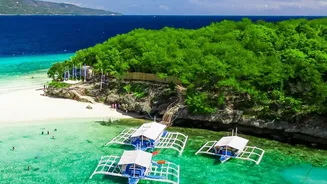
The Promise : A guaranteed , up - close encounter with the largest fish in the sea . In Oslob , local fishermen feed whale sharks , ensuring tourists can swim alongside these gentle giants any day of the year . It ' s an undeniably powerful , ' once - in - a - lifetime ' photo opportunity . The Reality : This practice is highly controversial and deemed unsustainable by many marine biologists and conservation groups . Feeding the whale sharks alters their natural migratory and feeding behaviors . They learn to associate boats with food , making them vulnerable to injury from propellers outside the protected zone . Guidelines for interaction , such as not touching the animals , are frequently broken . The Trade - Off : You are choosing a guaranteed sighting over ethical and natural wildlife interaction . While the tourism provides a local economic boom , it comes at a potential cost to the animals ' well - being . For a more ethical alternative , consider traveling to Donsol in Sorsogon , where whale shark sightings are seasonal and not guaranteed because they occur in a truly wild , natural habitat without feeding .