


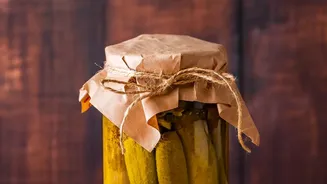
The Pickle We All Know and Love
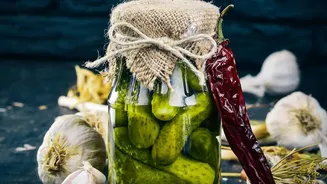
In India, ‘pickle’ almost always means achar—a fiery, flavourful concoction of fruits or vegetables preserved in salt, spices, and a generous amount of oil. From mango and lime to chilli and mixed vegetables, these pickles are a culinary institution.
The primary method here is preservation. The combination of high salt content and a thick layer of oil creates an environment where most bacteria cannot survive. This process effectively prevents spoilage, allowing the pickle to last for months, even years, developing deeper flavours over time. This method is an ancient and effective way to preserve seasonal produce, but its goal is shelf life, not microbial diversity.
The Alternative: Lacto-Fermentation
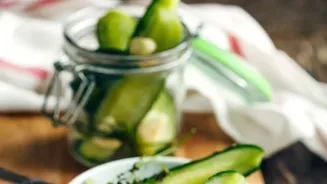
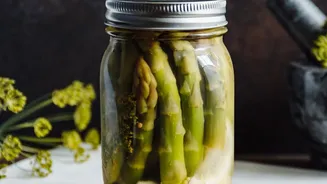
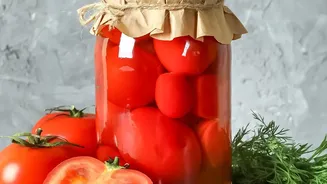
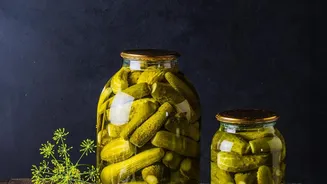
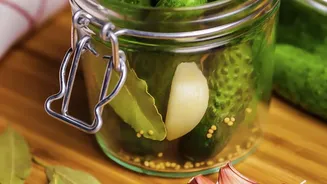
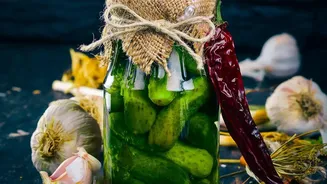
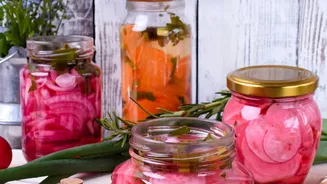
Traditional fermentation, specifically lacto-fermentation, works on a completely different principle. Instead of killing all bacteria, it encourages beneficial ones to thrive. In this process, vegetables are submerged in a brine (a salt and water solution). Naturally present bacteria, primarily from the Lactobacillus family, begin to consume the sugars in the vegetables and convert them into lactic acid. This lactic acid acts as a natural preservative, creating an acidic environment that wards off harmful spoilage bacteria while allowing the good guys to flourish. The result is a pickle that is preserved by a living ecosystem, not just by salt and oil.
The All-Important Probiotic Difference
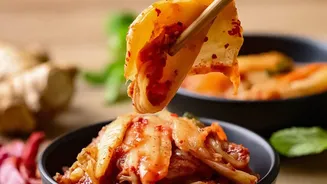
This is where fermentation truly shines for health-conscious dieters. The beneficial bacteria that multiply during lacto-fermentation, like various Lactobacillus strains, are known as probiotics. These live microorganisms are the main event. When you eat naturally fermented foods like sauerkraut, kimchi, or brine-fermented pickles, you are consuming these beneficial microbes. Probiotics are celebrated for their ability to support a healthy gut microbiome, which is linked to improved digestion, a stronger immune system, and even reduced inflammation. Oil-heavy pickling, by contrast, is designed to prevent microbial growth altogether. While some traditionally made Indian achars that undergo a period of fermentation before being submerged in oil can contain some probiotics, many commercially produced and even homemade versions that rely heavily on oil, salt, or added vinegar do not offer these benefits. Quick pickles made with vinegar are also not a source of probiotics.
Beyond the Gut: Nutrient Availability
The benefits of fermentation aren't limited to probiotics. The fermentation process can also make the nutrients within the vegetables more bioavailable. The bacteria help to break down complex compounds in the food, making it easier for our bodies to absorb the vitamins and minerals present. Some studies suggest that fermentation can even create new nutrients, such as B vitamins. While oil-pickled vegetables still retain their nutritional value, the added benefit of enhanced digestibility and nutrient accessibility gives fermented options a distinct advantage for those looking to maximize the health benefits of their food.
A Note on Oil, Salt, and Moderation
Traditional Indian oil pickles are often high in both sodium and fat. While fats from good quality cold-pressed oils like mustard oil can have their own benefits, the sheer quantity can be a concern for those on a calorie-controlled diet. Similarly, the high salt content, essential for preservation, means they should be consumed in moderation, especially for individuals with high blood pressure. Fermented pickles also rely on salt, but the focus is on creating a brine to facilitate bacterial growth rather than using it as the sole preservative. The key takeaway is not to demonize the beloved achar, but to be mindful of its composition and portion size.