


The Green Thumb’s New Gadget
Imagine knowing the precise moment your potted tulsi is thirsty or when your bougainvillea has had enough to drink. This is the promise of smart soil sensors, small devices that are rapidly becoming essential tools for city dwellers with a passion for plants.
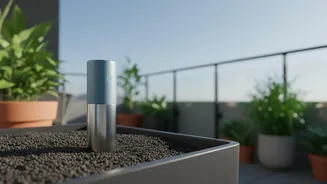
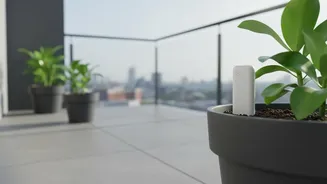
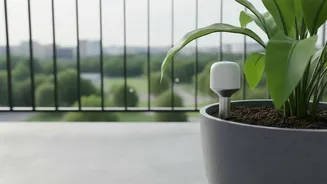
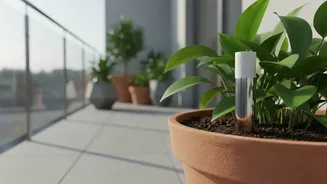
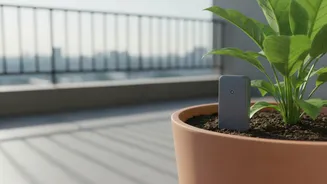
These aren't your grandfather's simple moisture meters. We're talking about sophisticated, 'micro-engineered' probes you place directly into the soil of your pots. They connect wirelessly to an app on your smartphone, transforming your balcony into a smart garden. This technology, once reserved for large-scale agriculture, is now compact, affordable, and perfectly suited for the unique challenges of container gardening in urban Indian homes.
Science in the Soil
So, how does this magic work? The most common and durable types use what's known as capacitive sensing. The sensor has two plates or traces on its probe. When placed in soil, the soil itself acts as the medium between them. The sensor sends a tiny, harmless electrical charge and measures how the soil affects this charge. Since water content directly impacts the soil's ability to store a charge (its capacitance), the sensor can calculate the volumetric water content with impressive accuracy. Dry soil and wet soil give very different readings. The device then translates this data into a simple moisture percentage, sending it straight to your phone. It’s a bit like giving your plants a voice, allowing them to tell you exactly what they need, when they need it.
Beyond Just Water Levels
While moisture is the main event, many advanced sensors offer a more holistic view of your plant's environment. Some models also measure soil temperature, ambient light levels, and even humidity. A few can even give an indication of soil fertility or salinity, helping you decide when it's time to add nutrients. This is crucial for balcony gardens, where conditions can be extreme. A sun-baked pot on a west-facing balcony can experience rapid temperature swings and moisture loss that are hard to gauge by just looking. By collecting multiple data points, these sensors provide a complete picture of your plant's living conditions, empowering you to create the perfect micro-environment for it to thrive.
Real-Time Alerts, Real-World Benefits
The true game-changer is the real-time alert system. Instead of sticking a finger in the soil and guessing, you receive a notification on your phone: "Your hibiscus plant is dry," or "Soil moisture is optimal." This simple feature solves the two biggest killers of potted plants: over-watering and under-watering. Over-watering is a common mistake that leads to root rot, a silent killer for container plants. With precise data, you only water when necessary, conserving water and protecting your plants' roots. For busy professionals or frequent travellers, this technology offers peace of mind. You can monitor your green companions from the office or while on holiday, ensuring they are never neglected.
Choosing Your Smart Soil Assistant
As the market for smart gardening grows, so do your options. When choosing a sensor, consider a few key factors. First, check its connectivity—most use Bluetooth or WiFi to sync with your phone. A WiFi model allows you to check in from anywhere, not just when you're at home. Battery life is another important consideration; some models can last over a year on a single battery. Also, look at the probe length to ensure it's suitable for the size of your pots. Finally, explore the companion app. A good app should be user-friendly, providing clear data, historical graphs, and perhaps even a library of care tips for different plant species.