




The Rise and Fall of the Fad
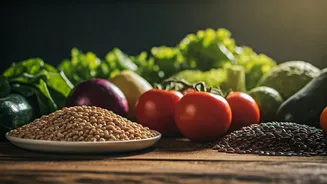
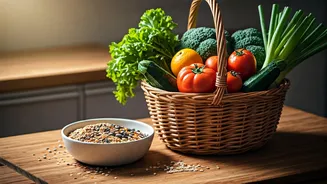
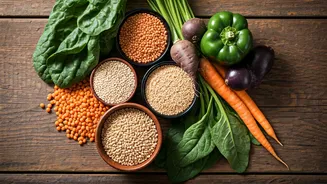
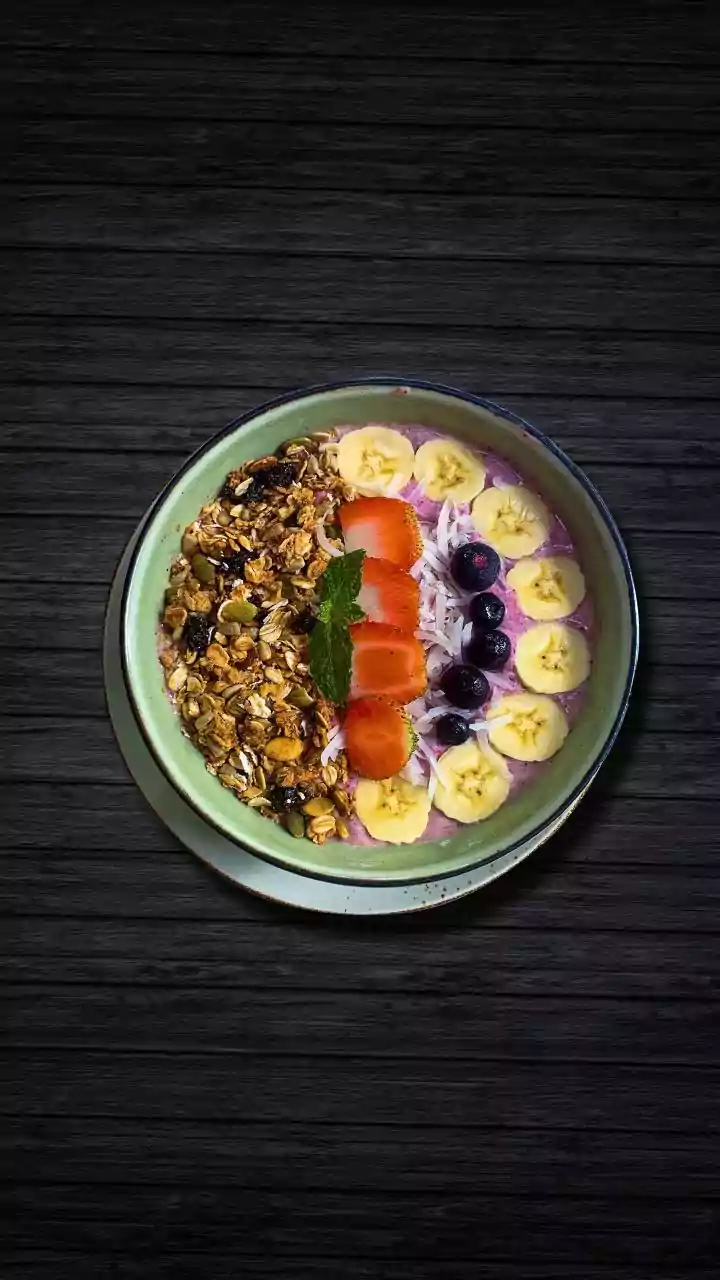
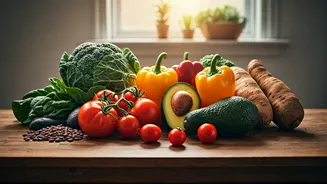
Remember the buzz? Suddenly, avocados, quinoa, and kale were the heroes of health, while our familiar dal, rice, and even ghee were cast as villains. Imported diet fads like the ketogenic diet, with its high-fat, low-carb mandate, or the Paleo diet, harking
back to a hunter-gatherer menu, swept through urban India. They were aspirational, promoted by global celebrities, and promised rapid weight loss. For a time, it seemed like the path to wellness was paved with expensive, imported ingredients and a complex set of rules that often stood in stark contrast to the rhythms of an Indian kitchen.
A Cultural and Practical Mismatch
The problem, as many soon discovered, is that these diets were not designed for the Indian body, plate, or lifestyle. A diet that demonizes lentils and grains is difficult to sustain in a country where dal and roti are dietary and cultural staples. For a largely vegetarian population, the high-protein demands of these plans often translated into an over-reliance on paneer and expensive protein powders, ignoring the rich biodiversity of plant-based protein found in Indian cuisine. Furthermore, these diets can be incredibly isolating. They make it impossible to enjoy festive meals, family dinners, and the simple, communal joy of sharing food that is so central to Indian culture. The cost, both financial and social, began to outweigh the promised benefits.
The Science of the Indian Thali
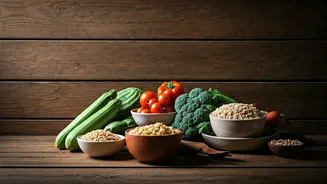
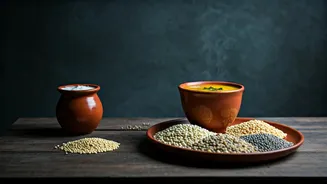
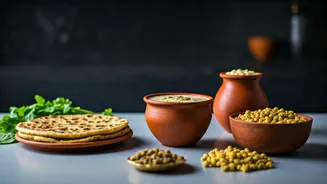
As the glamour of Western fads faded, attention turned back to a familiar hero: the Indian thali. Far from being a random assortment of dishes, a traditional thali is a masterclass in nutritional science. It offers a perfect balance of macronutrients: carbohydrates from rice or roti, protein from dal or curds, healthy fats from ghee, and a wealth of vitamins, minerals, and fibre from cooked vegetables (sabzi) and raw salads. This combination ensures a low glycemic index, promoting satiety and stable blood sugar. It’s a complete meal that nourishes the gut microbiome with its diversity of ingredients, something modern science is only now confirming as a cornerstone of long-term health. It doesn't require a rulebook because the wisdom is built right into its structure.
Rediscovering Ancestral Wisdom
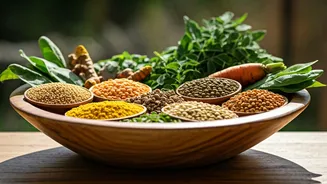
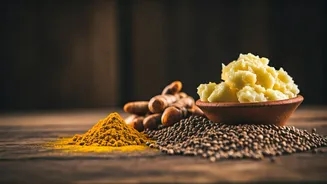
This movement is more than just a dietary shift; it's a cultural reawakening. Nutritionists and wellness experts are championing the return to what our grandparents always knew. Ghee, once blacklisted as fattening, is now celebrated for its healthy fats and digestive properties. Millets like jowar, bajra, and ragi, once dismissed as “coarse grains,” are being lauded as superfoods rich in fibre and nutrients. Even the simple act of eating local, seasonal produce—a core tenet of Ayurveda—is being recognized as the most sustainable and effective path to health. This isn't about nostalgia; it's about acknowledging that our own food systems contain a deep, time-tested wisdom that is perfectly tailored to our environment and our genetics.