




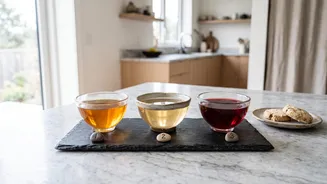
The Principles of Perfect Pairing
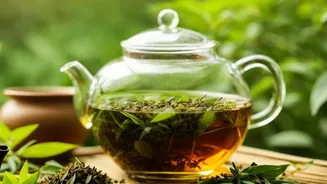
Like pairing wine with food, matching tea with snacks is an art that balances flavour and intensity. The first rule is to match the strength of the tea with the weight of the food. A delicate white tea would be lost against a heavy, spiced snack, while
a robust black tea can stand up to rich flavours. The second principle involves choosing complementary or contrasting profiles. A complementary pairing enhances similar notes, like a lemon cake with a citrusy herbal tea. A contrasting pairing creates a pleasant balance, such as a slightly bitter green tea cutting through the richness of a creamy pastry. The goal is to create harmony where both the tea and the food shine without one overpowering the other.
Bold Black Teas: Assam, Darjeeling, and Masala Chai
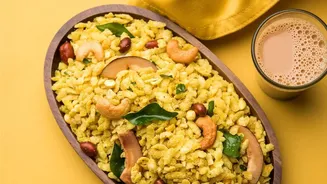
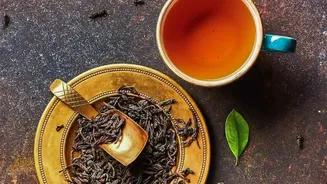
Black teas are robust, malty, and sometimes astringent, making them ideal partners for substantial vegetarian snacks. For classic Indian black teas like a strong Assam or a complex Darjeeling, consider equally flavourful bites. Spiced potato samosas, crispy bread pakora, or savoury dhokla are excellent choices that complement the tea's strength. If you are serving a fragrant masala chai, the aromatic spices in the tea pair wonderfully with flaky mathri, chivda, or even a sweet and spicy slice of carrot cake. For a more English-style service, mini vegetable quiches or rich chocolate desserts stand up well to a bold black tea.
Earthy Green Teas: Sencha and Matcha
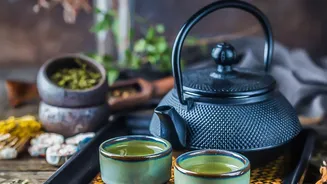
Green tea has a more delicate, earthy, and sometimes grassy flavour profile that calls for lighter accompaniments. Its fresh notes pair beautifully with mild and clean-tasting vegetarian dishes. Classic cucumber and cream cheese sandwiches, with or without mint and dill, are a perfect match. Lightly salted edamame, fresh spring rolls with a gentle dipping sauce, or plain rice crackers allow the nuances of the green tea to come forward. For those who enjoy Japanese green teas like Sencha, consider pairing them with vegetable sushi or steamed greens to complement their umami character.
Delicate White and Oolong Teas
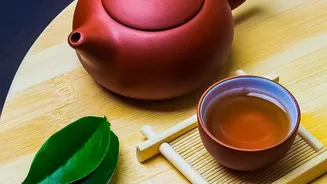
White tea is the most delicate of all teas, with subtle, sweet, and floral notes. It should be paired with the lightest of snacks to avoid overwhelming its flavour. Simple scones with a mild jam, unsalted nuts, or a light panna cotta are excellent choices. Oolong teas exist on a wide spectrum, from light and floral to dark and smoky. Lighter oolongs pair well with fruity desserts and herby dishes. For a darker, more complex oolong, you could try pairing them with savoury items like mushroom tikkis or a slice of paneer toast.
Herbal Tisanes: Chamomile, Mint, and Rooibos
Technically herbal infusions or 'tisanes', these caffeine-free options are incredibly versatile. Floral and fruity herbals like chamomile or hibiscus pair well with citrus-flavoured desserts, such as lemon tarts or orange-infused cakes. Peppermint tea is a natural fit for chocolate-flavoured snacks or sandwiches with mint chutney. A soothing cup of chamomile is lovely with honey-drizzled treats or soft cheeses like brie. The naturally sweet and nutty profile of rooibos, or red tea, is a wonderful match for spiced cookies like ginger snaps or a wholesome granola bar.
Building a Balanced Vegetarian Tea Menu
When planning your menu, aim for a balanced selection of sweet and savoury items. Offer a variety of textures: something crispy, something creamy, and something soft. Classic finger sandwiches are a must, and you can get creative with Indian-inspired fillings like beetroot raita, spiced chickpea, or paneer with chutney. A platter could include a mix of traditional favourites like samosas alongside lighter options like cucumber sandwiches and fruit tarts. This ensures there is something for every palate and creates a visually appealing spread that invites guests to explore different pairings.