




The Science of Comfort Cravings
There’s a scientific reason why a downpour makes you want to reach for something hot and sweet. The damp, gloomy weather and reduced sunlight can cause a dip in our serotonin levels, the brain's 'feel-good' chemical that also helps regulate appetite.
[5, 13] This drop can trigger cravings for carbohydrate-rich and sugary foods, as they help the brain produce more serotonin, offering a temporary mood boost. [3, 4] It’s a biological instinct; our bodies seek energy and warmth to counteract the chill in the air. [3, 22] The contrast between the cool, humid surroundings and a hot, rich dessert feels deeply satisfying. [6, 19] We're not just being indulgent; we're responding to a genuine signal from our bodies for comfort and warmth. [3, 8]
The Timeless Allure of Jalebi
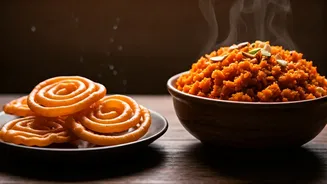
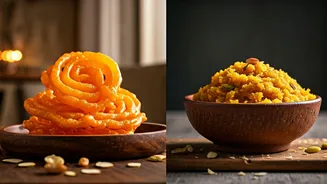
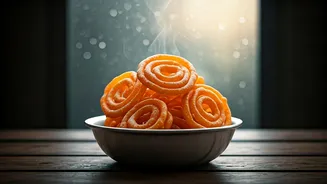
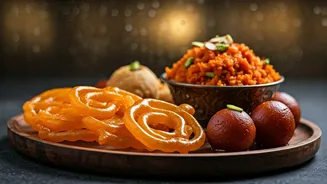
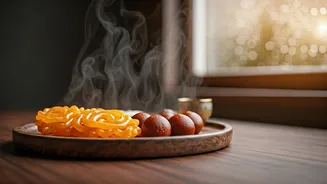
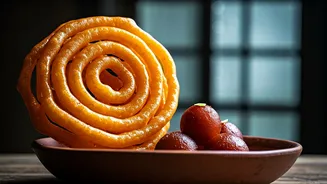
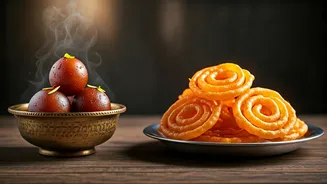
Few things capture the monsoon mood better than a plate of hot, crispy jalebis. These vibrant orange spirals, deep-fried and then soaked in sugar syrup, are a sensory delight. [15] The combination of a crunchy exterior giving way to a juicy, syrup-filled centre is irresistible, especially when paired with the rhythm of the rain outside. [11] While jalebi is a beloved Indian staple, its origins trace back to Persia, where it was known as 'zulbiya'. [16, 18, 20] It travelled to India with traders and artisans and was wholeheartedly adopted into our culture by the 15th century, becoming a fixture at festivals and celebrations. [16, 21] Paired with rabri or simply enjoyed on its own, hot jalebi on a rainy day feels less like a snack and more like an experience. [11, 12]
Classic Comforts: Gulab Jamun and Malpua
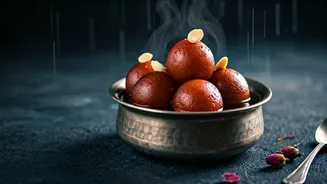
When it comes to monsoon indulgence, Gulab Jamun is a crowd favourite. [9] These soft, spongy balls, traditionally made from khoya, are fried to a perfect golden-brown and then dunked in a warm, fragrant sugar syrup. [12] The rich, milky texture that melts in your mouth makes them a heavenly treat on a rainy day. [15] Another classic is the malpua, India’s answer to the pancake. [12] These soft, fluffy discs are deep-fried in ghee, dipped in syrup, and often flavoured with cardamom or fennel. [15] Typically served warm, sometimes with a dollop of rabri, malpuas are like a warm hug in dessert form, particularly popular across Bengal, Odisha, and Bihar. [12, 11]
Gajar ka Halwa: A Treat For All Seasons
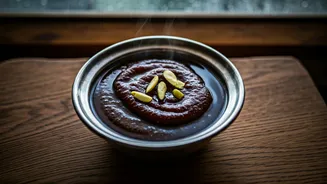
Though traditionally considered a winter dessert, Gajar ka Halwa has firmly established itself as a monsoon comfort food. [15, 11] This classic pudding is made by slow-cooking grated carrots with milk, sugar, and ghee until it reaches a rich, creamy consistency, garnished with nuts and raisins. [28, 25] The warmth and homely flavours it offers are a perfect fit for a cosy afternoon spent watching the rain. [15] The generous use of ghee provides warmth and energy, making it an excellent choice for damp weather. [11] Served hot, this halwa isn't just a dessert; it's a bowl of pure, unadulterated comfort that transcends seasons. [26, 27]
A Taste of Nostalgia and Tradition
Beyond the science, our monsoon cravings are deeply tied to memory and tradition. [4, 8] These sweets are often linked to cherished childhood moments, family gatherings, and the feeling of being cared for. [14] The aroma of ghee, the sound of sizzling batter, and the act of sharing a warm treat indoors while it pours outside are powerful sensory triggers. [6] In many Indian households, preparing specific foods during the monsoon is a long-standing ritual, a way to connect with family and embrace the season. [24] These desserts offer more than just flavour; they provide a taste of nostalgia, security, and the simple joy of a shared tradition. [8, 14]