


Picking the Perfect Stretch for Beginners
The Ganges in Rishikesh offers various stretches with rapids graded on a scale from I (easiest) to V (most difficult). For your first time, it's crucial to pick a route that matches your comfort level. The most recommended and safest stretch for beginners
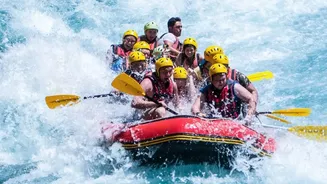
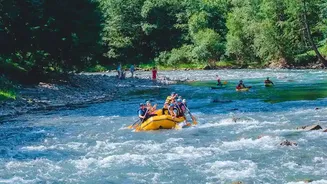
is the Brahmpuri to Rishikesh run. Spanning about 9 km, this route features Grade I and II rapids, which are gentle enough for novices, families, and even non-swimmers to enjoy. Expect a journey of about 1.5 to 2 hours, filled with small, exciting waves and opportunities for a calm float and even body surfing in designated safe zones. Another popular option for beginners who want a bit more thrill is the 16 km stretch from Shivpuri, which includes a mix of Grade II and III rapids and takes around 3 hours.
Understanding Rafting Packages and Costs
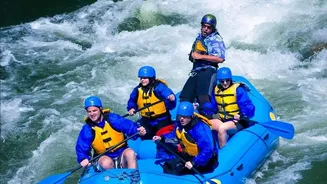
Rafting packages in Rishikesh are generally affordable and offer great value. A standard package for a beginner's stretch typically includes transportation to the starting point, all necessary safety equipment like a life jacket and helmet, a certified guide, and the rafting experience itself. For a 9 km Brahmpuri stretch, prices can range from ₹500 to ₹800 per person. The more adventurous 16 km Shivpuri stretch usually costs between ₹800 and ₹1,200 per person. Many operators also offer packages that bundle rafting with overnight camping, meals, and bonfires, with prices starting around ₹1,600 to ₹1,800 per person. When booking, confirm exactly what is included and avoid operators offering unusually cheap deals, as they may compromise on safety.
The Best Time of Year to Go
Timing your trip is key for the best experience. The ideal rafting season in Rishikesh runs from late September to mid-June. This window is divided into two peak periods. The post-monsoon season, from September to November, offers pleasant weather and ideal water levels. The spring and early summer months, from March to June, are also popular as the weather is warm, making the cool splashes of the Ganges feel refreshing. Rafting is closed during the monsoon season, typically from July to early September, due to dangerously high and unpredictable water levels. While you can raft in the winter (December to February), the water is extremely cold, so ensure your operator provides wetsuits if you choose to go then.
What to Wear on the Water
Dressing correctly is essential for both comfort and safety. The number one rule is to avoid cotton, as it absorbs water, becomes heavy, and makes you cold. Instead, opt for quick-drying synthetic fabrics. For a summer trip, a T-shirt or rash guard paired with board shorts or leggings is perfect. In winter, you'll need a wetsuit, often provided by the operator, possibly with a thermal layer underneath. For footwear, choose secure water shoes, river sandals with straps, or even old sneakers. Do not wear flip-flops, as they will easily get lost in the river. Don't forget waterproof sunscreen and sunglasses with a retainer strap to protect them from falling off.
Choosing a Safe and Certified Operator
Your safety on the river depends almost entirely on the quality of your rafting operator. A reliable operator will be licensed by the Uttarakhand Tourism department and employ certified, experienced guides. Before booking, check for recent online reviews and don't hesitate to ask about their safety procedures. A professional company will provide a thorough safety briefing before you get on the water, explaining paddling commands and what to do if you fall in. They will also provide well-maintained equipment, including properly fitting life jackets (Personal Flotation Devices or PFDs) and helmets, which must be worn at all times on the river.