


More Than a Mountain Getaway
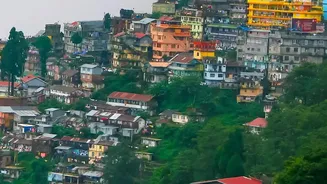
For years, Gangtok has been a beloved tourist destination, offering a clean, peaceful escape into the Eastern Himalayas. But as remote work becomes a permanent fixture for many Indians, the city is transforming into a viable long-term base. The appeal
is simple: why work from a cramped city apartment when you can be surrounded by pristine mountain air, Buddhist monasteries, and a vibrant local culture? It represents a fundamental shift in work-life balance, where productivity is complemented by well-being, and a weekend trek is more accessible than a trip to the mall.
The Digital Lifeline: Connectivity in the Clouds
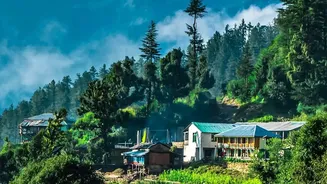
The single most critical factor for any remote worker is internet stability. Historically a challenge in mountain regions, Gangtok has made significant strides. The city now offers reliable fibre internet services, with local providers and major players like Jio and Airtel ensuring decent connectivity. While speeds might fluctuate, many cafes, hotels, and dedicated coworking spaces provide high-speed connections suitable for video calls, large file transfers, and uninterrupted work. Power backup is also becoming standard in professional establishments, mitigating issues from occasional power cuts. For those venturing just outside the city, the nearby village of Yakten was recently named India's first 'Digital Nomad Village', boasting robust Wi-Fi and power systems.
Your Mountain Office: Co-working and Cafes
The city’s infrastructure has evolved to cater to the new wave of professionals. Gangtok is home to several coworking spaces like Sanctorum and MyBranch, which offer dedicated desks, high-speed internet, meeting rooms, and a community of like-minded individuals for a monthly fee. Beyond formal offices, a thriving cafe culture provides plenty of work-friendly spots. Cafes such as Cafe Fiction, The Travel Cafe, and Bakers Cafe are popular choices, known for good coffee, reliable Wi-Fi, and a welcoming atmosphere for those with a laptop. Many are located along the pedestrian-friendly MG Marg, making it easy to find a spot to work for a few hours.
The View from Your Desk: Himalayan Panoramas
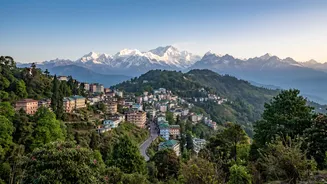
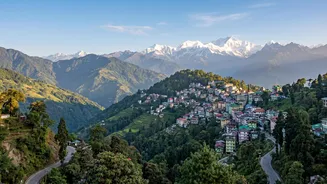
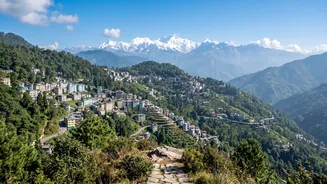
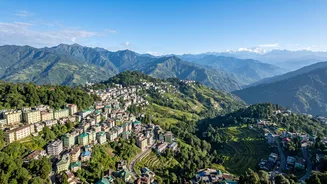
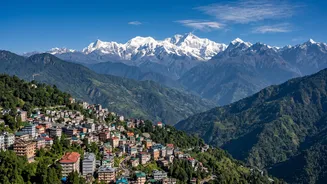
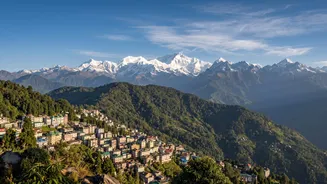
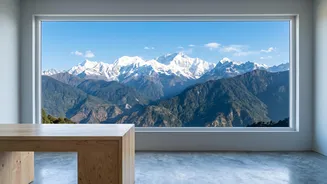
What truly sets Gangtok apart is the scenery. On a clear day, the majestic Kanchenjunga, the world's third-highest peak, dominates the horizon. Designated spots like Tashi View Point and Hanuman Tok are famous for their panoramic sunrises, offering breathtaking views of the entire mountain range. But you don't always need to travel to a viewpoint; many apartments, hotel rooms, and rooftop cafes offer stunning glimpses of the Himalayas. This constant connection to nature provides a calming backdrop to the workday, reducing stress and inspiring creativity in a way no city skyline can.
Life Beyond the Laptop: Exploring Gangtok
When the workday is done, Gangtok offers a wealth of experiences. The vehicle-free MG Marg is the heart of the city, perfect for an evening stroll, shopping, and sampling local cuisine. For spiritual solace, the serene Rumtek and Enchey monasteries are just a short drive away. Adventure seekers can plan weekend trips to the stunning Tsomgo Lake or the historic Nathu La Pass on the Indo-China border. The easy access to nature trails, waterfalls like Banjhakri Falls, and the Himalayan Zoological Park means there's always something to rejuvenate the mind and body after a week of work.
The Cost of Himalayan Calm
Compared to metropolitan hubs like Mumbai, Delhi, or Bengaluru, Gangtok offers a significantly lower cost of living. Rent for a one-bedroom apartment is a fraction of what one would pay in a major city, with some estimates placing it under ₹10,000 per month. Daily expenses on food and transportation are also considerably more affordable, especially if you embrace local markets and shared taxis. This financial relief, combined with the immense improvement in quality of life, makes Gangtok not just a beautiful place to work from, but a financially sensible one too.