




Beyond the Beach Cafe
The digital nomad fantasy has long been about working from a laptop on a pristine beach. But a new, more meaningful chapter is unfolding. For an increasing number of remote workers, freedom isn't just about location independence; it's about purpose. This
has given rise to a movement towards eco-conscious living in communities that prioritise sustainability over consumption. Thailand, with its deep-rooted connection to nature and a welcoming culture, has become a global hotspot for this trend. It’s a chance to not only escape the 9-to-5 but to actively build a life that aligns with personal values, trading endless consumption for intentional living, community farming, and natural building.
What is a 'Zero-Waste' Community?
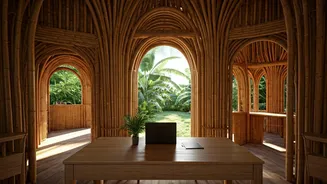
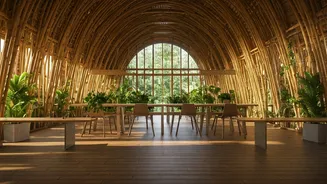
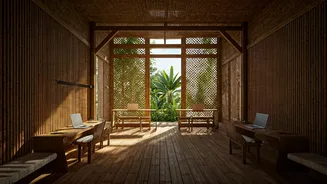
Let’s clarify the term. A 'zero-waste community' in Thailand isn't an entire city that produces no trash. Rather, these are intentional communities, permaculture farms, and eco-lodges dedicated to the principles of low-impact living. Think of places like the Pun Pun Center for Self-Reliance near Chiang Mai, which focuses on seed saving, natural building, and organic farming. Life here revolves around a shared goal: to live simply and sustainably. Residents and visitors learn to grow their own food, build with local materials like mud and bamboo, and drastically reduce their reliance on single-use plastics. It's a hands-on, educational experience that redefines wealth not by possessions, but by skills, health, and community connection.
Finding Your Eco-Tribe
Northern Thailand, particularly the areas surrounding Chiang Mai and Pai, is the epicentre of this movement. These regions are dotted with permaculture farms, yoga retreats, and wellness centres that welcome long-term visitors, volunteers, and digital nomads. Places like Daruma Eco-Farm offer experiences in sustainable agriculture, while entire communities in Pai have embraced a slower, more conscious pace of life. The key is to look for organisations offering workshops, volunteer-for-stay arrangements, or long-term rentals. This allows you to integrate into the community, learn valuable skills, and contribute, rather than just being a passive tourist. Many of these hubs are connected by word-of-mouth, creating a vibrant subculture of like-minded individuals from around the world.
The Practical Side of Digital Freedom
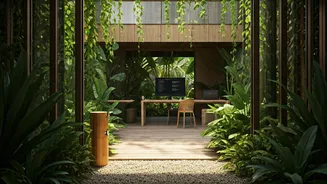
But can you actually run a digital business from a mud hut? Yes, with planning. While a remote farm might not have fibre-optic internet, the connectivity in Thailand is surprisingly robust. Most digital nomads in these communities adopt a hybrid approach. They might spend focused workdays at a co-working space in a nearby town like Chiang Mai or Pai, which offer reliable high-speed internet, and spend the rest of their time immersed in community life. Mobile data plans are affordable and offer wide coverage, serving as a reliable backup for emails and light tasks. This balance allows you to stay connected professionally while disconnecting from the noise and pressure of conventional city life. The 'freedom' comes from designing a work-life rhythm that suits you, not the other way around.
Costs, Visas, and a Realistic Mindset
This lifestyle can be remarkably affordable. Living in an eco-community often involves lower costs for food and lodging, especially if you're contributing through work or volunteering. However, it's crucial to be realistic. For visas, many start with a tourist visa but for longer stays, options like the Thai Elite Visa, education visas for learning Thai, or the new Long-Term Resident (LTR) 'Work-From-Thailand Professional' visa are worth exploring. The biggest requirement, however, is a mental shift. This life isn't a permanent vacation. It involves rustic conditions, manual work, and a willingness to adapt to a community-focused mindset. It’s for those who find joy in simplicity and are looking for a deeper connection to their environment and their neighbours.