







The Age of the Probiotic
Not long ago, the concept of gut health exploded into the mainstream, and probiotics were the star of the show. The idea was simple and appealing: our guts contain billions of bacteria, and we can improve our health by supplementing with more of the “good”
ones. This led to a boom in probiotic-fortified yoghurts, drinks, capsules, and powders, each promising to restore balance to our inner ecosystem. The appeal was in the simplicity of the fix. For anyone dealing with bloating, digestive discomfort, or simply wanting to be healthier, taking a specific probiotic felt like a proactive and targeted step. While probiotics can be beneficial in certain situations, such as for some people with Irritable Bowel Syndrome or after a course of antibiotics, the science is revealing a more complex picture.
A New Understanding: The Gut as an Ecosystem
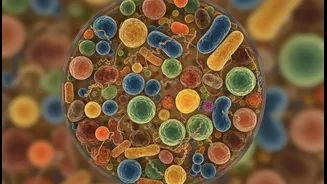
Think of your gut microbiome not as a barren field that needs a few seeds, but as a vast, complex rainforest teeming with thousands of different species. It’s an ecosystem of trillions of microorganisms, including bacteria, fungi, and viruses, all working together. This ecosystem influences everything from digestion and immunity to mood and metabolic health. Recent research highlights that simply dropping in a billion or so of one or two types of bacteria—as many probiotic supplements do—isn’t always effective at creating lasting change in this bustling environment. To truly thrive, the existing beneficial microbes in your gut need the right fuel. Without it, new additions may struggle to establish themselves. The focus, therefore, is shifting from repopulating the gut to nourishing it.
Why Plant Variety is the Key
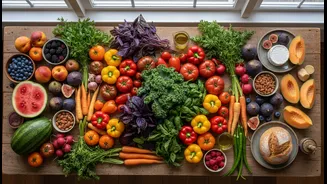
The most effective fuel for a diverse microbiome comes from a wide variety of plants. Different species of gut bacteria have different dietary preferences. The key lies in dietary fibre and compounds called polyphenols. Since our bodies can't digest certain fibres, they travel to the colon where they become food—or prebiotics—for our gut microbes. Different plants contain different types of fibres, so the more variety you eat, the more diverse a population of gut bacteria you can support. One major study, the American Gut Project, found that individuals who ate more than 30 different types of plants per week had significantly more diverse gut microbiomes than those who ate 10 or fewer. This diversity is linked to better health outcomes, including a stronger immune system and lower levels of inflammation.
What Counts as a Plant?
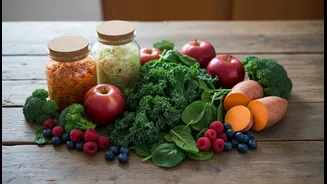
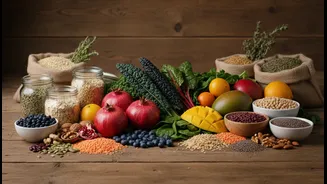
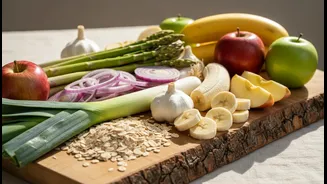
The goal of eating 30 different plants a week might sound intimidating, but the definition of a “plant” is broader than you might think. It’s not just about fruits and vegetables. The list includes: - Vegetables (including leafy greens, root vegetables) - Fruits (fresh, frozen, or dried) - Whole Grains (oats, quinoa, brown rice, whole wheat pasta) - Legumes (beans, lentils, chickpeas) - Nuts and Seeds (almonds, walnuts, chia seeds, flax seeds) - Herbs and Spices (basil, turmeric, cinnamon, ginger) Each of these counts as one point towards your weekly total. Even coffee and dark chocolate count, thanks to the plant-based polyphenols they contain. The focus is on variety over a week, not cramming 30 plants into a single day.
Simple Ways to Boost Your Plant Intake
Increasing your plant variety doesn't require a complete dietary overhaul. It's about making small, consistent swaps and additions. Start by aiming for 15 or 20 plants and building from there. You can add a handful of spinach to your morning eggs, toss a mix of seeds onto your yoghurt or oatmeal, and opt for a mixed grain blend instead of plain white rice. When you make a soup or curry, try adding an extra vegetable or a can of beans. Challenge yourself to buy one new or different fruit or vegetable each week during your grocery shop. Over time, these small changes compound, nourishing your gut microbiome and supporting your overall health in a way that a single supplement often can't.