



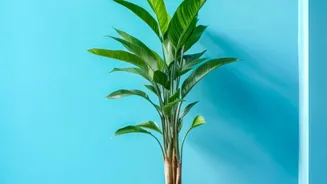
General Care During Monsoon
Before diving into specific plants, it's wise to remember a few general rules for indoor gardening during the Indian monsoon. The biggest challenge is not the humidity itself, but the combination of damp air and wet soil, which can lead to root rot and fungal
infections. During this season, reduce your watering frequency significantly. Always check if the top inch of the soil is dry before watering again. Ensure your pots have excellent drainage and don't let water collect in the trays underneath. Good air circulation is also key, so try to keep your plants in a well-ventilated area to prevent pests and fungus that flourish in stagnant, damp conditions.
Snake Plant (Sansevieria trifasciata)
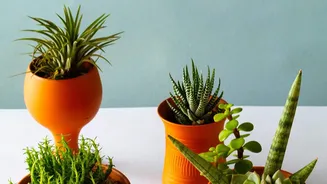
Often hailed as one of the most indestructible houseplants, the Snake Plant is a champion in monsoon-heavy climates. While it is a succulent that prefers drier conditions, it is remarkably resilient to the high humidity of the rainy season. Its thick, sword-like leaves store water, making it forgiving if you forget to water it. In fact, the main rule with a snake plant during the monsoon is to water it even less than you usually would, as it's highly susceptible to root rot in waterlogged soil. It is also an excellent air purifier, known to release oxygen at night, making it a perfect addition to bedrooms.
Money Plant (Epipremnum aureum)
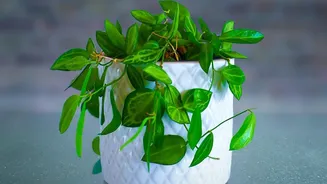
The Money Plant, or Pothos, is arguably one of India's most beloved indoor plants, largely because it adapts so well to varied conditions. It thrives in the moist conditions of the monsoon and often experiences a growth spurt during this time. This vining plant is incredibly low-maintenance and can be grown in both soil and water. Its heart-shaped leaves add a lush, trailing aesthetic to any room. During the monsoon, ensure the soil is well-draining to prevent root rot, but appreciate that this plant genuinely enjoys the moisture-rich air.
Boston Fern (Nephrolepis exaltata)
Ferns are classic humidity-loving plants, and the Boston Fern is a prime example. Native to tropical forests, it craves high humidity to keep its delicate, feathery fronds lush and green. In fact, humidity levels above 50% are ideal, making the Indian monsoon its favourite time of year. Keep its soil consistently moist but never soggy, and provide it with bright, indirect light to mimic its natural habitat under a forest canopy. If the fronds start to look crispy, it's a sign the air is too dry, a problem you're unlikely to face during the rainy season.
Peace Lily (Spathiphyllum)
The Peace Lily is another plant that flourishes in high humidity, making it a perfect fit for monsoon-heavy regions. Known for its elegant white blooms and glossy dark green leaves, it not only looks beautiful but also works as a powerful air purifier. Peace Lilies absorb moisture from the air, which can help reduce dampness in a room. They prefer consistently moist soil and thrive in the low-light conditions often associated with overcast monsoon days. This tolerance for humidity and lower light makes it an easy and rewarding plant to care for during this season.
Areca Palm (Dypsis lutescens)
For a tropical vibe, the Areca Palm is an excellent choice. This plant flourishes in humid weather, often growing fuller and greener during the monsoon. It prefers bright, indirect sunlight and well-drained soil. The Areca Palm is also known as a natural humidifier, releasing moisture into the air. During the monsoon, when the air is already saturated, this effect is less pronounced, but the plant itself remains happy and healthy in the humid environment it naturally loves. It’s a great way to fill an empty corner with lush, arching fronds.
Spider Plant (Chlorophytum comosum)
The Spider Plant is a hardy and adaptable choice that handles monsoon humidity with ease. It's known for its distinctive arching leaves and the 'spiderettes' or baby plantlets that dangle from the mother plant, making it fun to propagate. These plants grow rapidly during the monsoon, enjoying the ambient moisture. Like others on this list, they are excellent air purifiers. While they are forgiving, ensure they are planted in well-draining soil to avoid waterlogging, as their roots can rot if left in standing water.