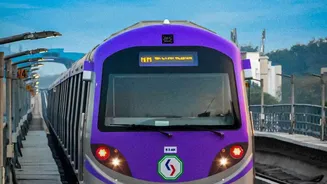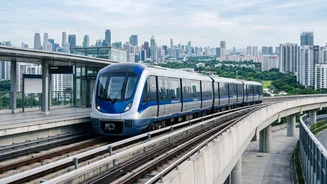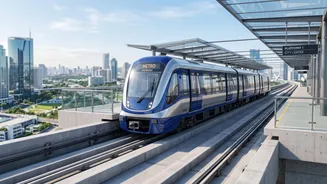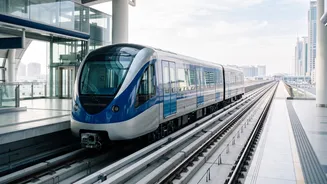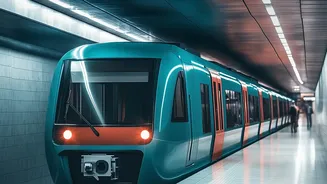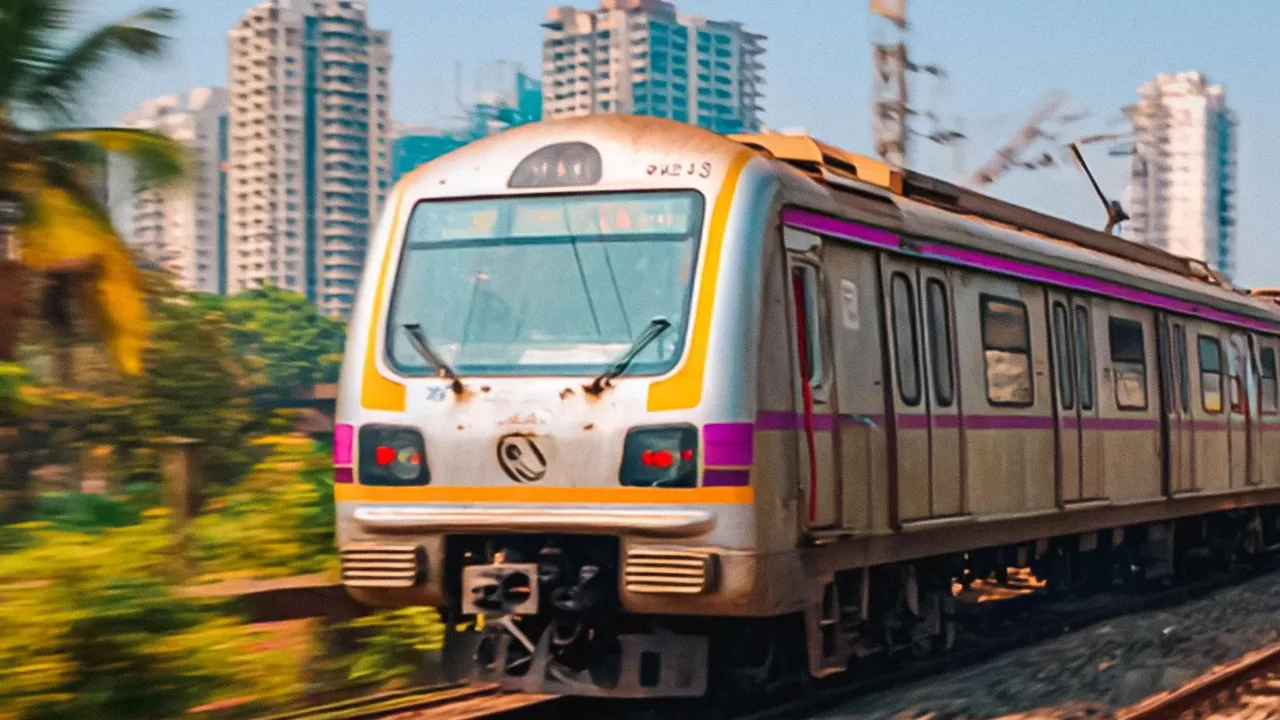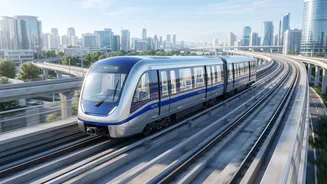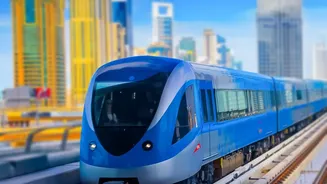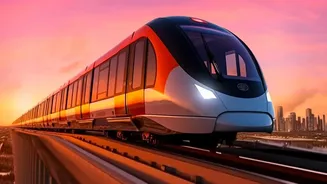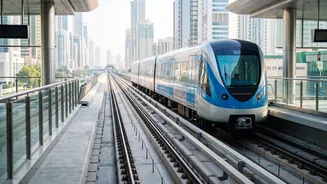





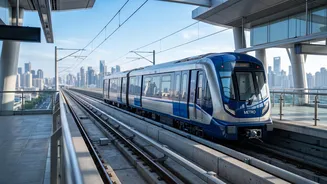
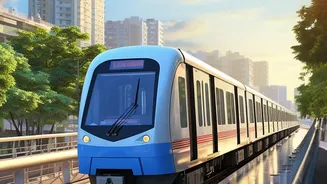
A single-day ridership of 1.6 million passengers on Delhi Metro's driverless lines is more than just a number. It’s a powerful vote of public confidence and a signpost for the future of urban transport across India.
Understanding the Milestone
On November 2, ahead of the Diwali travel
rush, an astounding 1.6 million commuters in Delhi chose to travel on a driverless train. This figure means that roughly one in every five passengers on the entire network that day used the automated service running on the Magenta and Pink lines. First launched in December 2020, these Unattended Train Operation (UTO) systems have quietly become an integral part of the capital's commute. The Delhi Metro Rail Corporation (DMRC) now runs 100 driverless trains across 120 kilometres of its network, which accounts for nearly 29% of its total operational length. This achievement not only demonstrates public acceptance of the technology but also proves its capability to handle immense passenger loads during peak demand.
The Technology of Trust
So, what makes a train 'driverless'? The system relies on an advanced technology called Communication-Based Train Control (CBTC), which allows for fully automated operation. It removes the possibility of human error in core driving functions like acceleration, braking, and precise stopping at platforms. DMRC's Managing Director, Vikas Kumar, notes that this automation brings greater flexibility to operations and significantly improves the availability of coaches for service. Furthermore, the reliability of these trains has been enhanced through exhaustive self-tests performed before they enter service, ensuring a high degree of safety and dependability that has clearly won over commuters.
DMRC's Vision for a Pan-India Rollout
Buoyed by this success, the DMRC is now championing the wider adoption of this model across India. With metro services now operational in 26 cities—including Mumbai, Bengaluru, and Kolkata—the Delhi experiment serves as a powerful case study. DMRC's leadership argues that the benefits of reduced human intervention, fewer errors, and improved service frequency make it a logical next step for modernising urban transit nationwide. The plan is to expand Delhi's own driverless network to 198 km as ongoing projects are completed, further cementing its status as one of the world's largest automated metro networks.
The Hurdles on the Track Ahead
Despite the clear operational advantages, a nationwide shift to driverless technology is not without its challenges. Critics point to the high initial capital expenditure as a significant barrier for other cities. There are also concerns about job redundancy for train operators. The DMRC has addressed this by redeploying its staff to other roles like station management and crowd control, stating that no operators have been laid off since the transition began in 2020. However, some experts, like former railway manager Sudhanshu Mani, caution against blindly following global trends. They argue that India, with its lower staffing costs compared to developed nations, should conduct its own thorough cost-benefit analysis before making a widespread commitment to the technology.