







The New Definition of Family
The change begins with a simple but profound shift in mindset. For a growing number of Indians, particularly millennials and Gen Z, pets are not just animals; they are family. The term ‘pet parent’ has replaced ‘pet owner,’ reflecting a deeper emotional
bond and a willingness to integrate pets into every facet of life. This was accelerated during the pandemic, when lockdowns led to a surge in pet adoptions. People sought companionship, and in return, discovered the immense joy and responsibility of caring for another being. This generation is not content to leave their four-legged companions behind. They want to share experiences, from morning coffee runs to weekend getaways, and they are using their purchasing power to make it happen.
Real Estate Finally Wags Its Tail
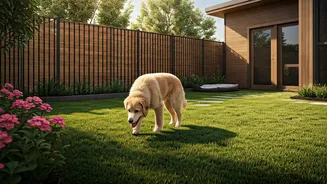
Perhaps the most significant battlefield for pet-friendly living has been housing. For decades, finding a rental that welcomed pets was a Herculean task, filled with arbitrary denials from landlords and hostile Resident Welfare Associations (RWAs). Now, the market is responding to overwhelming demand. Real estate portals report a sharp increase in searches with a ‘pet-friendly’ filter. Developers, recognizing a lucrative opportunity, are now designing new residential complexes with dedicated amenities like dog parks, pet-washing stations, and walking trails. ‘Pet-friendly’ is no longer a reluctant concession but a premium selling point, used to attract a demographic that is willing to pay more for a home that accommodates their entire family, paws and all.
Beyond the Apartment Walls
This movement extends far beyond the front door. A vibrant ecosystem of pet-friendly businesses is flourishing in major cities. Cafes with outdoor seating now proudly display ‘Pets Welcome’ signs, offering water bowls and sometimes even a special menu for canine customers. Co-working spaces, understanding that a happy employee might be one with a dog snoozing at their feet, are adopting pet-friendly policies. Even the travel and hospitality industry is catching on. A growing number of hotels, homestays, and resorts are not just ‘pet-tolerant’ but actively cater to guests with pets, offering special beds, toys, and open spaces to play. This normalisation allows pet parents to build a social life that doesn’t require them to choose between their friends and their furry companions.
The 'Pawsitive' Economic Impact
This isn't just a feel-good story; it's a powerful economic driver. The Indian pet care market is booming, encompassing everything from premium, organic pet food and gourmet treats to sophisticated veterinary care, grooming services, and stylish accessories. This multi-billion dollar industry is built on the foundation of pet humanisation. When people see their pet as a child, they are more inclined to spend on its health, wellness, and happiness. Businesses that align with this trend are reaping the rewards. The success of pet-friendly establishments proves that inclusivity is not just a social good but also a smart business strategy that taps into a loyal and high-spending consumer base.
A Few Growls Along the Way
Despite the progress, the path to a truly pet-inclusive society is not without its hurdles. Conflicting and often legally dubious RWA bylaws remain a source of stress for many residents. There is also a need for greater civic sense and responsibility among pet parents themselves—cleaning up after one's pet and ensuring they are well-behaved in public spaces is crucial to maintaining goodwill. Furthermore, public infrastructure, such as designated off-leash areas in parks, still lags behind the demand. For the ‘pet-friendly’ trend to become a permanent and positive fixture of urban life, it requires a partnership between businesses, policymakers, and a community of responsible owners.