





The Spiritual Heart of Fasting
Observing a fast, or 'vrat', on Janmashtami is more than just abstaining from food; it is a spiritual practice to purify the body and mind. The core idea, known as 'upvas', is to draw closer to the divine by reducing worldly distractions. By managing
physical needs, devotees can dedicate more energy to prayer, meditation, and remembering Lord Krishna's teachings. The fast symbolises discipline, devotion, and gratitude, allowing for a deeper spiritual connection on this auspicious day.
Mark Your Calendar: Date and Puja Time
In 2026, Janmashtami will be celebrated on Friday, September 4. The most sacred time for worship is the Nishita Kaal, the midnight period when Lord Krishna is believed to have been born. For those in New Delhi, the Nishita Puja time will be from approximately 11:57 PM on September 4 to 12:43 AM on September 5. Worshippers traditionally perform puja and sing bhajans during this window to mark the divine birth.
Choose Your Fast: Nirjala or Phalahar
Devotees can choose from different types of fasts based on their health, age, and family traditions. The strictest is the 'Nirjala' vrat, where one abstains from both food and water until the fast is broken. A more common and manageable option is the 'Phalahar' vrat. In this fast, devotees consume fruits, milk products, and specific 'vrat-friendly' foods throughout the day while avoiding grains, lentils, and certain vegetables. There are also partial fasts where a single sattvic meal is consumed. The intention behind the fast is considered more important than its stringency.
What to Eat: Vrat-Friendly Foods
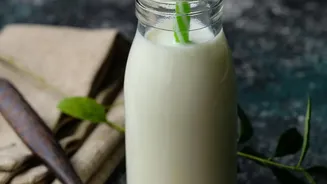
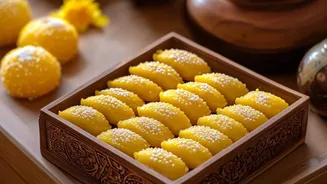
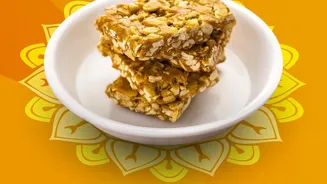
For those observing a Phalahar fast, a variety of foods are permitted. These include all fruits, dairy products like milk, curd, and paneer, and certain starches such as sabudana (tapioca pearls), kuttu ka atta (buckwheat flour), and samak rice (barnyard millet). Vegetables like potatoes, sweet potatoes, and tomatoes are also allowed. For seasoning, sendha namak (rock salt) should be used instead of regular table salt. Healthy snacks like roasted makhana (fox nuts) and a mix of dry fruits can help maintain energy levels.
What to Avoid During the Vrat
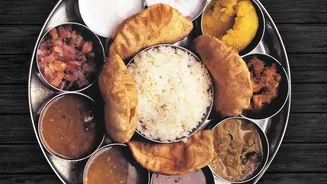
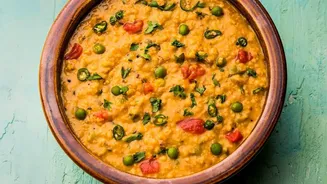
The primary rule for the Janmashtami fast is to avoid all grains and lentils, such as wheat, rice, and dal. Onion and garlic are also strictly forbidden as they are considered tamasic, or foods that can cause mental restlessness. Additionally, all non-vegetarian foods, eggs, alcohol, and tobacco must be avoided. While many fried 'vrat' snacks are popular, it's advisable to consume them in moderation to prevent lethargy and acidity.
Breaking the Fast: The Parana
The process of breaking the fast is called 'Parana'. Traditionally, the fast is broken after the midnight puja celebrating Krishna's birth is complete. Many devotees consume the 'Panchamrit' offered during the puja to break their fast. According to stricter interpretations based on Dharma Shastras, the fast should only be broken the next morning after sunrise, once the Ashtami Tithi (eighth lunar day) is over. In 2026, this would be on the morning of September 5. However, breaking the fast after the midnight aarti is a widely followed practice.