




From Dinner to Destination
For decades, dining at an Indian restaurant was a familiar comfort. The menu was predictable, the goal was satisfaction, and the experience was transactional. But that model is rapidly evolving. Today, a growing number of Indian establishments are redefining
what a restaurant can be. They are becoming destinations where the meal is just one part of a larger, curated experience. This shift is driven by a new generation of chefs who see food as a medium for storytelling and by diners who crave more than just a good dish—they want a memorable journey. It's a transformation from merely feeding guests to creating a sensory narrative that lingers long after the plates are cleared.
The Anatomy of an Experience
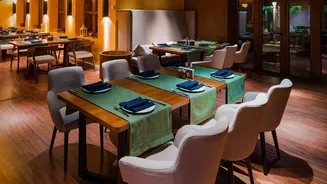
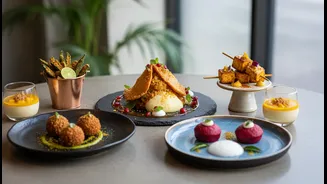
So, what does an 'experiential' Indian restaurant look like? It’s a multi-layered approach. The food, of course, is central, but it’s often presented as part of a tasting menu that tells a story. Chefs are diving deep into India's vast culinary landscape, exploring hyper-regional cuisines and reviving forgotten recipes. You might find a menu built around the six seasons of the Himalayas or dishes that trace the history of a specific trade route. But the experience extends far beyond the plate. It's in the ambiance, with themed interiors inspired by royal courts or cinematic designs that transport you to another place. It's in the service, where staff act as guides to the culinary story. Some restaurants even incorporate open kitchens, live performances, or augmented reality menus that reveal the origin of each dish.
Chefs as Cultural Storytellers
At the heart of this movement are chefs who have taken on the role of cultural ambassadors. Restaurants like Masque in Mumbai and Naar in Kasauli are prime examples. Masque, with its dedicated in-house research lab, experiments with fermentation and ageing to create dishes that showcase India's biodiversity. Chef Prateek Sadhu at Naar builds his entire concept around the under-explored ingredients of the Himalayan belt. These chefs are not just cooking; they are culinary historians and artists. They travel to remote villages, partner with local farmers, and unearth heirloom ingredients to bring authentic, place-based stories to the fine-dining table. The result is a menu that feels deeply personal and rooted in a sense of place, transforming a meal into a lesson in history, geography, and culture.
A Global Phenomenon with Indian Soul
This trend isn't confined to India. From London to New York, modern Indian restaurants are gaining international acclaim for their innovative approaches. Establishments like Indian Accent, with outposts in New Delhi and New York, have been celebrated for blending Indian traditions with global ingredients and techniques for years. This global recognition proves that Indian cuisine can be presented with the same artistry and refinement as any other of the world's great cuisines. The movement reflects a newfound confidence in presenting Indian traditions through a contemporary lens, challenging outdated perceptions and establishing Indian food as a major force in the global fine-dining scene.
The Future of Indian Dining
While multi-course tasting menus might remain a feature of high-end dining, the core principles of this trend—storytelling, quality ingredients, and a strong sense of identity—are influencing the entire industry. The focus on sustainability, with chefs championing local produce and eco-friendly practices, is becoming more widespread. Similarly, the emphasis on health, incorporating principles from Ayurveda and using nutrient-dense ingredients like millets, is finding its way onto more mainstream menus. This evolution suggests that the future of Indian dining will be less about replicating a standard formula and more about offering an authentic, engaging, and thoughtful experience, regardless of the price point.