




Book in Advance, But Stay Flexible
The golden rule of budget travel is almost always to book early. Most rail operators release tickets several weeks or even months in advance, and this is when you'll find the cheapest fares. For popular routes, especially during holidays or weekends,
last-minute prices can be significantly higher. However, cheap advance tickets are often tied to a specific train and time. If your plans are not set in stone, look for off-peak travel times, like mid-week mornings, which tend to be more affordable. Being flexible with your travel dates by even a day or two can unlock substantial savings.
The Great Rail Pass Debate
A rail pass, which allows for multiple journeys within a region for a set period, can seem like an obvious money-saver. However, it's not always the best deal. A pass offers great value if you plan on covering long distances frequently, taking several trains in a short amount of time. For a trip with fewer, shorter, or more spread-out train journeys, buying individual point-to-point tickets in advance is often cheaper. Before you commit, map out your intended route, calculate the cost of individual tickets, and compare that total to the price of a rail pass. Don't forget that some high-speed and overnight trains require an additional seat reservation fee even if you have a pass.
Embrace the Magic of Night Trains
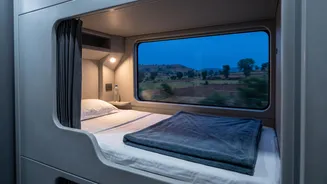
One of the best budget travel hacks is the overnight train. By travelling while you sleep, you effectively combine your transport and accommodation costs for one night, saving both money and precious daylight hours. You'll wake up in a new destination, often in the city centre, ready to explore. While private sleeper cabins can be pricey, the more basic 'couchette' options, with shared bunk beds, are a very economical choice. It’s an efficient way to cover long distances without sacrificing a day of your holiday.
Pack Light and Pack Smart
While trains are generally more generous with luggage than budget airlines, it's a mistake to assume there are no rules. Some European budget train operators do have luggage restrictions and may charge fees for oversized or excess bags. Travelling light not only helps you avoid these potential costs but also makes navigating busy stations and hopping on and off trains much easier. Another smart packing tip is to bring your own food and drinks. Relying on on-board catering or station cafes for every meal can quickly add up, so stocking up on snacks and water beforehand is a simple yet effective way to cut costs.
Look Beyond the Main Stations
Major cities often have multiple train stations. While the central hub is convenient, services to and from secondary stations can sometimes be cheaper. When searching for tickets, be sure to check all possible arrival and departure points for your chosen city. This might mean a slightly longer journey on local transport to reach your final destination, but the savings on the main rail ticket can make it worthwhile. This strategy is especially effective in large metropolitan areas with extensive suburban rail networks.
Don't Underestimate Second Class
For budget-conscious travellers, second-class travel is the way to go and rarely feels like a compromise. On most modern train networks in Europe and across Asia, second-class carriages are comfortable, clean, and perfectly adequate for most journeys. First-class offers more legroom, wider seats, and sometimes complimentary refreshments, but the core experience of getting from A to B is largely the same. Save the money you would have spent on a first-class ticket and put it towards an extra museum visit or a memorable meal at your destination. For shorter trips, coach or second class provides a comfortable experience without the premium price tag.