




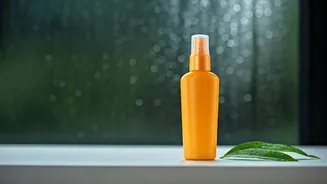



Switch to a Lightweight Cleanser
During the monsoon, high humidity signals your skin to produce more oil, which can mix with sweat and dirt to clog pores. A heavy, creamy cleanser that worked in winter might feel too rich now. The best first step is to switch to a gentle, lightweight
cleanser. Gel-based or mild foaming formulas are ideal for removing excess oil and grime without stripping your skin's natural moisture barrier. Look for cleansers with ingredients like salicylic acid, which helps exfoliate and keep pores clear, making it especially effective for those with oily and acne-prone skin. Washing your face twice daily—once in the morning and once at night—is crucial to prevent buildup.
Embrace a Sebum-Controlling Serum
If there's one hero ingredient for humid weather, it's niacinamide. This form of vitamin B3 is a powerhouse for controlling sebum production, which helps reduce that constant greasy feeling. It also visibly minimises the appearance of pores and can help calm the redness and inflammation associated with monsoon breakouts. Incorporating a lightweight, water-based niacinamide serum after cleansing can make a significant difference in keeping your skin balanced. It helps fortify the skin barrier, which can become compromised and reactive in damp conditions.
Hydrate with a Non-Greasy Moisturiser
It’s a common myth that oily, sticky skin doesn't need moisturiser. In fact, skipping it can backfire. When your skin is dehydrated, it often produces even more oil to compensate. The key is to choose the right kind of hydration. Ditch heavy creams for oil-free, non-comedogenic moisturisers. Gel or water-based formulas containing ingredients like hyaluronic acid, glycerin, or aloe vera are perfect. They provide essential moisture that absorbs quickly without clogging pores or feeling heavy on the skin, leaving it feeling refreshed and balanced.
Don’t Skip Sunscreen, Even on Cloudy Days
Just because the sun is hidden behind clouds doesn't mean your skin is safe from UV rays. UV radiation penetrates through clouds and can still cause tanning, premature ageing, and worsen post-acne marks. Applying a broad-spectrum sunscreen with at least SPF 30 every single morning is non-negotiable. The challenge in monsoon is finding one that doesn't feel thick or greasy. Look for lightweight, gel-based, or fluid sunscreens marketed as 'matte finish' or 'oil-free'. These modern formulas are designed to be comfortable in humid weather and won't contribute to clogged pores.
Exfoliate Gently and Consistently
With the combination of sweat, oil, and dead skin cells, your pores can become congested quickly during the monsoon. Gentle exfoliation is key to preventing blackheads and breakouts. However, it's important not to overdo it. Harsh physical scrubs can irritate the skin and damage its protective barrier, leading to more problems. Instead, opt for a chemical exfoliant containing AHAs (like glycolic acid) or BHAs (like salicylic acid) once or twice a week. This will help dissolve the buildup inside pores, leading to smoother and clearer skin. Clay masks used once a week are also excellent for absorbing excess oil.
Prevent Fungal and Bacterial Infections
The damp, warm environment of the monsoon is a perfect breeding ground for fungus and bacteria. This can lead to issues like athlete's foot, ringworm, and folliculitis (infected hair follicles). To prevent these, practicing good hygiene is essential. Always change out of wet clothes or sweaty gym gear as soon as possible. Ensure you dry your skin thoroughly after showering, paying special attention to skin folds like underarms, the groin, and between your toes. Wearing breathable cotton clothing can also help by improving air circulation and reducing sweat buildup.