

The World Discovers ‘Swicy’
One of the most talked-about global food trends is ‘swicy,’ the addictive combination of sweet and spicy. From hot honey drizzled on pizzas to the fiery-sweet glazes of Korean fried chicken, this flavour profile has taken social media and international
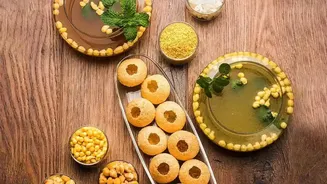
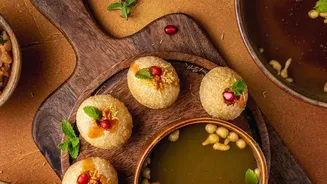
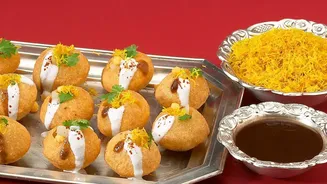
menus by storm. Yet, for many in India, this isn't a new discovery but a familiar comfort. The concept has been fundamental to Indian cooking for generations, present in everything from tamarind chutney balancing jaggery and chilli to the street-side joy of guava sprinkled with salt and red chilli powder. What's new is the catchy name and its global packaging. The 'swicy' trend is entering India in new formats, inspiring chefs to create dishes like mango peri-peri wings and experiment with flavour-collision mashups that appeal to a generation seeking adventure in every bite.
A Renaissance of Regional Roots
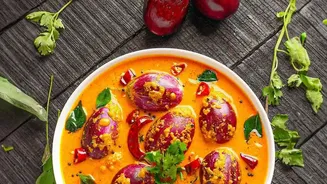
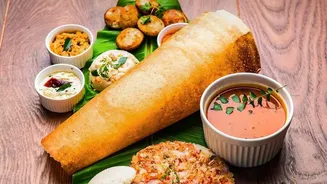
At the same time that global flavours are being embraced, a powerful counter-movement is gaining momentum: the revival of hyperlocal Indian food. For years, mainstream Indian cuisine was often simplified into broad categories like 'North Indian' or 'South Indian'. Now, chefs, home cooks, and food enthusiasts are championing the incredible diversity that exists within states and even districts. This isn't just a trend but a movement to preserve and celebrate indigenous food traditions. Restaurants and pop-ups are now showcasing dishes that rarely left home kitchens, like the Meitei fish curry Nga Atoiba Thongba from Manipur or hay-smoked mackerel from Goa. This shift reflects a growing pride in culinary identity and a desire among diners to explore the authentic, nuanced flavours of India's vast gastronomic landscape.
Beyond Butter Chicken
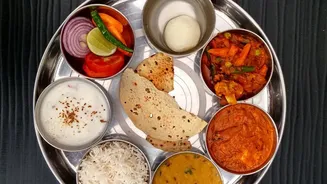
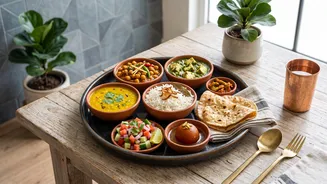
The focus on regional specialities is fundamentally changing what 'Indian food' means both at home and abroad. Diners are looking beyond the usual butter chicken and naan to explore the complexities of the country's culinary heritage. This movement is driven by chefs who are acting as culinary archivists, researching and reviving forgotten recipes like Bihari masala mutton and Rajasthani ker sangri. The result is an exciting expansion of the Indian menu, where multi-regional restaurants are becoming culinary hubs, allowing diners to experience the breadth of the nation's palate under one roof. This deeper engagement with our own food culture is leading to a greater appreciation for the unique ingredients, techniques, and stories that define each region.
The Role of Technology and a New Generation
This dual evolution is being accelerated by technology and a new generation of curious eaters. Social media platforms and food content creators have become powerful tools for popularising both global fads and niche local dishes, bringing them to a wider audience. Simultaneously, hyperlocal food delivery apps and cloud kitchens have made it easier than ever for consumers to access a diverse range of cuisines, from their neighbourhood's best-kept secret to the latest international trend. This digital ecosystem empowers small-scale home chefs and specialised kitchens, allowing them to share unique regional foods that were previously inaccessible. For younger consumers, especially Gen Z, this convenience and variety are paramount, driving them to experiment with new flavours while also connecting with authentic, traditional meals.