


The Shift from 'Protein-First' to 'Food First'
For years, the conversation around children's nutrition in urban India has been dominated by protein. This has led to a boom in specialised powders, fortified snacks, and a general anxiety among parents about meeting daily protein targets. However, India's
top nutrition authorities, including the Indian Council of Medical Research (ICMR) and the National Institute of Nutrition (NIN), are now amplifying a more holistic message. Their guidance, particularly concepts like 'My Plate for the Day', emphasizes that while protein is crucial, it's just one component of a healthy, balanced diet. This new emphasis is not about demonising protein but about putting it in its rightful place—as part of a team of nutrients that work together. The push is to move away from a supplement-heavy approach and return to the principles of a varied, whole-foods diet.
Why Balance Trumps a Single Nutrient
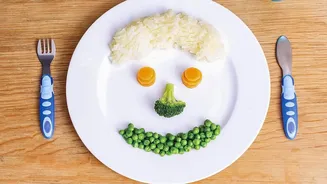
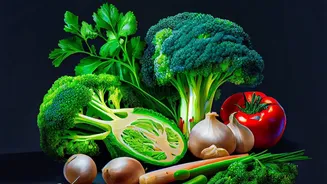
Focusing excessively on one nutrient can create unintended problems. Health experts warn that overconsumption of protein, especially from supplements not designed for children, can put a strain on developing kidneys. More importantly, it can create a nutritional imbalance. When children fill up on protein-heavy foods or drinks, they may have less appetite for other essential foods like vegetables, fruits, and whole grains. These foods provide fibre, vitamins, minerals, and antioxidants that are critical for immunity, digestion, and overall development. The ICMR-NIN's 'My Plate for the Day' model visually represents this balance, recommending that about half the plate should be filled with vegetables and fruits, a quarter with cereals and millets, and the remaining quarter with protein sources like pulses, dairy, eggs, or meat.
How Much Protein Do Children Actually Need?
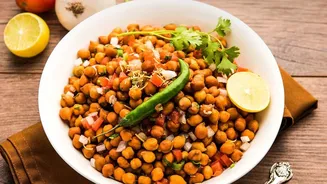
The anxiety around protein often stems from a misunderstanding of how much is actually required. According to ICMR guidelines, the needs are quite modest and vary by age. A toddler (1-3 years) needs about 13-16 grams per day, a child aged 4-6 needs around 19-20 grams, and an older child (7-9 years) requires about 23 grams. These amounts are easily met through a typical Indian diet. For example, a single egg provides 6 grams, a cup of milk gives 8 grams, and half a cup of cooked dal offers around 9 grams. The issue is often not a lack of protein in the food, but a lack of dietary diversity. For most children, a balanced intake of dal, roti, rice, vegetables, and curd or milk is sufficient to meet their protein needs without any special supplements.
Building a Balanced Thali at Home
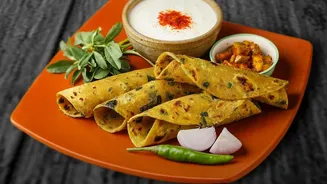
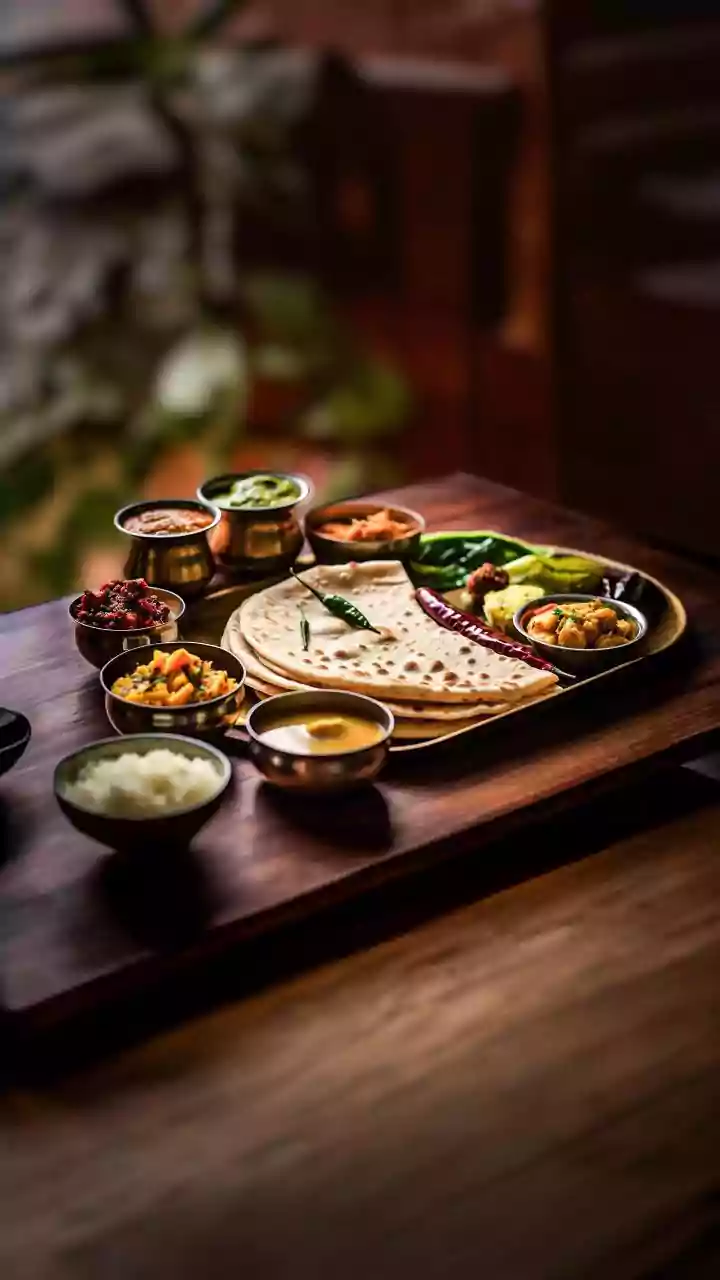
Translating this guidance into daily meals doesn't require a complete overhaul of your kitchen. In fact, the traditional Indian thali is an excellent model for a balanced plate. The key is to be mindful of proportions. Ensure every meal has a colourful vegetable component (sabzi) and a protein source (dal, paneer, curd, or egg). Prioritise whole grains like whole wheat roti, brown rice, or millets like jowar and ragi over refined flours. Include a seasonal fruit as a snack instead of a packaged one. FSSAI's 'Eat Right School' initiative also promotes these principles, encouraging local, seasonal foods and limiting items high in fat, salt, and sugar (HFSS). By focusing on variety and whole foods, you not only meet protein requirements but also provide the full spectrum of nutrients a growing child needs.