





The Humidity and Sweat Connection
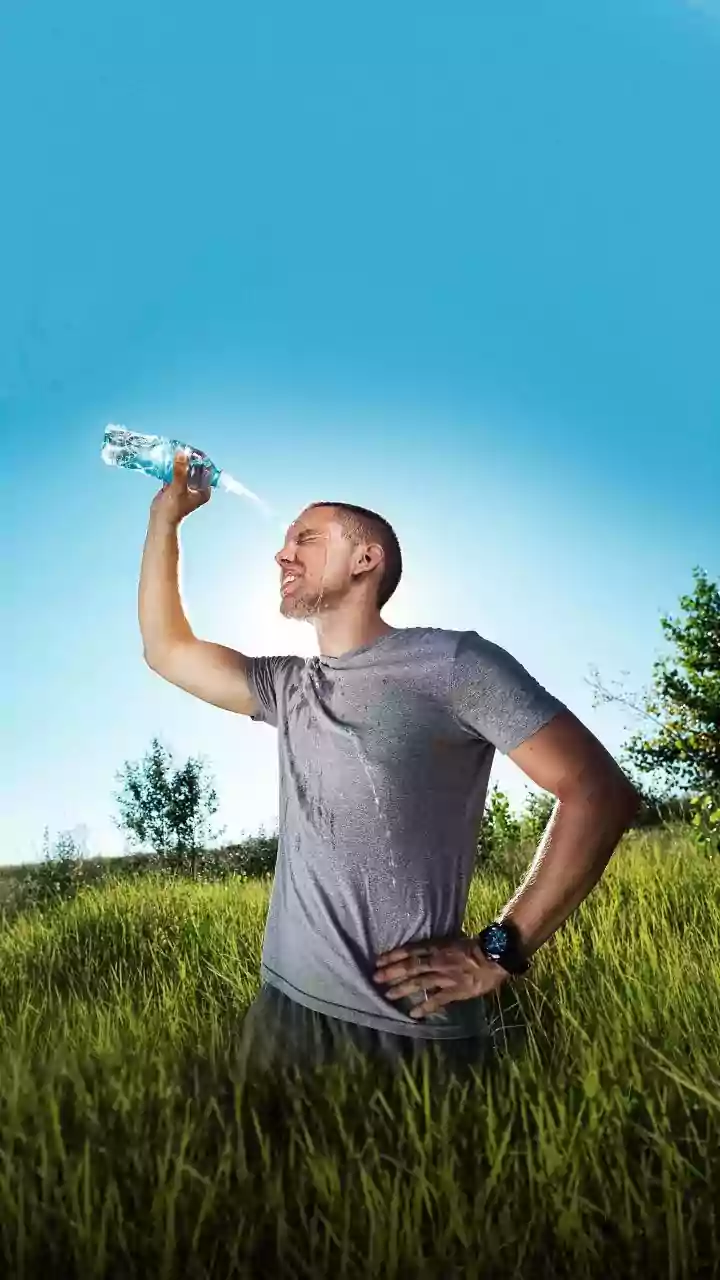
During the humid monsoon months, the air is already saturated with moisture. This makes it difficult for your sweat to evaporate, which is the body's primary way of cooling down. As a result, your body temperature rises, and it tries to compensate by
sweating even more profusely. While sweating is natural, this excessive fluid loss also drains your body of critical electrolytes, particularly sodium and magnesium. This is why you might feel more fatigued, experience muscle cramps, or feel dizzy during a workout, even if you are drinking plenty of plain water. Water alone isn't enough to rehydrate you effectively under these conditions.
Sodium: The Essential Fluid Balancer
Sodium is the most abundant electrolyte lost in sweat and is absolutely vital for athletic performance. It plays a central role in maintaining the body's fluid balance, ensuring that water gets to your cells where it is needed. When you lose too much sodium, your body's ability to retain water is compromised, which can accelerate dehydration. This mineral is also essential for nerve function and muscle contractions. A significant drop in sodium levels can lead to symptoms like muscle cramps, headaches, fatigue, and in severe cases, a dangerous condition called hyponatremia, where blood sodium levels become diluted. Replenishing sodium helps maintain blood volume, supports muscle function, and even stimulates thirst, encouraging you to drink more.
Magnesium: The Unsung Hero of Energy and Muscle Function
While sodium gets a lot of attention, magnesium is the quiet workhorse that supports over 300 biochemical reactions in the body. For anyone who exercises, its role is crucial. Magnesium is key for energy metabolism, helping your body convert food into usable energy for your workout. It also plays a vital part in muscle function, specifically in muscle relaxation. While other electrolytes help muscles contract, magnesium helps them relax, which can prevent the painful cramps and spasms that often plague athletes. Sweat depletes magnesium stores, and a deficiency can lead to muscle weakness, fatigue, and twitching. Ensuring adequate magnesium intake supports muscle recovery, reduces soreness, and contributes to overall electrolyte balance.
Recognising the Warning Signs of Imbalance
Your body is very good at signalling when something is wrong. Paying attention to these signs is crucial for preventing more serious issues. Common symptoms of an electrolyte imbalance, especially a deficit in sodium and magnesium, include persistent muscle cramps or twitching, unusual fatigue or weakness, headaches, and feelings of nausea or dizziness. You might also notice a rapid heart rate or a feeling of confusion. In some cases, you may see white, salty residue on your skin or clothes after your sweat dries, which indicates you are a 'salty sweater' and are losing a significant amount of sodium. If you experience these symptoms, it's a clear sign that you need to replenish not just fluids, but electrolytes as well.
Smart and Safe Replenishment Strategies
Replenishing these lost minerals doesn't have to be complicated. For workouts lasting over an hour in high humidity, consider an electrolyte drink that contains a balanced amount of sodium and magnesium. You can also make your own by adding a small pinch of sea salt and a squeeze of lemon to your water. Post-workout, focus on recovery through food. Natural sources of sodium include salted nuts and some dairy products like yogurt. For a magnesium boost, turn to foods like dark leafy greens (spinach), nuts and seeds (pumpkin seeds, almonds), legumes, and even dark chocolate. Coconut water is another excellent natural option that provides potassium, sodium, and magnesium. The key is to be proactive, especially before, during, and after a strenuous, sweaty session.