
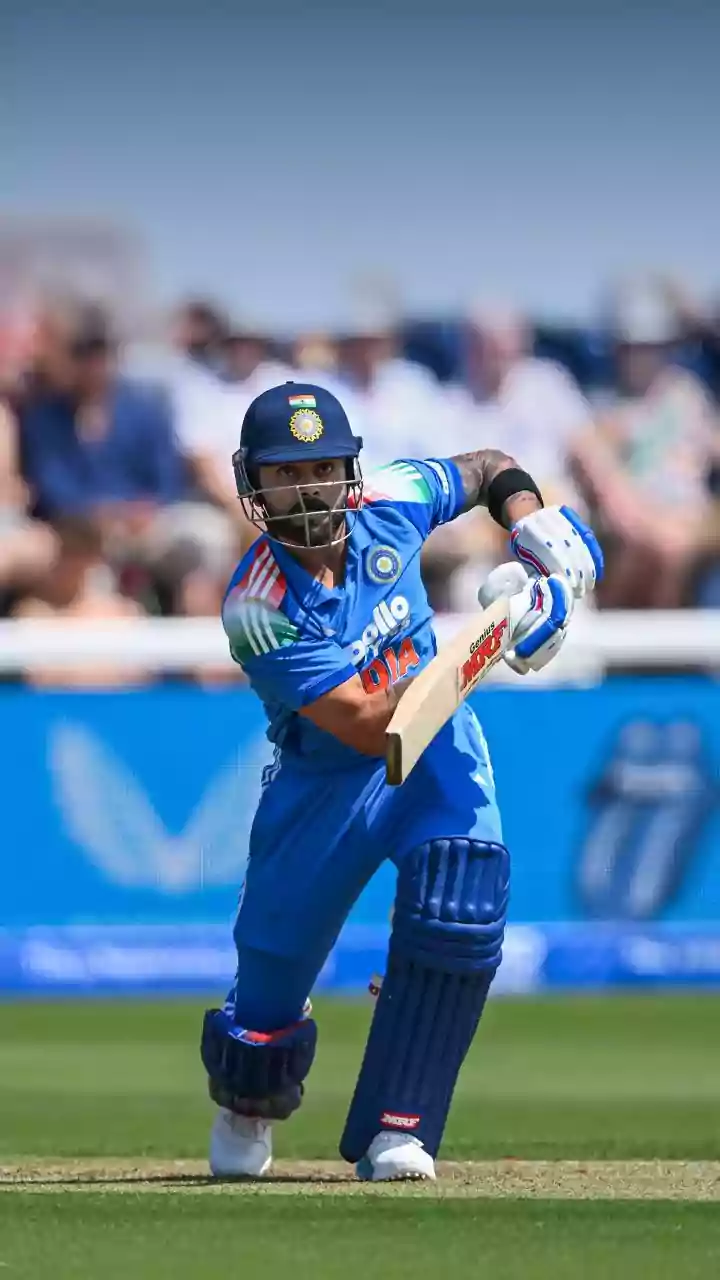

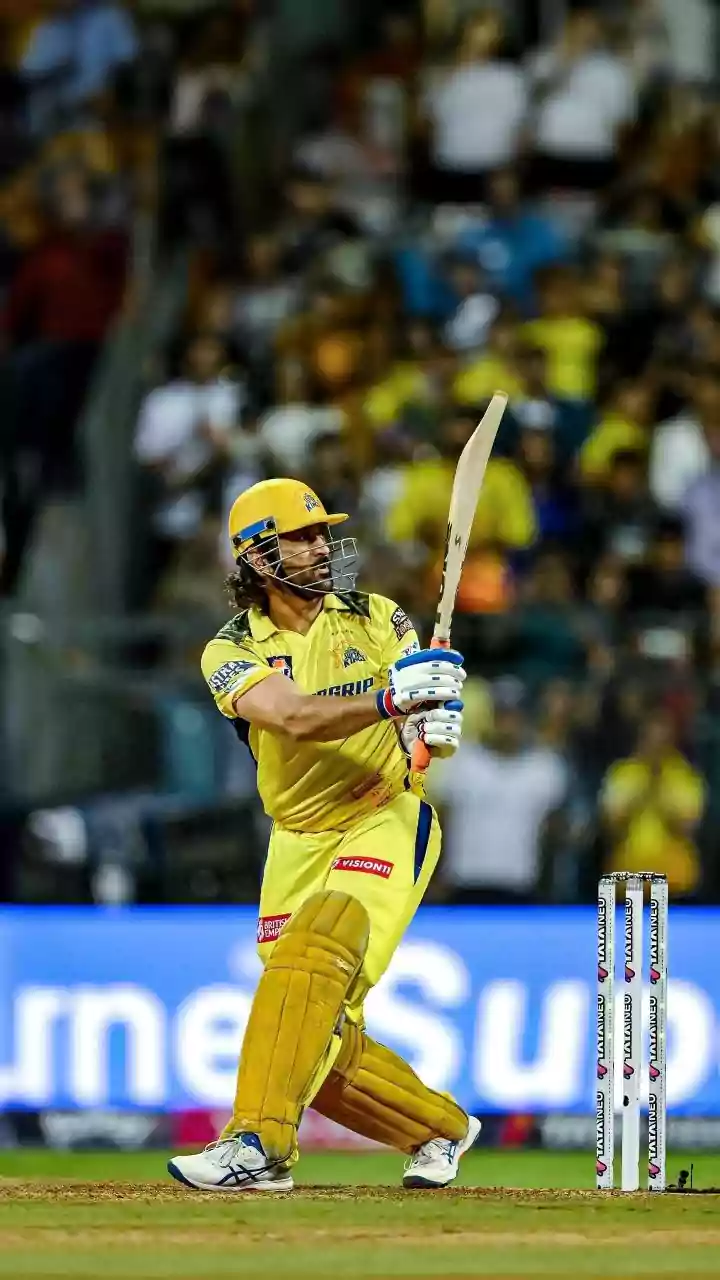
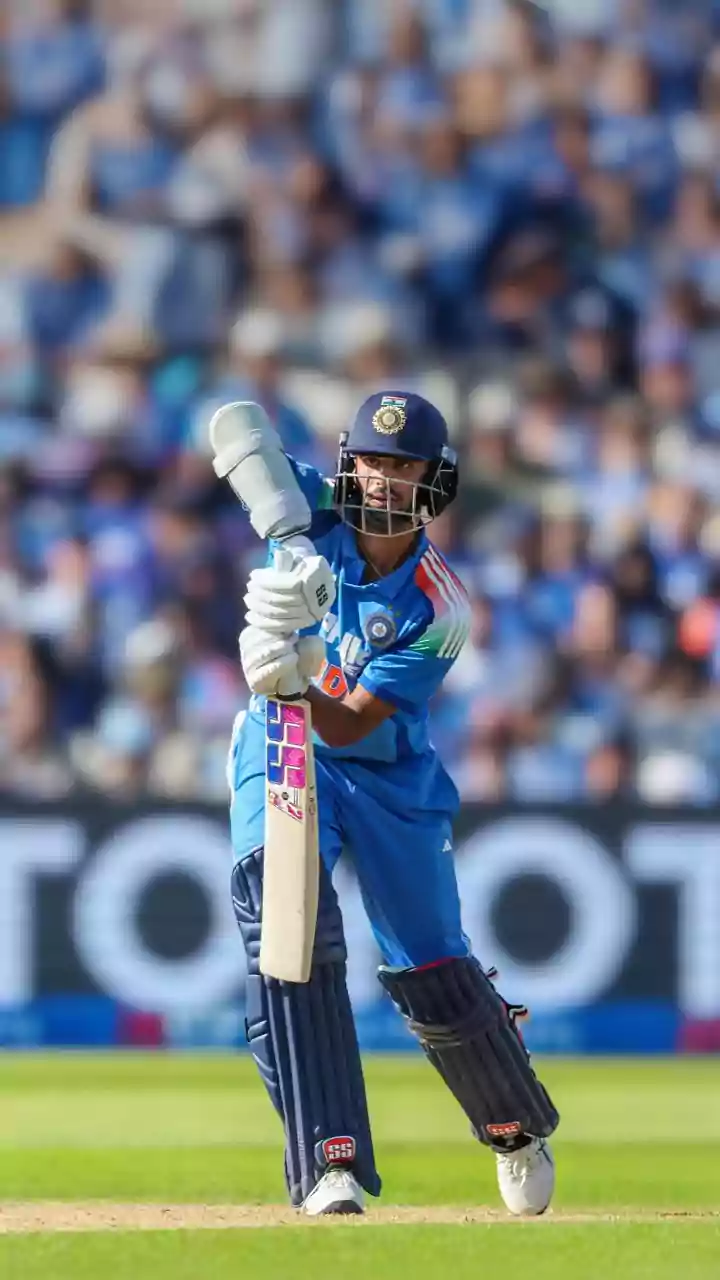
Colonial Roots and Early Innings
Cricket's journey in India began in the early 18th century, introduced by English sailors and traders from the East India Company. The first recorded match was played in 1721 in Cambay. For over a century, it remained a sport for British expatriates,
with the Calcutta Cricket Club being established in 1792. It wasn't until the mid-19th century that Indians began to formally adopt the game. The Parsi community in Bombay formed the Oriental Cricket Club in 1848, marking a pivotal moment where Indians started creating their own cricketing identity. This led to the prestigious Presidency matches, where Indian teams began competing against the Europeans, laying the groundwork for a competitive domestic structure.
The Birth of a National Team
The early 20th century saw cricket's popularity grow, evolving into a symbol of regional and community pride. The famous Bombay tournament expanded from a two-team affair into the Quadrangular, featuring teams of Parsis, Europeans, Hindus, and Muslims. This era also produced one of India's first global sports icons, Ranjitsinhji, an Indian prince who played for England and mesmerized the world with his innovative batting. His success helped popularise the game back home. The momentum led to the formation of the Board of Control for Cricket in India (BCCI) in 1928. Just a few years later, on June 25, 1932, India played its first official Test match at Lord's against England, becoming the sixth nation to earn Test status.
Post-Independence Pride and First Victories
After independence in 1947, cricket became a crucial vehicle for forging a new national identity. While early years were a struggle, the team registered its first-ever Test victory against England in Madras in 1952, almost 20 years after its debut. Later that year, India won its first Test series against neighbours Pakistan. These victories, though sporadic, were immensely significant. They were moments of collective joy and national assertion on the world stage, proving that an independent India could compete with and defeat its former colonizers and global powerhouses. The sport was slowly but surely weaving itself into the fabric of the new nation.
1983: The Year Everything Changed
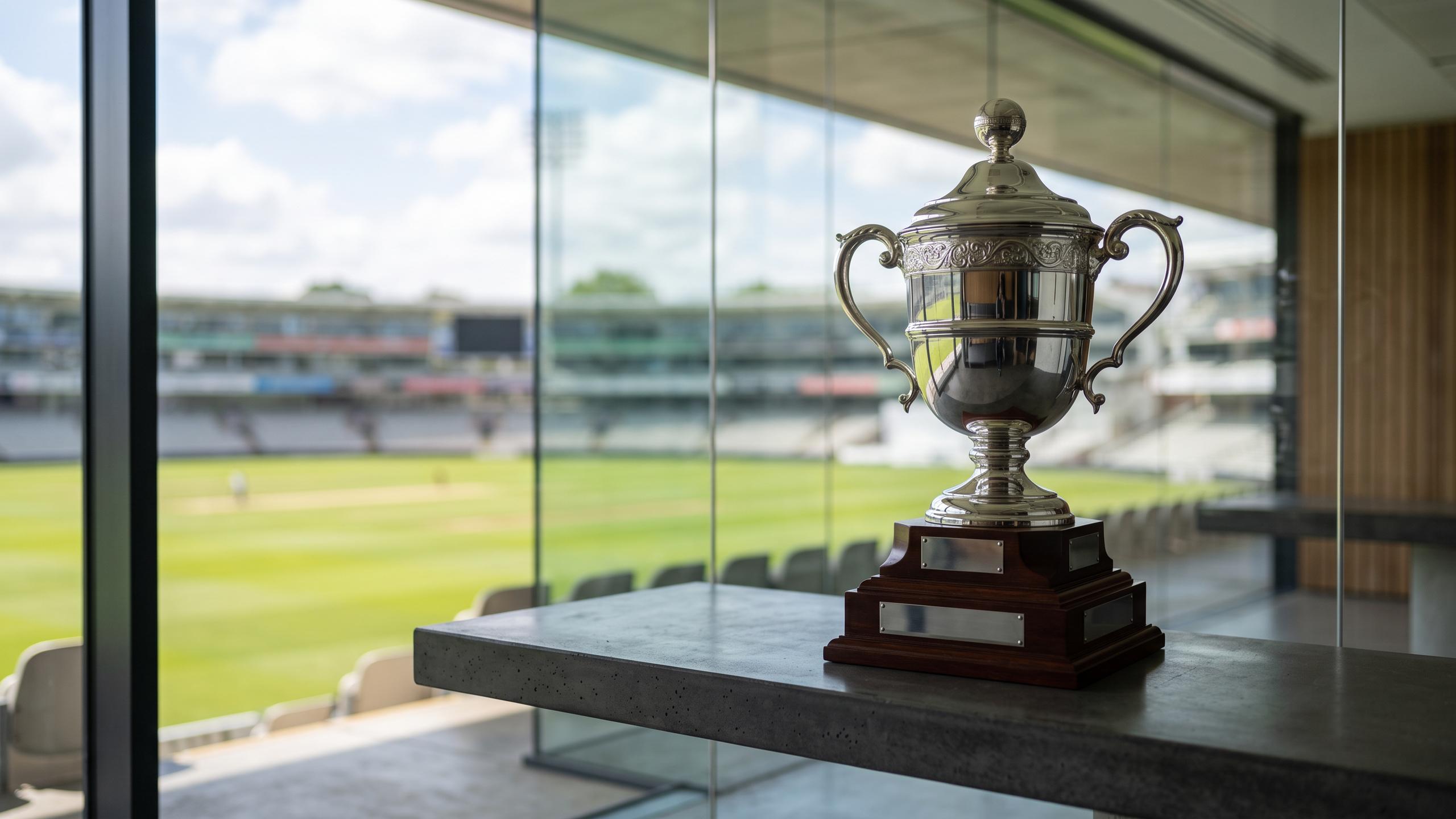
No single event had a greater impact on Indian cricket than the 1983 World Cup victory. Captained by the charismatic Kapil Dev, an underdog Indian team entered the tournament with 66-to-1 odds against them. Their journey to the final was improbable, and their victory over the seemingly invincible West Indies was nothing short of miraculous. Kapil Dev lifting the trophy at the Lord's balcony is an image etched into the nation's memory. This triumph transformed cricket from a popular sport into a national obsession. It sparked a belief that India could be the best in the world, inspired a generation of future players, and made the game a lucrative career.
The Tendulkar Era and Commercial Boom
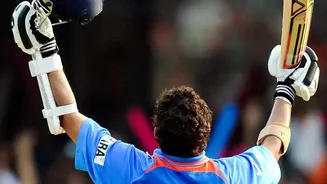
The 1990s and 2000s belonged to one man: Sachin Tendulkar. His debut in 1989 ushered in a new era of dominance and global superstardom. For two decades, Tendulkar carried the hopes of a billion people on his shoulders, becoming the face of Indian cricket and arguably its most beloved icon. His on-field genius coincided with India's economic liberalization, leading to a massive commercial boom for the sport. Television rights deals soared, corporate sponsorships flooded in, and cricketers became some of the country's biggest celebrities. The BCCI evolved into the richest and most powerful cricket board in the world.
The IPL Revolution and Modern Dominance
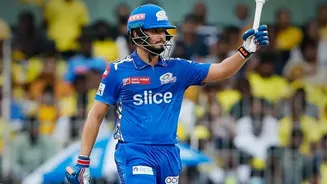
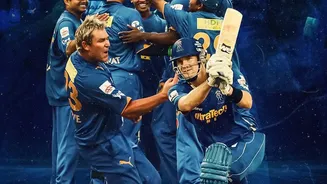
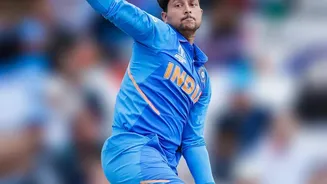
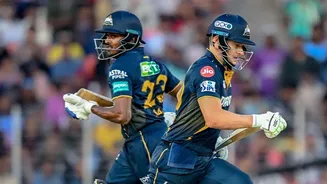
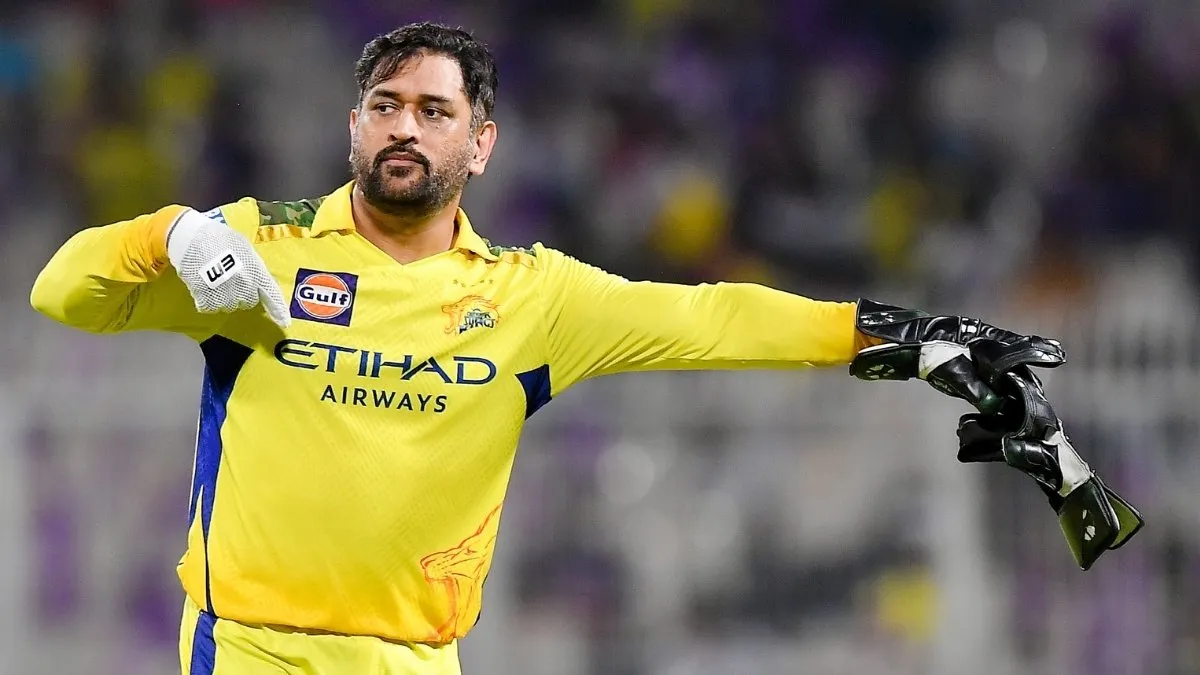
If the 1983 win made cricket a religion, the launch of the Indian Premier League (IPL) in 2008 turned it into a year-round festival. The T20 franchise-based tournament, which followed India's victory in the inaugural T20 World Cup in 2007, blended cricket with high-octane entertainment and staggering amounts of money. The IPL provided a platform for young Indian talent to play with and against the world's best, deepening the sport's talent pool. This modern era has been marked by sustained success, including a second ODI World Cup victory on home soil in 2011 under captain MS Dhoni and becoming a dominant force in all formats of the game.