



The Old Rules No Longer Apply
For decades, Indian holiday planning followed a predictable script. Trips were meticulously timed around public holidays, school vacations, and the ever-important long weekends. Destinations were chosen based on seasonal weather patterns, leading to packed
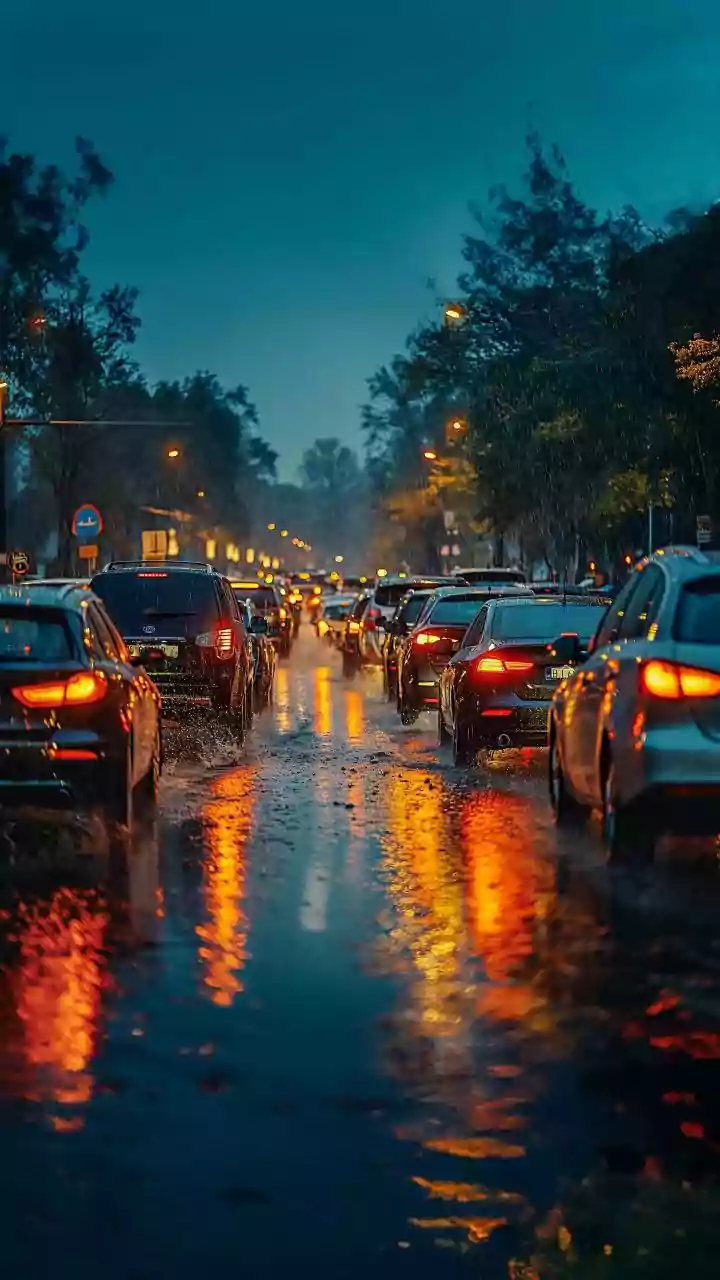
hill stations in the summer and crowded beaches in the winter. While these patterns haven't vanished entirely, they are no longer the rigid rules they once were. A significant shift is underway, driven by a desire to escape the very crowds that this traditional approach creates. Recent data shows that a majority of travellers are now actively choosing to travel during off-peak or 'shoulder' seasons specifically to avoid the rush, suggesting that peace and quiet are becoming the new luxury.
The Rise of the Flexible 'Workation'
One of the biggest catalysts for this change is the widespread adoption of flexible and remote work. The ability to work from anywhere has fundamentally untethered millions of professionals from their office desks. This has given birth to the 'workation'—a blend of work and leisure that allows people to extend their stays and travel on their own terms. Instead of a hurried three-day trip, professionals can now spend weeks or even a month in a new location, working during the day and exploring in the evenings and on weekends. This trend has turned places with good Wi-Fi and pleasant surroundings, from the mountains of Himachal Pradesh to the coasts of Goa, into year-round hubs for these new-age digital nomads.
It’s About the Experience, Not Just the Destination
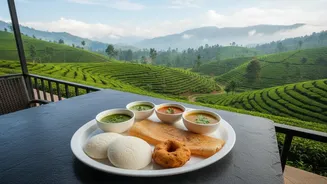
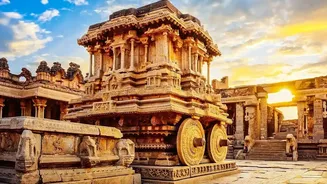
Perhaps the most profound change is in the 'why' of travel. A recent Skyscanner report revealed that an overwhelming 84% of Indian travellers are prioritising culture-led travel, planning trips around specific experiences rather than just places. Instead of asking "Where should we go?", the question is becoming "What should we do?". This experience-first mindset means people are building holidays around attending a specific festival like Durga Puja, exploring a region’s unique cuisine, or following a historical heritage trail. When the goal is to immerse oneself in a unique cultural event or learn a new skill, the time of year becomes secondary to the experience itself. This shift marks a move away from passive sightseeing toward more active, meaningful engagement.
Seeking Out the Undiscovered
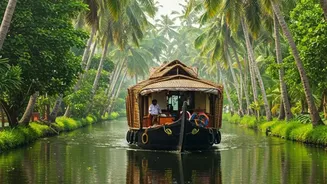
The desire to avoid crowds and seek authentic experiences is also redrawing the travel map of India. While classic destinations remain popular, there's a growing appetite for 'hidden gems' and offbeat locations. Google Travel Insights have shown a surprising dip in searches for traditionally popular spots, accompanied by a massive surge in interest for places in the Northeast and other less-travelled regions. This is the 'anti-itinerary' traveller at work—someone who deliberately leaves parts of their trip unplanned to allow for spontaneous discovery. They are trading famous monuments for local markets and five-star buffets for neighbourhood cafes, driven by the belief that the most memorable moments often happen when you stray from the beaten path.