







Why More Fibre Matters
Dietary fibre, or roughage, is the part of plant-based foods that your body can't digest. This might sound unimportant, but its role is crucial. Fibre helps regulate the body's use of sugars, keeping hunger and blood sugar in check. It slows down digestion,
which helps you feel full for longer, a key benefit for weight management. Furthermore, it is essential for good digestive health, promoting regular bowel movements and preventing constipation. A high-fibre diet supports the healthy bacteria in your gut and can contribute to lowering cholesterol levels. The good news is that traditional Indian eating patterns are naturally rich in fibre-friendly ingredients like legumes, whole grains, and vegetables.
Upgrade Your Grains
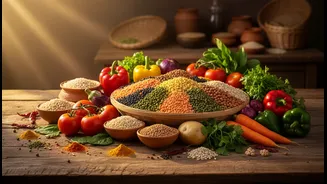
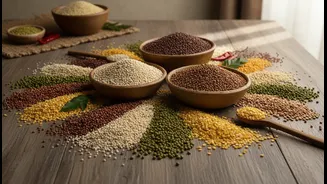
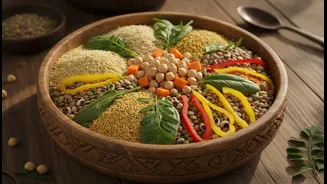
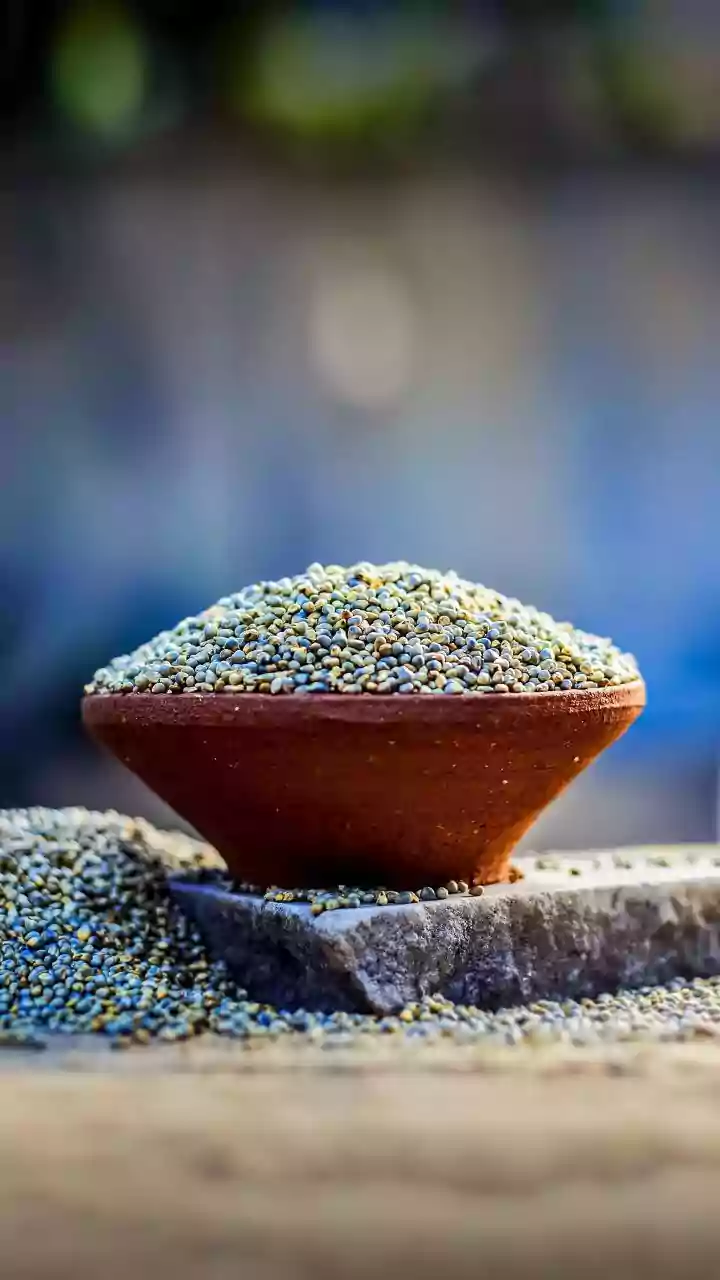
One of the simplest swaps is with your daily staples. Instead of white rice, consider using brown rice, which is higher in nutrients and fibre. Millets like jowar, bajra, and ragi are also excellent, fibre-packed alternatives that have been part of Indian kitchens for generations. You can use them to make khichdi, upma, or simply serve them as a side. When it comes to flatbreads, choose whole wheat flour (atta) over refined flour (maida) for your rotis and parathas. Reading the label is key; 'brown bread' isn't always whole grain, so ensure 'whole wheat flour' is the first ingredient. For an extra boost, you can even mix in flours made from oats or millets.
Power Up Your Pulses and Legumes
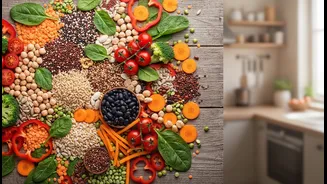
Dal is a cornerstone of Indian meals, and it's a fantastic source of fibre. To enhance this, try mixing different types of lentils instead of using just one. A combination of toor, masoor, and moong dal not only adds a complex flavour but also diversifies your nutrient intake. You can also add more legumes like chickpeas (chana), and kidney beans (rajma) to your diet. Incorporate them into salads, add them to meat stews, or make classic dishes like chana masala a more regular part of your week. Sprouted moong is another powerhouse, providing a dense combination of fibre and plant-based protein that keeps you satisfied.
Fill Up with Vegetables and Fruits
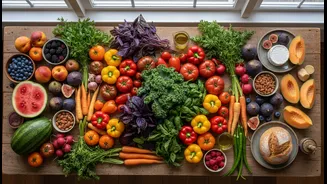
Vegetables are a non-negotiable part of a high-fibre diet. An easy way to increase your intake is to 'hide' them in your meals. Add grated lauki (bottle gourd), carrots, or spinach to your roti dough or dal. Instead of a single-vegetable sabzi, make a mixed vegetable curry. Starting your meal with a raw vegetable salad can also boost fibre intake and help curb overeating. When it comes to fruit, opt for eating the whole fruit instead of drinking its juice. Fruits like guavas, apples, pears, and bananas are rich in fibre, especially when eaten with their skin on. This simple habit provides more nutrients and keeps you feeling fuller.
Make Your Snacks Count
Snack time is a great opportunity to add more fibre to your day. Swap out processed snacks for healthier alternatives. A handful of roasted chana (chickpeas) or roasted makhana (fox nuts) are excellent choices that are high in fibre and protein. A bowl of sprouted moong salad, a fruit chaat, or a few nuts and seeds like almonds and flaxseeds can also be satisfying and nutritious options. Even popular breakfast items can be made healthier; for example, adding peas and peanuts to poha increases its fibre content.