

Your First Line of Defence: Rainwear
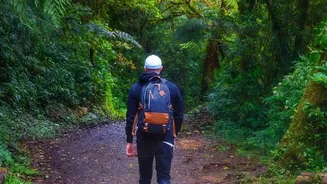
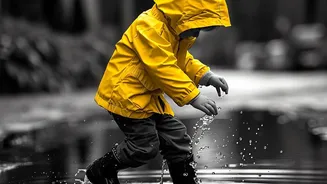
The most critical items in your monsoon kit are those that keep the water out. A high-quality poncho or a waterproof rain jacket is non-negotiable. A poncho has the advantage of covering both you and your backpack, offering a great shield against downpours.
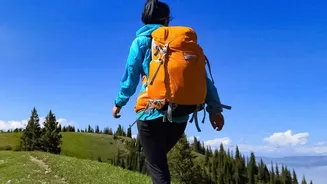
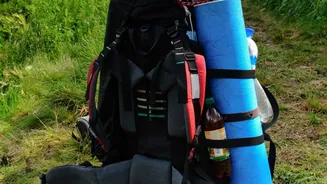
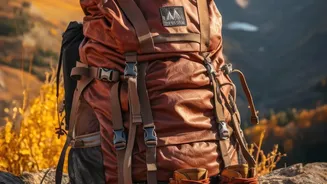
A rain jacket, on the other hand, provides better mobility on tricky paths. Look for a breathable jacket to avoid trapping sweat and heat. Your backpack itself needs protection. Even if it's water-resistant, invest in a dedicated rain cover that fits snugly over the entire bag. This combination of a personal rain shield and a pack cover is your primary defence against getting soaked.
Clothing: Quick-Dry is Key
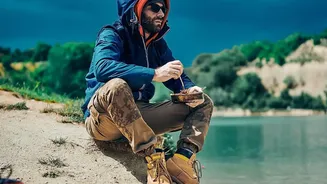
When it comes to clothing, one rule stands above all: avoid cotton. Cotton absorbs moisture, becomes heavy, and takes a very long time to dry, which can be uncomfortable and even dangerous in colder conditions. Instead, opt for synthetic materials like polyester or nylon for your t-shirts and trekking pants. These fabrics are 'quick-dry,' meaning they wick moisture away from your skin and dry rapidly. Pack at least two or three sets of quick-dry t-shirts and two pairs of trekking pants. Full-length trousers are preferable to shorts as they offer protection from leech bites, scratches, and insects. Layering with a fleece or a light synthetic jacket is also wise for evenings when temperatures can drop unexpectedly.
Footwear: Grip and Protection
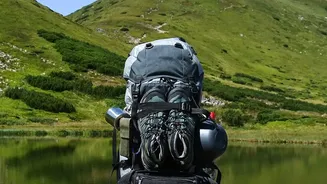
Your feet do the hardest work on a trek, and they need the right support, especially on slippery monsoon trails. Invest in a pair of waterproof trekking shoes with deep lugs for excellent grip on mud and wet rocks. Good ankle support is crucial to prevent twists and sprains on uneven terrain. Equally important are your socks. Carry multiple pairs of synthetic or wool-blend socks that dry quickly. Wet feet can lead to blisters and ruin a trek, so changing into a dry pair of socks after a long day is a huge morale booster. For trails in leech-infested areas, consider packing leech-proof socks as an added layer of protection.
Waterproofing Your Gear Internally
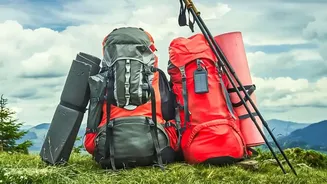
An external rain cover protects your backpack, but moisture can still seep in. The ultimate strategy is to waterproof your gear from the inside out. Use dry bags or stuff sacks to compartmentalise your belongings. Have separate dry bags for clothes, electronics, and your sleeping bag if you're camping. For smaller items like your phone, wallet, and power bank, simple zip-lock bags work wonders. It's a good practice to keep one set of clothes sealed in a dry bag, to be opened only when you reach your campsite for the night. This ensures you always have something warm and dry to change into, no matter how much it rained during the day.
Essential Accessories and Safety
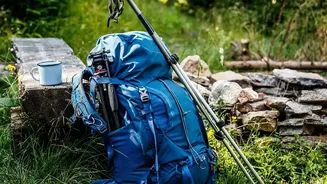
Beyond clothing and waterproofing, a few other items can make a huge difference. Trekking poles are highly recommended for providing stability on slippery descents and ascents. A headlamp with extra batteries is a must-have, as monsoon cloud cover can make it get dark surprisingly early on the trail. Your first-aid kit should be tailored for the monsoon. Include basics like antiseptic wipes and bandages, but also add salt or a sanitiser for leeches, anti-fungal powder for your feet, and water purification tablets. Finally, pack high-energy snacks like nuts and energy bars to keep you fuelled between meals.