







The Allure of the Health Halo
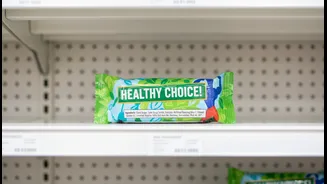
This phenomenon is known as the “health halo effect.” It’s a mental shortcut our brains take, where a single positive claim, like “low-fat” or “organic,” makes us perceive the entire product as healthy. Marketers know this works. It can lead us to overestimate
a product's overall healthfulness, ignoring other, less desirable attributes. Research shows that when an item has a positive health claim, consumers are less likely to check the full nutrition label and more likely to buy it, believing it's a better choice than it might be.
The Protein Bar Problem
Protein is essential for building muscle, supporting hormones, and staying full. This has led to a boom in high-protein snacks. However, adding protein to a product doesn't automatically make it healthy. Many protein bars, for example, are loaded with sugar, unhealthy fats, and processed fillers. One analysis of a popular peanut butter protein bar found it contained 13 grams of sugar—more than a third of an adult's daily maximum intake. It’s often just a candy bar in disguise, nullifying the benefits of the extra protein.
When 'Healthy' Claims Hide Unhealthy Truths
The protein bar isn't the only culprit. Think of “low-fat” products, which often compensate for the lack of fat by adding extra sugar and sodium to maintain flavour. Similarly, foods promoted for being high in fibre can sometimes contain high levels of sodium or sugar to make them more palatable. A product can be technically “sugar-free” but use artificial sweeteners or sugar alcohols, which can cause digestive issues for some people. These front-of-package claims can be distracting, drawing your attention away from what really matters: the complete nutritional profile.
How to Read a Label for True Balance
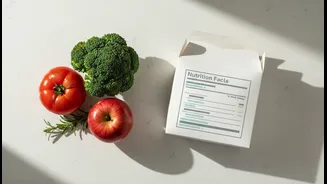
To get the full picture, you need to become a nutrition label detective. First, check the serving size at the top. All the numbers on the label, from calories to sugar, are based on that single serving, and many packages contain more than one. Next, scan the ingredients list. Ingredients are listed in descending order by weight. If sugar or a form of it (like corn syrup or dextrose) is one of the first few ingredients, it’s a red flag. Pay attention to the Percent Daily Value (%DV). A DV of 5% or less is considered low for a nutrient, while 20% or more is high. Aim for higher DVs in fibre and vitamins, and lower DVs for added sugars, sodium, and saturated fat.
Focus on the Whole, Not Just the Parts
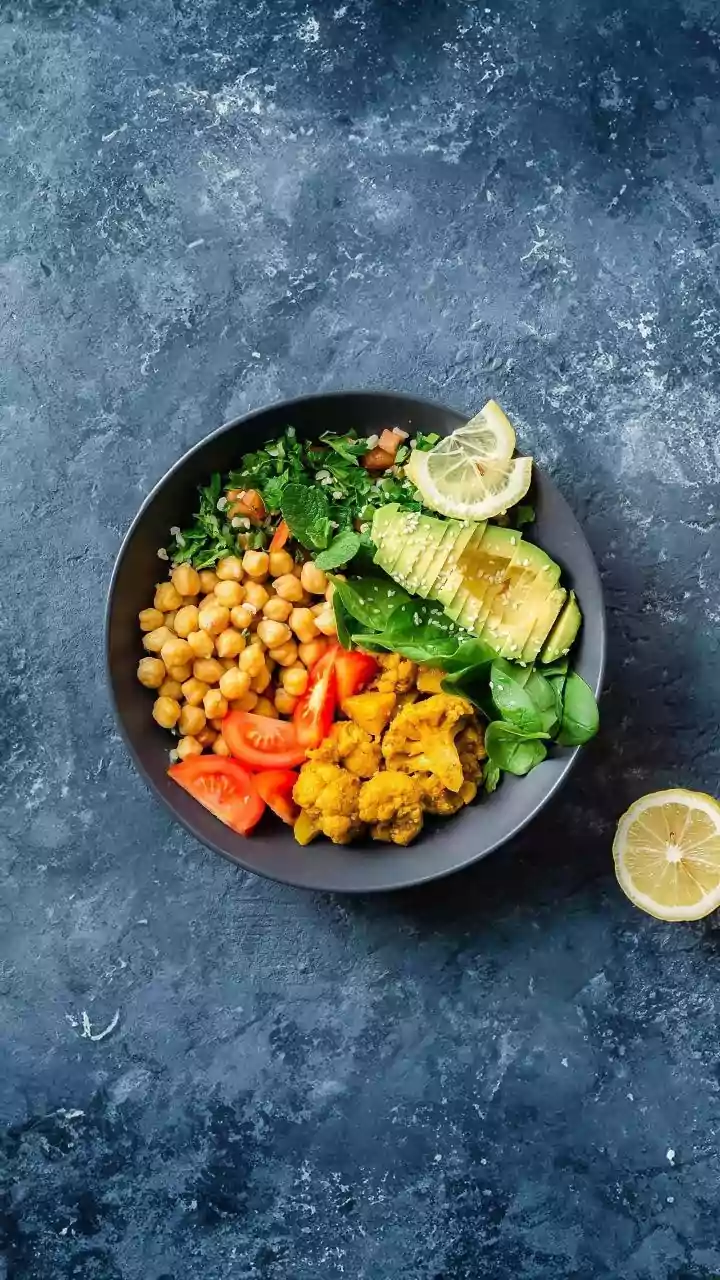
A truly healthy diet is about balance and variety, not obsessing over a single nutrient. Achieving balance means not consuming one nutrient at the expense of another. For example, while protein is important, your body also needs carbohydrates for energy and healthy fats for brain function. Rather than relying on processed foods with health claims, prioritise whole foods—fruits, vegetables, lean proteins, and whole grains. These are naturally nutrient-dense and don't come with long, confusing ingredient lists. A balanced plate is often recommended to be half fruits and vegetables, a quarter lean protein, and a quarter whole grains.