


The Shift from Feasting to Feeling Good
For generations, festive eating in India has been synonymous with abundance. From ghee-laden ladoos during Diwali to rich biryanis at Eid, to say “no” feels almost sacrilegious. Yet, a growing health consciousness is prompting a change in mindset. Instead
of completely avoiding beloved dishes, many are now adopting portion control to strike a balance between tradition and wellness. The goal is no longer to diet through the festive season but to indulge smartly, ensuring that joy and health can coexist on the same plate. This approach avoids the feeling of deprivation, which can often lead to overeating later.
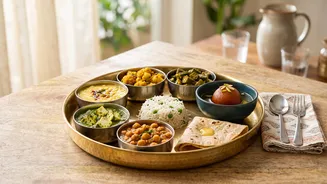
The Small Plate and 'Thali' Method
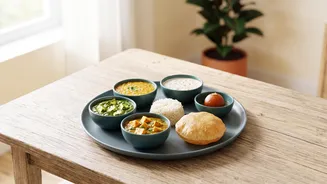
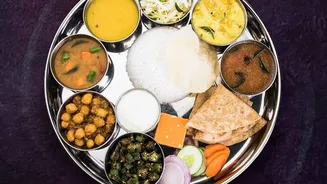
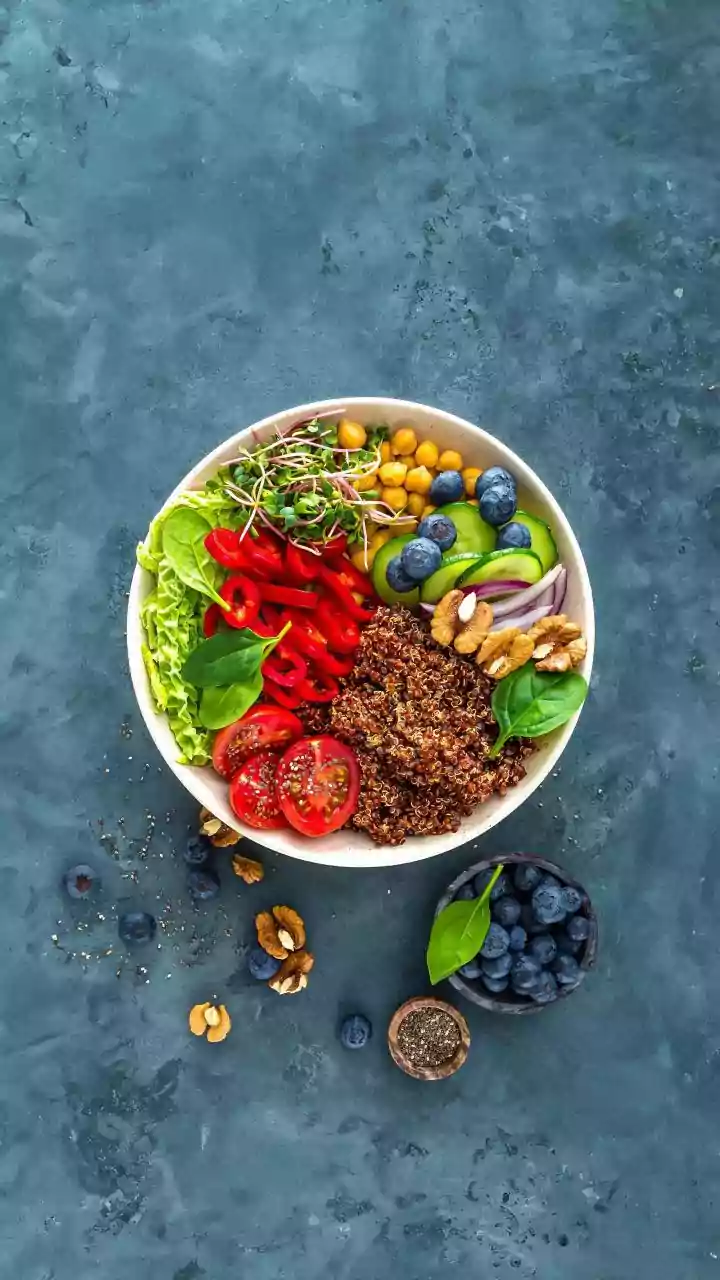
One of the most effective strategies is also the simplest: using smaller plates. A standard dinner plate, rather than a large traditional thali, can visually trick the brain into feeling satisfied with less food. Nutritionists also recommend the 'plate method' for building a balanced meal. The rule of thumb is to fill half your plate with vegetables or salad, a quarter with a protein source like dal, paneer, or lean meat, and the final quarter with carbohydrates such as rice or roti. This ensures you get essential fibre and protein, which help you feel full and prevent you from overindulging in richer, calorie-dense items.
Navigating the Sweet Trap
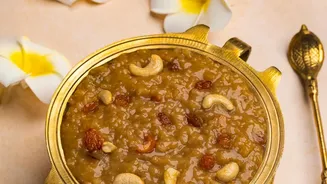
Sweets are an inseparable part of Indian celebrations, but they are also a major source of sugar and calories. Rather than an all-or-nothing approach, experts suggest a 'one-sweet rule'. This involves choosing the one mithai you truly love and savouring it mindfully, instead of sampling everything on the table. Eating each bite slowly allows you to appreciate the flavour and texture, which can lead to greater satisfaction from a smaller amount. When making sweets at home, simple swaps like using jaggery or dates instead of refined sugar, or baking instead of deep-frying, can make a significant difference.
Smart Snacking and Hydration
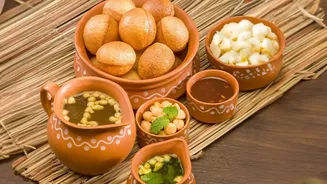
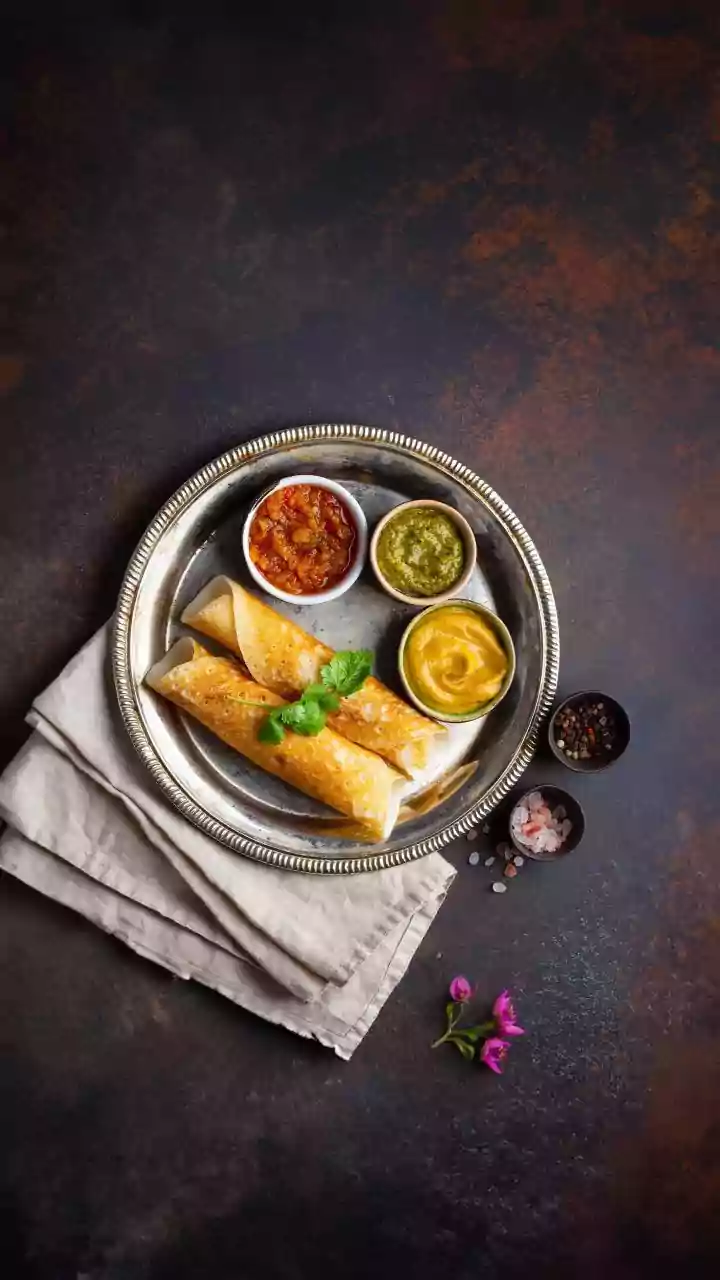
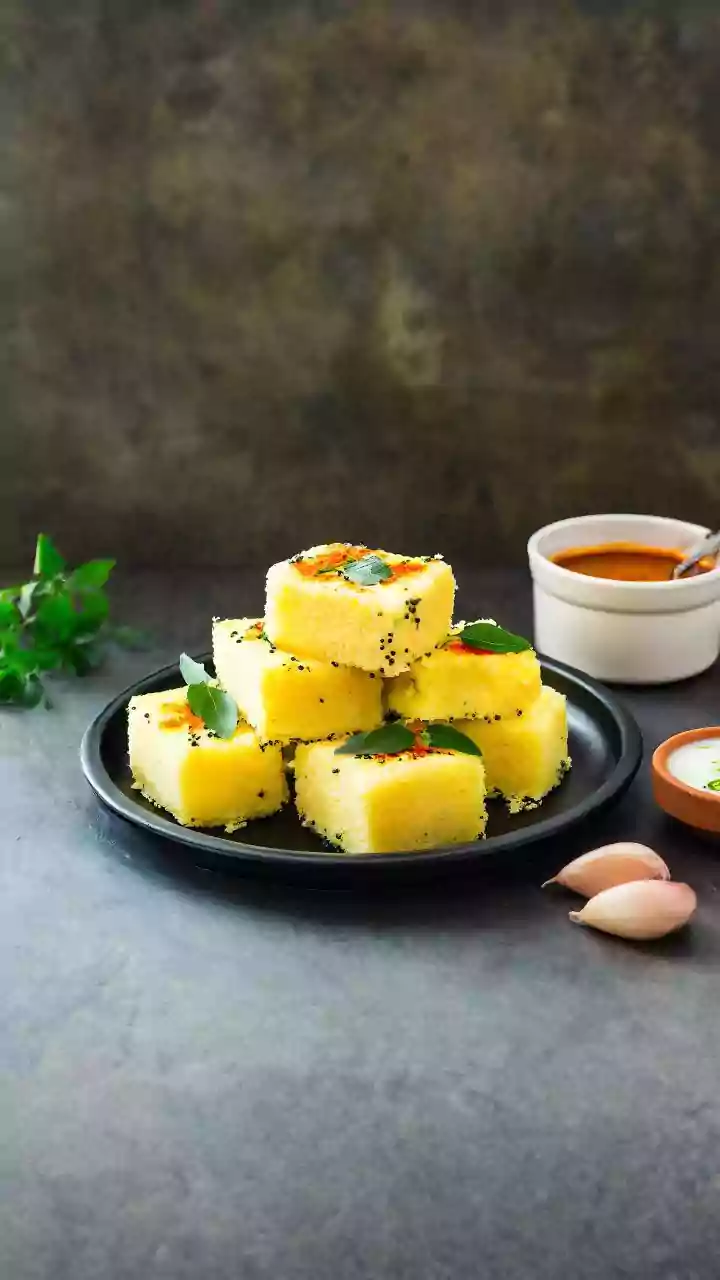
Festive gatherings are often filled with fried snacks that are hard to resist. A helpful trick is to have a small, healthy snack before heading to a party. Arriving with a curbed appetite makes it easier to eat in moderation. Prioritising baked, steamed, or air-fried options over deep-fried ones is another smart choice. Equally important is staying hydrated. Thirst is often mistaken for hunger, so drinking plenty of water throughout the day can prevent unnecessary snacking. Having a glass of water before a meal can also create a sense of fullness, helping you manage your portions more effectively.
Mindful Indulgence is Key
Ultimately, the trend is about mindful eating—paying attention to your body's hunger and fullness signals. It means eating slowly, chewing thoroughly, and truly tasting your food without distractions like your phone or the television. This practice helps your brain register when you are satisfied, not stuffed. It’s about ditching the guilt and embracing a balanced approach. Instead of compensating for a heavy meal by skipping the next one, the better strategy is to simply return to your regular, lighter meals the following day. Consistency is more important than short-term, extreme measures.