




The Allure of Barefoot Hiking
Devotees of barefoot hiking often speak of its transformative benefits. A primary advantage is the enhanced sensory experience; feeling the coolness of moss, the warmth of sun-baked earth, or the texture of a pine-needle path creates a profound connection
to the environment. This heightened awareness, often called 'grounding' or 'earthing', is believed by some to reduce stress and improve mood. Beyond the mental benefits, going shoeless can improve your body's mechanics. Without the rigid support of traditional boots, the small, often-neglected muscles in your feet and legs are activated, which can lead to stronger feet, better balance, and improved posture over time. This direct feedback from the ground enhances proprioception—your body's awareness of its position in space—allowing you to react more quickly to changes in terrain and potentially reducing the risk of injury.
Acknowledge the Real Risks
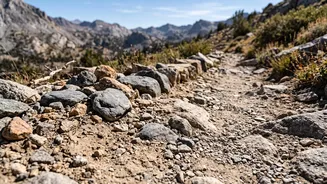
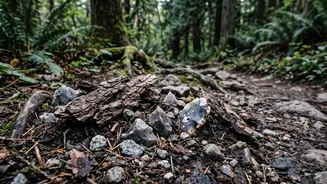
While the benefits are appealing, the risks of barefoot hiking are significant and should not be underestimated, especially for beginners. The most obvious danger comes from the terrain itself. Sharp objects like glass, thorns, or jagged rocks can cause cuts, puncture wounds, and bruises. Beyond visible hazards, surfaces can hide dangers; hot sand or sun-baked rock can cause burns, and unseen bacteria or fungi in the soil can lead to infections like athlete's foot if the skin is broken. Furthermore, feet that have spent years protected by cushioned shoes are not prepared for the repetitive impact of hard surfaces. This can lead to stress-related issues, muscle fatigue, and pain in the feet and calves as they adapt. It is a process of conditioning that takes time, and pushing too hard too soon is a common mistake that can lead to injury.
How to Start Your Journey Safely
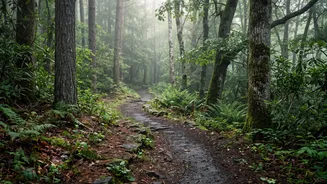
The key to a successful transition to barefoot hiking is to start slowly and listen to your body. Do not attempt a long, rugged trail for your first outing. Instead, begin by walking barefoot in safe, controlled environments like your backyard, a sandy beach, or a grassy park. This allows the soles of your feet to begin the long process of toughening up and helps your muscles adapt. When you do move to a trail, choose one with soft, predictable surfaces like compacted dirt or forest floors. Start with very short distances—perhaps just one or two kilometers—and see how your feet feel during and after. A tingling sensation is normal, but pain is a sign to stop. Gradually increase your distance and the variety of terrain over a period of weeks or even months.
Watch Your Step, Literally
Barefoot hiking demands a different way of walking. Instead of the heel-first strike common with cushioned shoes, you should aim to place your weight more on the ball of your foot. This acts as a natural shock absorber. It’s also crucial to always watch the path a few paces ahead of you to plot a safe course. Never shuffle or drag your feet, as this dramatically increases the risk of cuts and scrapes. Instead, step straight down, and be prepared to retract a step if the ground feels uncertain, especially on surfaces like leaves or grass that can hide objects from view. This mindful way of walking not only protects your feet but also deepens your engagement with the trail.
Essential Gear for the 'Un-Geared' Hiker
Going barefoot doesn't mean going unprepared. In fact, carrying a few key items is even more critical. First and foremost, always pack a backup pair of footwear. This could be a pair of minimalist sandals or lightweight trail shoes that you can slip on if the terrain becomes too aggressive or if you sustain an injury. Your first-aid kit should also be tailored for foot care. Include essentials like antiseptic wipes to clean any cuts, assorted bandages, moleskin for hotspots or blisters, and a good pair of tweezers for removing splinters or thorns. Clean your feet thoroughly after every hike to check for injuries and prevent infection.