



Before You Go: Smart Planning
A safe monsoon trip begins long before you turn the ignition. Start by choosing your destination and route wisely. Avoid areas prone to landslides or severe flooding. Check the weather forecast for your entire route, not just the destination, using reliable
apps. The government's MAUSAM app and others like Skymet Weather provide detailed forecasts and warnings for different parts of India. It's also crucial to inform a friend or family member of your itinerary and expected arrival time. Map out your trip to include driving only during daylight hours, as visibility can drop dangerously after dark.
The Pre-Trip Vehicle Health Check
Your car is your most important asset on a monsoon journey, and it needs to be in top condition. The most critical checks involve visibility and grip. Inspect your tyres to ensure they have adequate tread depth—at least 3mm is recommended to prevent skidding on wet surfaces. Don't forget to check the pressure, including the spare. Next, test your windscreen wipers; if they leave streaks or make noise, replace the blades. Ensure all lights—headlights, taillights, brake lights, and indicators—are clean and functioning perfectly. Finally, have a mechanic inspect your brakes for responsiveness and test your battery, as the increased use of lights, wipers, and AC puts extra strain on it.
Driving Safely on Wet Roads
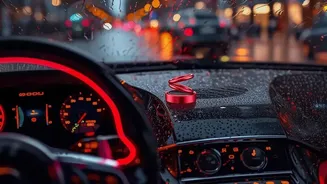
Driving in rain requires a shift in technique. The cardinal rule is to slow down, as wet roads can significantly increase your vehicle's stopping distance. Maintain at least double your usual following distance from the car in front. Never use cruise control on wet roads, as it can cause you to lose control if you hit a patch of water. Use your low-beam headlights even during the day to improve your visibility to others. Be especially cautious on bridges and overpasses, and remember that painted lines on the road become extra slippery when wet. If you feel the car starting to hydroplane, or slide on a layer of water, ease off the accelerator and steer gently in the direction you want to go without braking suddenly.
Deciding on Waterlogged Roads
Encountering a flooded road is one of the biggest risks. The golden rule is: when in doubt, turn around. It's often impossible to judge the depth of standing water, which can hide deep potholes or debris. As a general guideline, never attempt to drive through water that is higher than the center of your wheels. If you must proceed, do so by driving slowly in a low gear while keeping the engine revs high to prevent water from entering the exhaust pipe. If your car stalls in water, do not try to restart the engine. This can cause catastrophic damage, a condition known as hydrolock. It is safer to abandon the vehicle and move to higher ground if you can do so safely.
Packing Your Monsoon Emergency Kit
A well-stocked emergency kit is non-negotiable for a monsoon trip. Beyond a standard first-aid kit, your monsoon-specific kit should include a few extra items. Pack a powerful flashlight with extra batteries, a high-visibility reflective vest, and waterproof ponchos. Non-perishable snacks like energy bars and nuts, along with plenty of drinking water, are essential in case you get stranded. It's also wise to carry a portable tyre inflator, a basic toolkit, and jumper cables. Finally, ensure you have waterproof bags or pouches to protect your electronic devices like phones and power banks.