





The Rules on Your Side
Many Indian flyers are unaware of the robust set of rules designed to protect them. These aren't just airline policies; they are legally binding regulations laid out by the Directorate General of Civil Aviation (DGCA) in its Passenger Charter. These rules,
primarily under a regulation known as CAR Section 3, Series M, Part IV, mandate how airlines must care for passengers during delays, cancellations, and cases of denied boarding. Knowing these rules can be the difference between a miserable wait and receiving the care, refund, or compensation you are owed. Recent updates in 2026 have further strengthened these rights, particularly around refunds, making this information more critical than ever.
When Your Flight Is Delayed
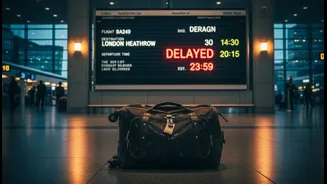
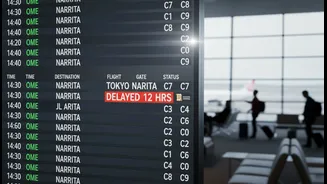
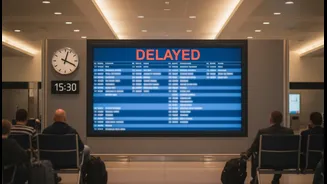
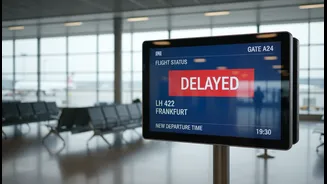
A delay is the most common travel headache, but your entitlements kick in sooner than you might think. If your flight is delayed by two hours or more, the airline is obligated to provide you with free meals and refreshments appropriate for the time of day. If the delay extends overnight (typically defined as a delay of over six hours for flights scheduled between 8 p.m. and 3 a.m.), the airline must provide you with free hotel accommodation and transport to and from the airport. For certain domestic flight delays, you may also be entitled to financial compensation ranging from ₹5,000 to ₹20,000, depending on the original flight's scheduled duration and the length of the delay. The key is that these are not goodwill gestures; they are your rights.
If Your Flight Gets Cancelled
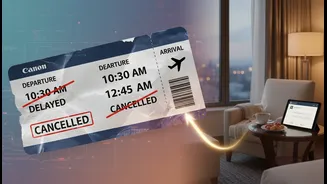
A cancellation notice can throw your entire trip into chaos. Your rights in this situation depend on when you were informed. If the airline cancels your flight without notifying you at least two weeks in advance, you are entitled to a choice: either an alternate flight or a full refund. If the cancellation is announced less than 24 hours before departure, you are entitled to compensation on top of a refund or rebooking. This compensation can be up to ₹10,000 for domestic flights, depending on the flight’s scheduled duration. Thanks to new rules effective in March 2026, airlines are now directly responsible for processing refunds within 14 working days, even if you booked through a travel agent.
The Fine Print: Bad Weather and 'Extraordinary Circumstances'
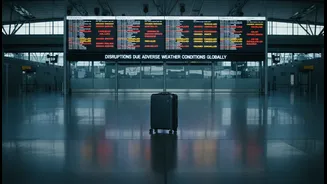
Airlines are often exempt from paying financial compensation when disruptions are caused by circumstances beyond their control, known as 'force majeure' events. This includes things like severe weather, air traffic control restrictions, and political instability. The current monsoon season, for instance, means weather-related delays are common. However, this clause does not absolve the airline of its 'duty of care'. Even if a storm grounds your flight and you aren't eligible for cash compensation, the airline is generally still required to provide you with meals during the delay and hotel accommodation for overnight waits. This is a crucial distinction that many passengers miss.
Denied Boarding from Overbooking
Airlines sometimes sell more seats than are on the plane, banking on a few passengers not showing up. If you are involuntarily bumped from a flight due to overbooking, you are entitled to significant compensation. The DGCA mandates that airlines pay up to 400% of your one-way base fare plus fuel surcharge, with a maximum payout of ₹20,000. Before bumping anyone involuntarily, the airline must first ask for volunteers willing to give up their seats in exchange for benefits. Only if there are not enough volunteers can they deny boarding to a confirmed passenger.
How to Actually Claim Your Rights
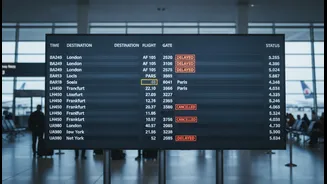
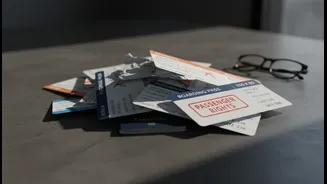
Knowledge is only powerful if you use it. If you face a disruption, first approach the airline's staff at the airport or contact their customer service. State the situation and calmly explain the entitlement you are seeking, whether it's a meal voucher, hotel stay, or refund. Document everything: keep your boarding pass, take photos of the departure board, and save all communication from the airline. If the airline fails to provide the required assistance, you can escalate the issue. The first step is their internal grievance redressal system. If that fails, you can file a complaint on the government's AirSewa portal or, as a last resort, approach a consumer dispute redressal commission.