


The Magic of the Rain Shadow
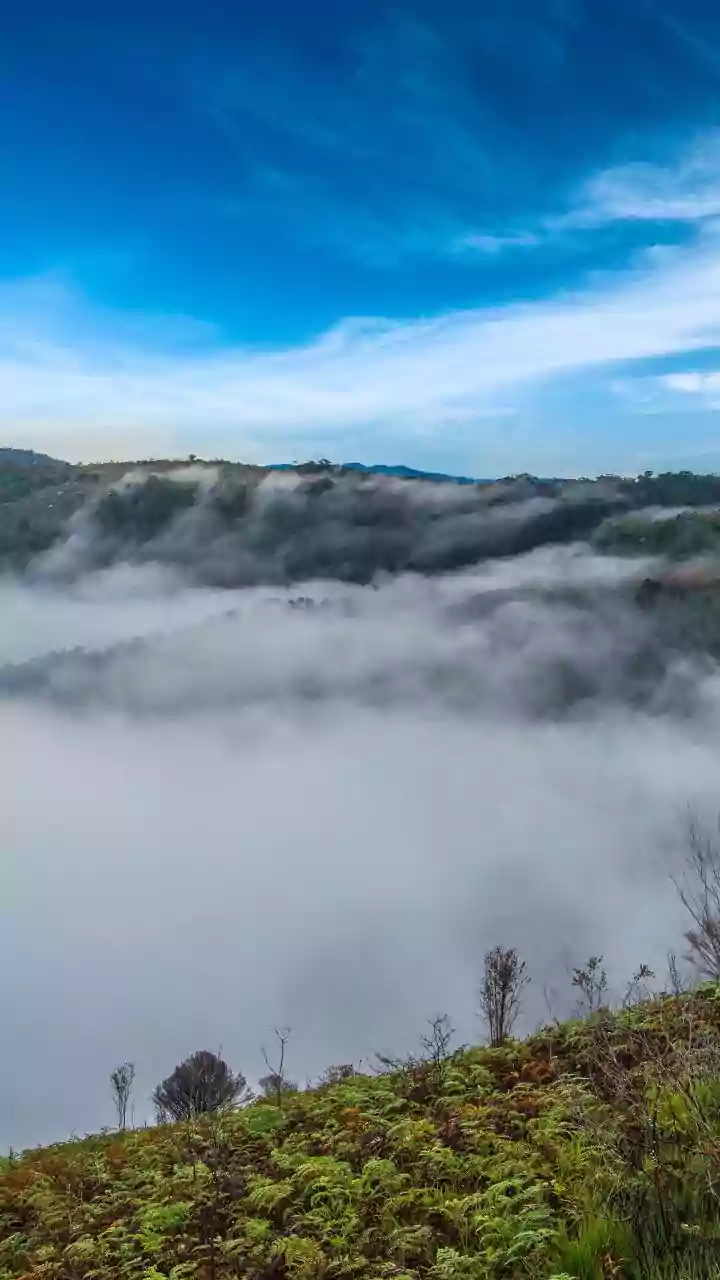
The single most important reason Ladakh is a brilliant monsoon destination is a simple geographical marvel: it lies in a rain shadow. The towering Himalayan ranges to its south act as a formidable barrier, preventing the moisture-laden monsoon clouds
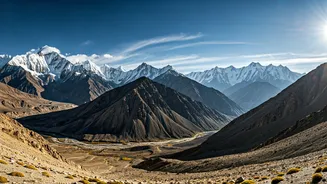
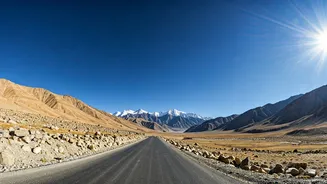
from reaching this high-altitude cold desert. While cities across the plains and hills grapple with humidity and rain, Leh and its surrounding valleys are bathed in bright, uninterrupted sunshine. This results in crisp air, deep blue skies, and excellent visibility, creating a dramatic and welcome contrast to the weather patterns elsewhere in the country.
Lush Landscapes and Vivid Colours
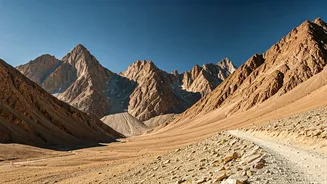
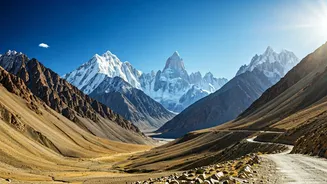
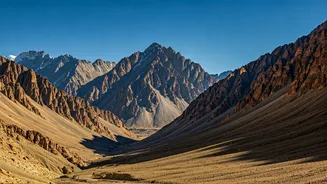
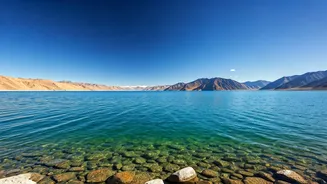
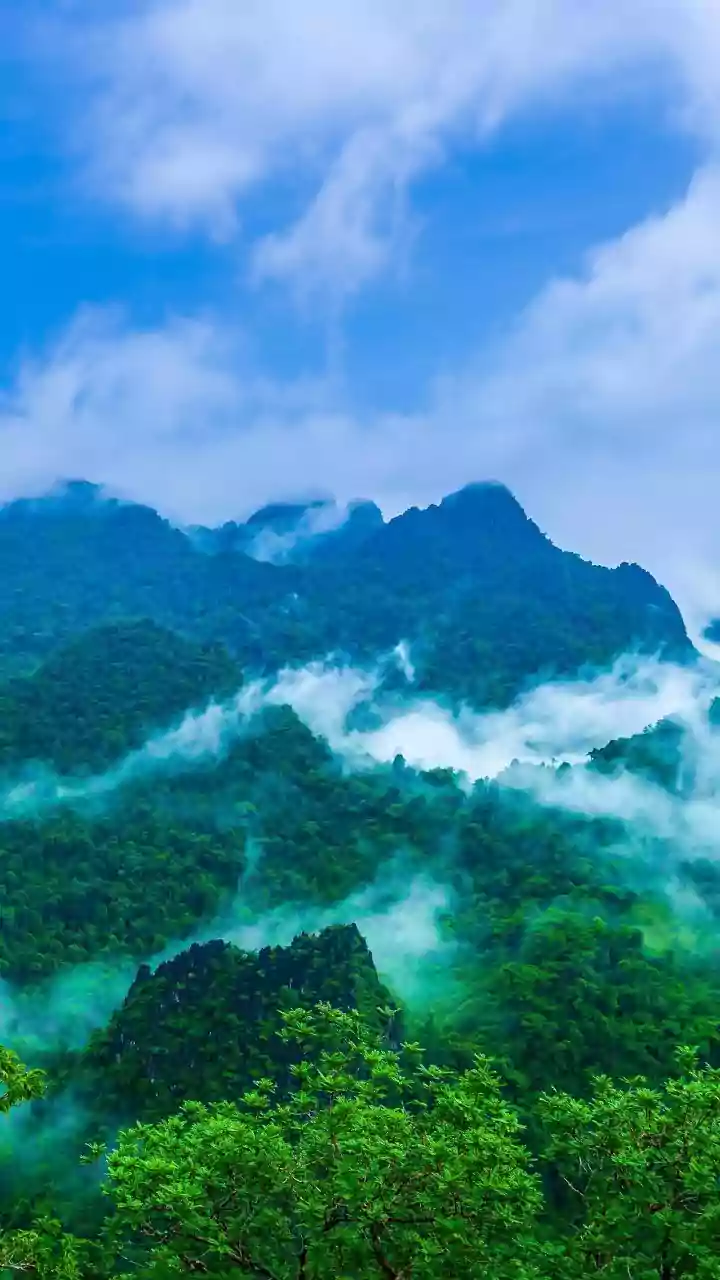
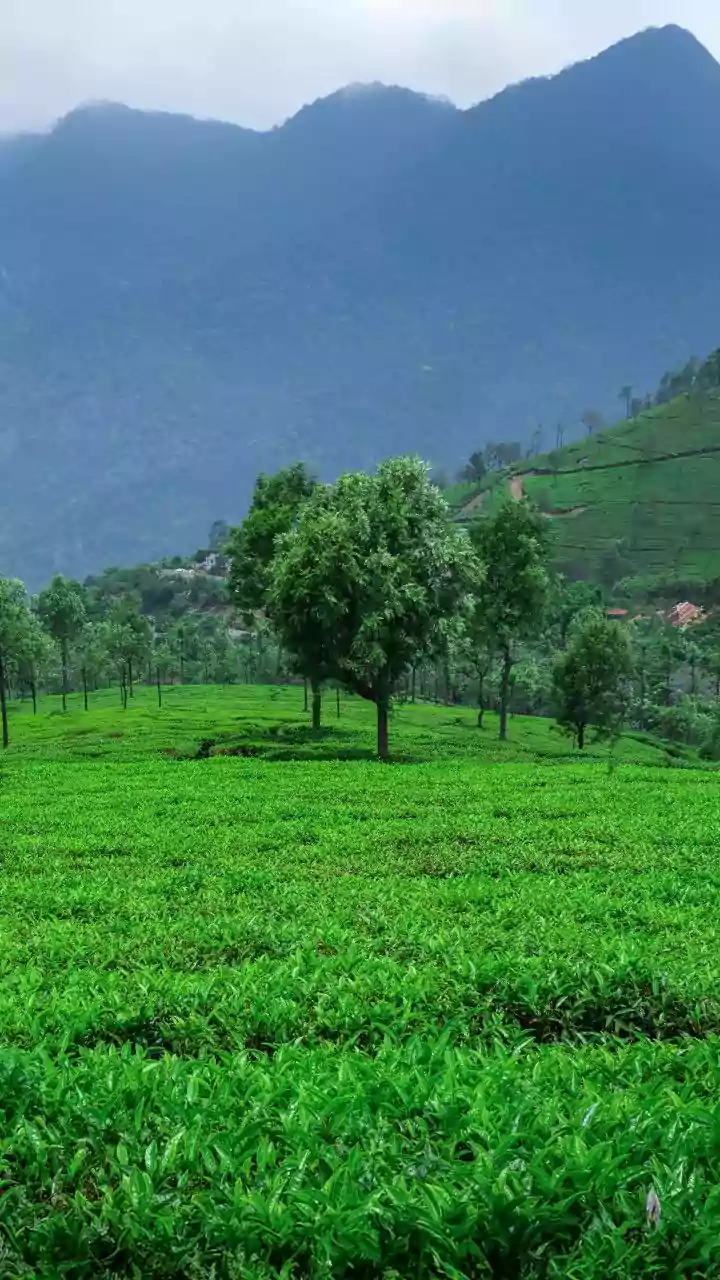
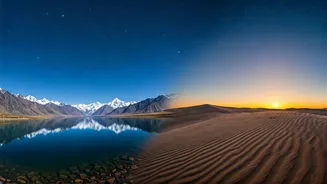
The word ‘desert’ often conjures images of a barren, lifeless landscape. But in Ladakh, the summer months—which coincide with India’s monsoon—paint a completely different picture. The glacial meltwater swells the Indus and Zanskar rivers, breathing life into the valleys. Nubra Valley, famous for its dunes and double-humped camels, reveals lush patches of green vegetation and sea buckthorn groves. The apricot trees, though their blossoms are gone by this time, are heavy with fruit. Against the backdrop of stark, brown mountains, these pockets of vibrant green and the brilliant blue of the rivers and lakes like Pangong Tso create a visual spectacle of stunning contrasts.
Peak Season for Roads and Adventure
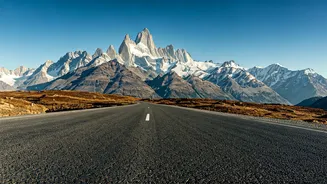
For adventure seekers and road trip enthusiasts, this is the best time to be in Ladakh. The iconic highways connecting the region to the rest of India—the Srinagar-Leh highway and the Manali-Leh highway—are fully operational and generally in their best condition. High mountain passes like Khardung La, Chang La, and Zoji La are clear of snow, making road travel accessible and breathtaking. This is also the prime season for trekking. Trails that are snowbound for most of the year, such as the Markha Valley trek or the journey to Stok Kangri base camp, are open and offer hikers an unparalleled opportunity to explore the region’s raw beauty on foot. River rafting on the Zanskar and Indus also becomes a popular, thrilling activity.
A Calendar of Cultural Festivities
Summer in Ladakh is synonymous with vibrant cultural life. Many of the region's most important monastic festivals, or 'Tsechus', are held during these months. These ancient festivals are a riot of colour, music, and spirituality, offering a profound glimpse into Ladakhi Buddhism. The Hemis Tsechu, one of the most famous, often falls in June or July and features masked dances (chaam) performed by monks in ornate costumes. Other major festivals like those at Phyang and Korzok monasteries also take place during this period, drawing locals and travellers alike for days of celebration and religious observance. Planning your trip around one of these festivals adds an unforgettable cultural dimension to your journey.
A Photographer’s Dream Come True
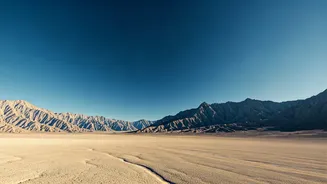
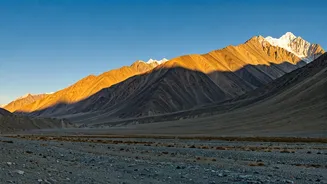
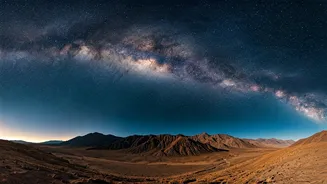
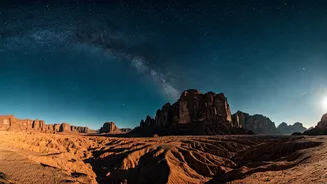
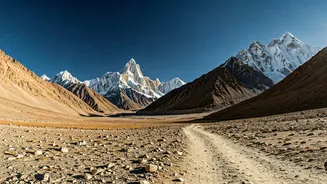
The combination of clear skies, sharp sunlight, and dramatic landscapes makes Ladakh a photographer’s paradise in summer. The light is clean and harsh, carving deep shadows that accentuate the texture and scale of the mountains. The deep blue of the sky is so intense it barely seems real. Sunsets and sunrises paint the barren peaks in hues of gold and orange. And once the sun goes down, the lack of cloud cover and minimal light pollution reveals a breathtaking celestial show. The Milky Way stretches across the night sky with a clarity that is simply impossible to witness from a city, offering incredible opportunities for astrophotography.