



What Exactly is Fermented Rice Water?
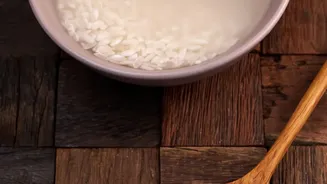
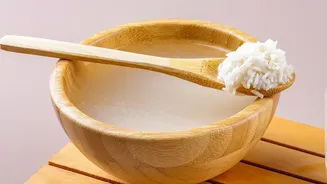
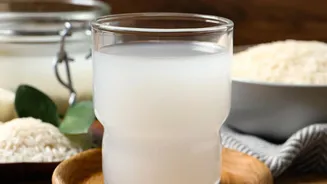
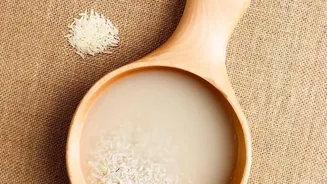
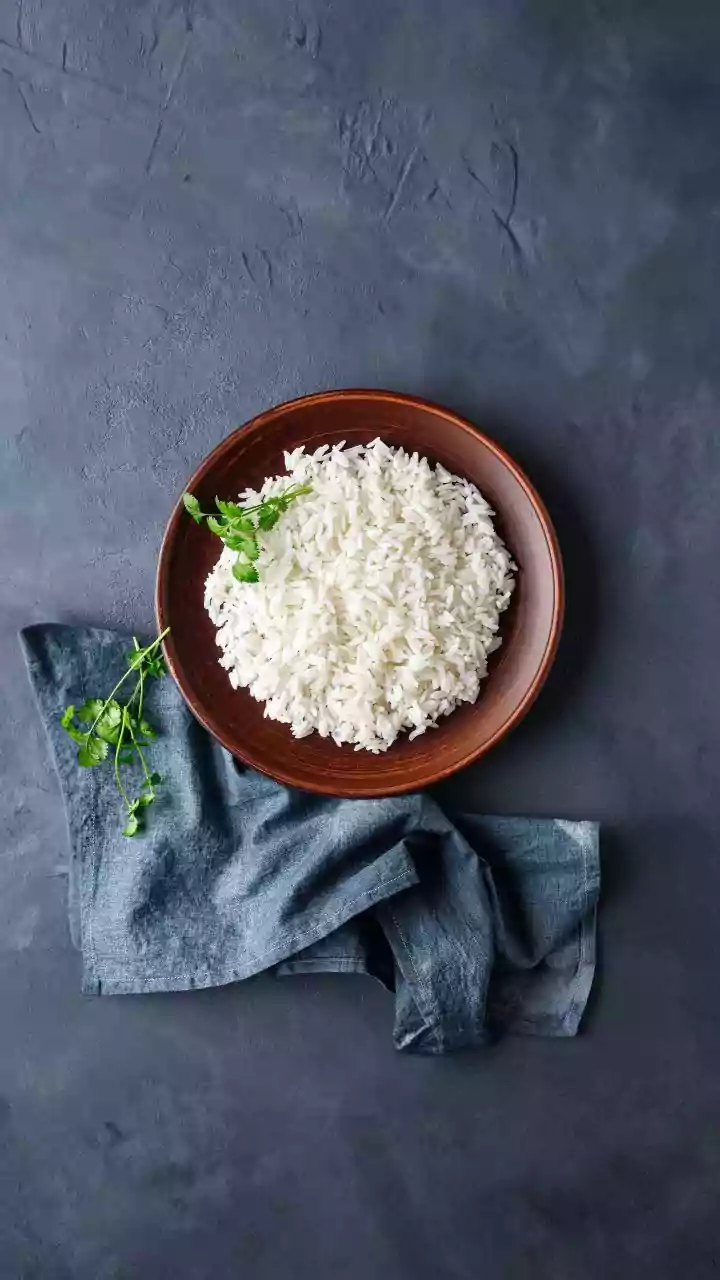
At its core, fermented rice water is the starchy liquid left over after soaking or boiling rice. Instead of being discarded, this water is set aside for one to two days to ferment, a process where naturally occurring microbes break down starches and proteins.
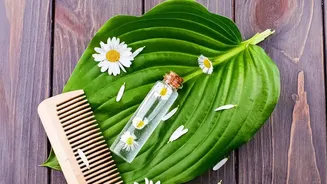
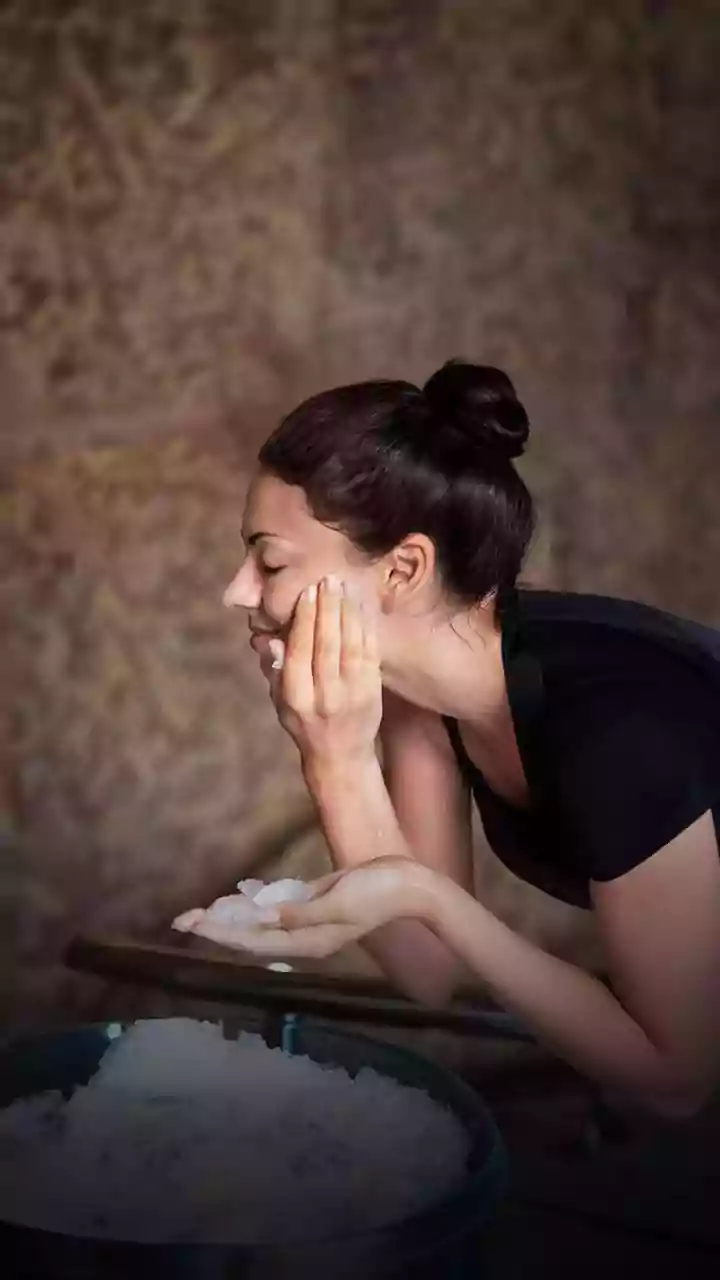
This tradition has deep roots in Asian cultures, particularly in China and Japan, where women have used it for centuries. The famed long, dark hair of the Yao women in China's Huangluo village is often credited to their ritual of washing it with fermented, and often herb-infused, rice water. The fermentation process is key, as it lowers the water's pH and is believed to enrich it with nutrients.
The Claim: A Holy Grail for Hair
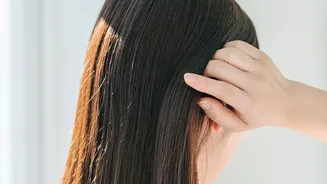
The primary claim is that rice water, especially when fermented, strengthens hair, enhances shine, and promotes growth. The science behind this points to a carbohydrate called inositol, which is present in rice water and can penetrate damaged hair to repair it from within. Fermentation also enriches the water with amino acids and vitamins B and E, which are essential for hair health. Historically, women in Japan's Heian period were said to have floor-length hair by combing it with rice water. However, while the anecdotal evidence is compelling, the scientific backing is thin. Most research has focused on rice bran extract, not rice water itself, and has been limited to animal or lab studies. Dermatologists suggest that while a rice water rinse is a low-risk experiment that may reduce friction and add a temporary sheen, there's no clinical evidence it can accelerate hair growth from the follicle. Overuse can also lead to protein overload for some hair types, causing stiffness and breakage.
The Claim: A Probiotic Powerhouse for the Gut
More recently, wellness influencers have started promoting the consumption of fermented rice water for gut health. The logic seems sound: fermentation creates beneficial bacteria, or probiotics, similar to yogurt or kimchi. In some cultures, fermented rice gruel is a traditional food known to be gentle on the stomach. Proponents claim it can improve digestion, reduce bloating, and balance the gut microbiome. However, this is where the trend takes a risky turn. Unlike commercially produced fermented foods, a homemade batch of fermented rice water is an uncontrolled environment. There's a significant risk of cultivating harmful bacteria alongside the good, which can lead to food poisoning and other gastrointestinal issues. While some studies show that controlled fermentation of rice can produce probiotics and beneficial postbiotics (the byproducts of fermentation), these findings do not endorse drinking unregulated, home-fermented liquid. Health experts strongly caution against this practice due to the lack of safety data and the potential for contamination.
The Verdict: Tradition vs. Trend
So, should you incorporate fermented rice water into your routine? The answer depends entirely on how you plan to use it. For hair, it appears to be a relatively safe, inexpensive treatment that has centuries of tradition behind it. It may temporarily improve your hair's texture and shine, and for some, it might help reduce breakage, preserving length. It is not, however, a scientifically proven growth serum. On the other hand, the trend of drinking fermented rice water for gut health is not supported by science and carries genuine risks. The potential for harmful bacterial growth in an uncontrolled home ferment far outweighs any theoretical probiotic benefits. While traditional diets may include various forms of fermented rice, simply letting rice water sit on your counter is not a safe or reliable way to create a health drink.