







The Compromise of Convenience
Let’s be honest. The appeal of ordering online is powerful. After a long day, the thought of sinking into your sofa while a meal comes to you feels like a modern miracle. Food delivery apps have mastered the art of temptation, presenting a world of culinary
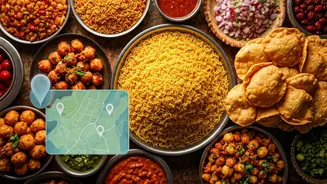
options with a few simple taps. They promise speed, variety, and the ultimate comfort. And for many dishes—a hearty biryani, a creamy dal makhani, or a simple pizza—they deliver on that promise reasonably well. These foods can withstand the journey. They can survive the bumps, the wait, and the slight drop in temperature. But chaat is different. Chaat is not just food; it’s a delicate, time-sensitive chemical reaction of textures and temperatures. It’s the crispness of a puri, the chill of the dahi, the warmth of the ragda, and the sharp tang of the chutney all colliding in a single, perfect bite. When we choose to subject this fragile art form to the logistics of delivery, we are unknowingly accepting a compromise. We are trading perfection for convenience, and in the case of chaat, it’s a terrible bargain.
The Tragedy of a Delivered Pani Puri
There are few culinary disappointments as profound as receiving a deconstructed pani puri kit. It arrives in a partitioned plastic tray: a handful of puris (some inevitably cracked), a small container of potato-chana mix, and two sealed pouches of pani—one sweet, one spicy. The magic is already lost. You are now an assembly-line worker in your own home, trying to replicate an experience that cannot be bottled. The puris have lost their glass-like shatter, replaced by a dull, slightly chewy texture. The pani is one-dimensional, lacking the freshly ground punch of mint, coriander, and jeera. It’s the same story for other chaat varieties. A bhel puri, pre-mixed and packed, arrives as a sorrowful, soggy mound, its puffed rice defeated by the moisture from the tomatoes and onions. Dahi bhalla, meant to be a cloud-like dumpling in chilled, sweet yogurt, often arrives lukewarm and dense. The essence of chaat is its immediacy. It is meant to be assembled and consumed within seconds, a fleeting moment of perfection that simply cannot survive a 20-minute bike ride in a plastic container.
The Theatre of the Thela
Now, contrast this with the real deal: the street-side chaatwala. This isn't just a transaction; it's a performance. Watch his hands move with the practised, lightning-fast grace of a maestro. The rhythmic thump of his thumb breaking the top of a puri, the swift scoop of fillings, the dunk into the earthenware matka of flavourful water, and the final presentation into your leaf bowl—it’s a spectacle. The air is thick with the aroma of toasted spices and fresh herbs. The sounds are a symphony: the sizzle of aloo tikkis on the giant tawa, the chatter of the evening crowd, and the vendor’s familiar call, “Dahi, Bhaiya?” Here, you are not a passive consumer but an active participant. You are the director of your own plate. “Bhaiya, thoda teekha zyada.” “Extra papdi on top, please.” “Make the next one a sukha puri.” This customisation is an integral part of the joy. Your chaat is made precisely to your liking, right before your eyes. This personal touch, this connection with the creator of your food, is something no app can ever replicate.
More Than Food: A Community Cornerstone
Your local chaat vendor’s stall is more than just a place to eat. It's an impromptu community centre, a landmark, a fixture of the neighbourhood’s social fabric. It's where you run into neighbours, catch up on local gossip, and share a casual moment of connection with strangers, all united by a common craving. It’s where colleagues decompress after work, and families treat their children on a weekend evening. Standing there, shoulder to shoulder with others, you are part of a shared public ritual. By stepping out of our homes and walking to the corner, we are doing more than just getting better-tasting food. We are participating in the life of our community. We are supporting a small, local entrepreneur whose livelihood depends on his skill and reputation, not on app algorithms and service fees. This small act reinforces the bonds that make a neighbourhood feel like home, something that staring at a delivery tracker on a screen can never do.