






In a world of instant notifications and constant demands, finding stillness can feel like a challenge. But what if the secret to cultivating patience and focus was waiting right in your backyard or on your windowsill? It's time to dig in.
It Teaches the Art of Slow Growth
We live in a
culture of instant gratification, where next-day delivery and on-demand streaming are the norm. Gardening is a powerful antidote to this mindset. When you plant a seed, you have no choice but to wait. Plants operate on their own timeline, a natural rhythm that cannot be rushed. This process teaches a profound lesson in patience. You learn that consistent, gentle care—not frantic effort—is what yields results. Watching a seedling slowly unfurl its first leaves or a bud gradually swell before it blooms encourages you to let go of the need for immediate outcomes and instead find satisfaction in the gradual journey of growth.
It Makes You an Expert Problem-Solver
A garden is a complex, living system, and it rarely goes exactly as planned. You might face unexpected pests, a sudden change in weather, or a plant that simply refuses to thrive. Rather than being a source of frustration, these challenges are opportunities to sharpen your focus. Mindful gardening encourages you to become a careful observer and a creative problem-solver. You learn to pay close attention to small details: the colour of a leaf, the moisture of the soil, the presence of a new insect. This requires a focused, present-state awareness, pulling your attention away from abstract worries and anchoring it in the tangible task of figuring out what your plant needs. Each challenge you overcome builds resilience and confidence.
It Fully Engages Your Senses
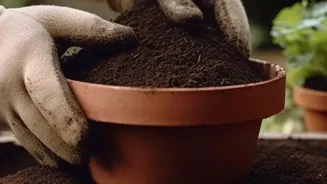
One of the core principles of mindfulness is grounding yourself in the present moment, and gardening makes this effortless by engaging all of your senses. It’s a full-body experience that pulls your focus away from digital distractions and mental clutter. You feel the texture of the soil on your hands, smell the distinct aroma of damp earth and fragrant blossoms, see the vibrant spectrum of greens and colours, and hear the gentle rustle of leaves. This rich sensory stimulation is a powerful way to quiet a busy mind. Studies show that this level of engagement can lower stress hormones like cortisol, reduce blood pressure, and create a state of calm.
Repetitive Tasks Become a Meditation
Many gardening tasks are repetitive by nature: watering, weeding, pruning, or turning compost. While they might seem mundane, these rhythmic activities can be profoundly meditative. When you allow yourself to become absorbed in the simple, repeated motions, your mind can enter a state of flow. This is a form of active meditation, where you are focused entirely on the task at hand without distraction. Unlike passive meditation, which can be difficult for a restless mind, the physical engagement of gardening provides an anchor for your attention. It quiets the constant internal chatter, reduces anxiety, and allows for mental clarity to emerge naturally from the steady, focused work.
It Redefines Your Relationship with Failure
In gardening, not every seed will sprout, and not every plant will survive. This reality offers a gentle but important lesson in acceptance and letting go. In many areas of life, we are taught to fear failure. But in the garden, a plant that dies is not a personal failing; it is simply part of a natural process. It’s an opportunity to learn, adjust, and try again. This perspective cultivates emotional resilience. You learn that sometimes, despite your best efforts, things are outside of your control. This practice of non-judgmental observation—noticing what happened without attaching blame—is a cornerstone of both mindfulness and patience, helping you approach challenges in all areas of your life with greater calm and acceptance.