



First, What Is Japandi?
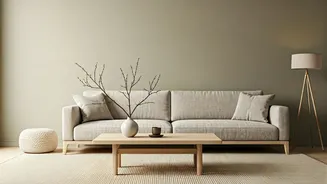
Before we dive into why it's everywhere, let's define the term. 'Japandi' is a hybrid design philosophy that merges Japanese minimalism with Scandinavian functionality. It’s the love child of Japan’s ‘wabi-sabi’—the art of finding beauty in imperfection
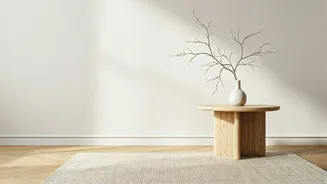
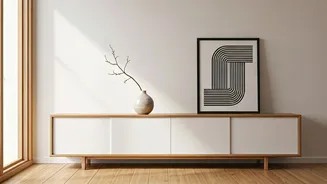
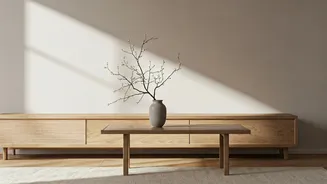
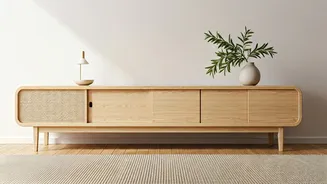
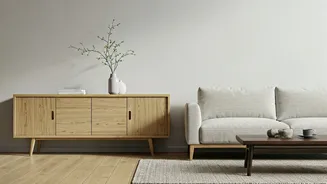
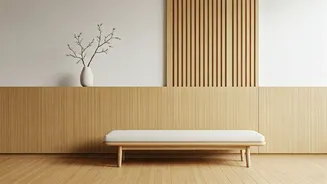
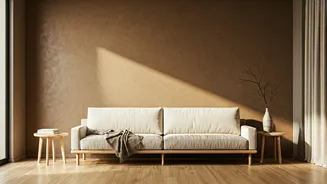
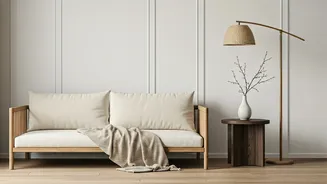
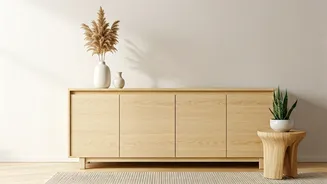
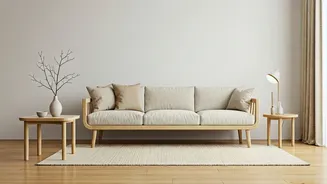
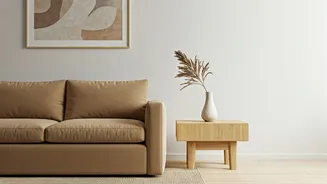
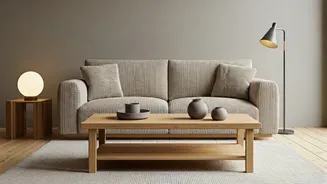
and simplicity—and Scandinavia’s ‘hygge’—the pursuit of coziness, comfort, and contentment. The result is an aesthetic defined by clean lines, muted colour palettes (think beige, cream, grey, and soft earth tones), natural materials like light woods and bamboo, and a fierce dedication to decluttering. Every object has a purpose and a place. It's less about sterile emptiness and more about creating a calm, organised, and intentional space that feels like a breath of fresh air.
The Social Media Effect
Japandi's visual language is perfectly suited for the quick-cut, high-impact format of makeover videos. The 'before' shot is often a typical, cluttered room filled with mismatched items. Then, with a satisfying swipe or transition, the 'after' reveals a serene, light-filled space that looks impossibly chic. This dramatic transformation is algorithm gold. The stark contrast provides an instant dopamine hit for the viewer, making the content highly shareable. Indian content creators have mastered this format, showcasing how small, often rented, urban apartments can be completely reinvented. The videos act as both inspiration and a practical guide, with creators often linking to the exact (and often affordable) products used to achieve the look.
A Quiet Rebellion Against Clutter
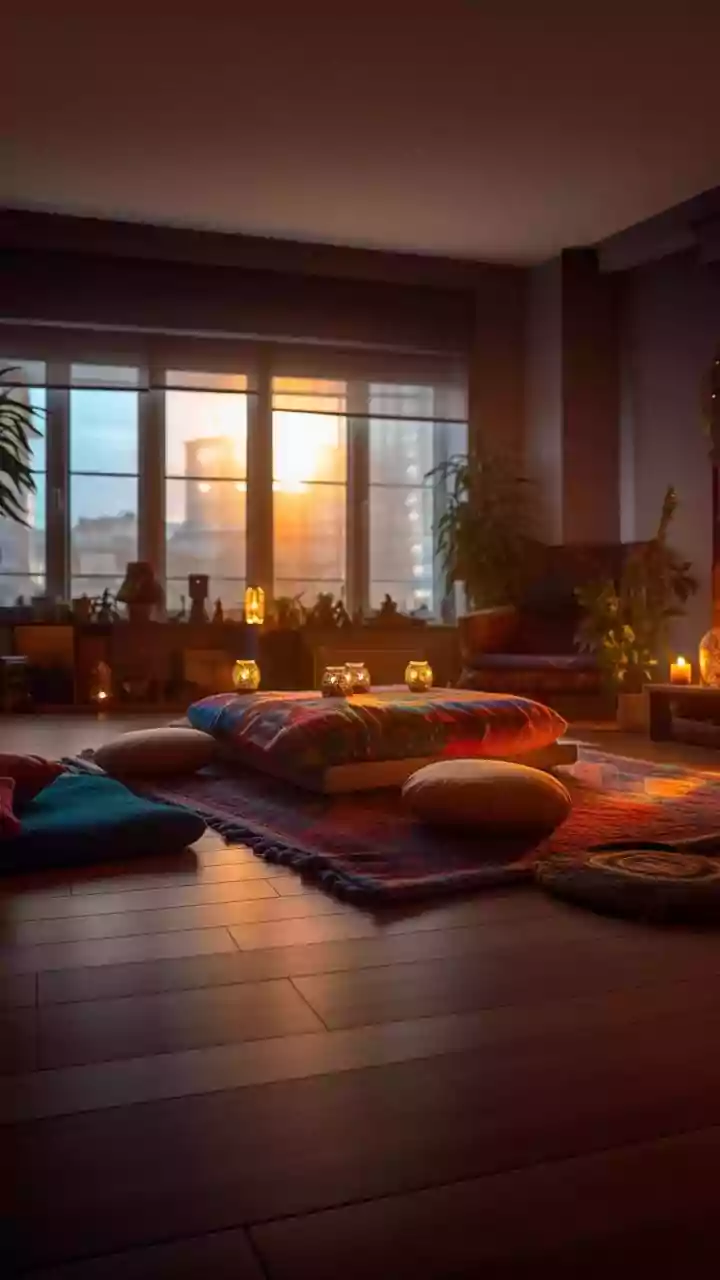
For generations, the quintessential Indian home aesthetic has often been one of rich abundance—vibrant colours, intricate patterns, ornate furniture, and collections of decorative items that tell a family's story. While that style remains beautiful and cherished, the rise of Japandi can be seen as a reaction to a different kind of 'noise'. In an increasingly chaotic, always-on world, many young, urban Indians are craving a personal sanctuary. Their homes are no longer just places to live, but spaces to decompress. The minimalism of Japandi offers a visual and mental break from the sensory overload of city life. It's less a rejection of traditional Indian aesthetics and more a conscious choice for tranquility and order in one's immediate environment.
Designed for the Urban Millennial
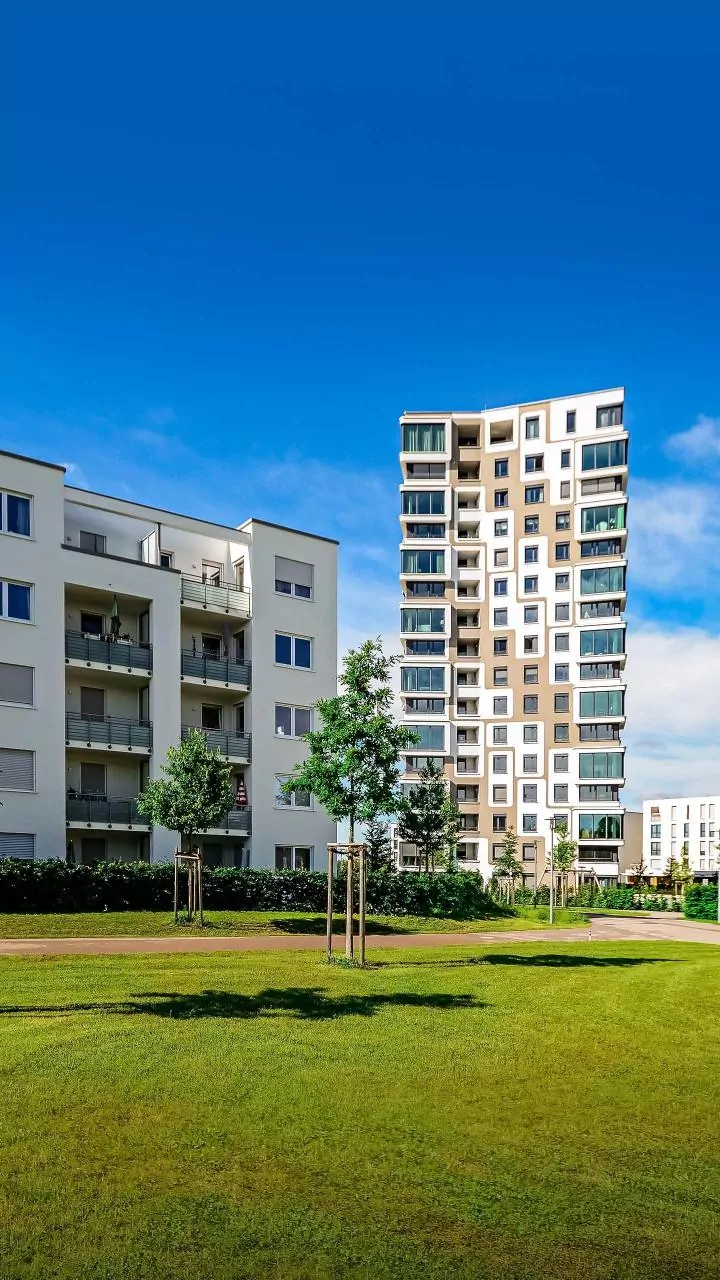
There's a strong practical element driving this trend. As more Indians move to metros for work and education, they are living in smaller apartments where space is at a premium. The Japandi philosophy, with its emphasis on functionality, multi-purpose furniture, and an uncluttered approach, is not just a style choice—it's a smart living solution. A foldable desk, a neutral sofa that doesn’t overwhelm a small room, and clever storage solutions are essential for modern urban life. This aesthetic makes a small space feel larger, brighter, and more manageable. It speaks directly to a generation that values efficiency and calm, and is more likely to be living in a 2BHK in Bengaluru than a sprawling family home.
Aspiration in a Globalised World
Adopting a global trend like Japandi is also a form of aspiration. For many, it signals a modern, cosmopolitan identity. It’s about curating a life that aligns with a global standard of taste, similar to the sleek, minimalist apartments seen on Netflix shows or in international magazines. It reflects a desire to be part of a global conversation about design and wellness. This doesn't mean abandoning Indian identity, but rather integrating different influences to create a personal style. The Japandi-inspired Indian home might feature clean lines and a neutral palette, but it will also have a corner for a brass lamp from a local market or a wall adorned with a cherished piece of Madhubani art. It's a fusion, creating a new, personal aesthetic.