





The Charm of an Analogue Detail
Look around the modern workspace, whether at home or in the office. It’s a landscape of glowing screens, ergonomic chairs, and wireless everything. But amidst this drive for hyper-efficiency, a quiet rebellion is emerging. It’s small, green, and steeped
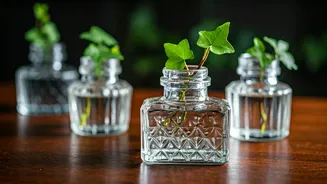
in history: the practice of using antique glass inkwells to hold cuttings of ivy or money plant. This micro-trend is more than just a decor hack seen on Instagram and Pinterest; it’s a deliberate choice to introduce something with soul and story into a space often defined by its functionality. The visual is undeniably lovely: the heavy, often ornate glass of a bygone era, catching the light, with a single, vibrant green vine spilling over its edge. It’s a punctuation mark of personality on an otherwise uniform desk.
A Dose of Biophilia for Your Desk
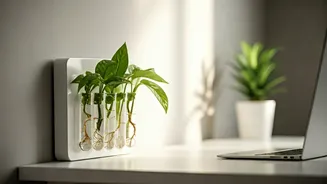
At its core, this trend taps into the principle of biophilia—our innate human need to connect with nature. Research has consistently shown that having plants in our workspace can reduce stress, increase productivity, and boost our mood. While a large fiddle-leaf fig might not be practical for every desk, a small cutting in an inkwell is. It offers a low-maintenance, high-impact way to bring a living element into your immediate line of sight. Watching a tiny root system develop in the water or a new leaf unfurl provides a gentle, grounding distraction from the relentless scroll of emails and notifications. It’s a living, breathing counterpoint to the cold, hard surfaces of our technology, reminding us of a different, more natural pace of life.
The Allure of Nostalgia and Patina
Why an inkwell, specifically? Because it evokes a sense of nostalgia for a pre-digital world. An inkwell speaks of handwritten letters, of deliberate thought, of a time when communication was a more tactile and considered act. These objects, often made of thick, durable glass or even crystal, carry the 'patina' of a past life. They may have small imperfections—a chip here, a bubble in the glass there—that mark them as unique. In an age of mass-produced goods, owning something with history makes a personal statement. It suggests an appreciation for craftsmanship, durability, and storytelling. Finding and using a vintage inkwell is a form of sustainable decorating, giving a beautiful, forgotten object a new purpose rather than buying something new.
How to Find Your Piece of History
Sourcing an authentic vintage inkwell can be a delightful treasure hunt. In India, your best bet is to explore the winding lanes of local antique markets, like Mumbai’s Chor Bazaar, Delhi’s Sunder Nagar, or Kolkata’s New Market area. These places are treasure troves for glass and brassware. Don’t be afraid to rummage and bargain. Look for heavy glass with interesting shapes—square, round, or even multi-welled for different ink colours. Online platforms like Instagram thrift stores and dedicated antique seller websites have also made it easier than ever to find these gems. When buying, check for major cracks that could cause leaks, but don't shy away from minor signs of age that add character. Prices can vary widely, from a few hundred rupees for a simple piece to much more for rare or ornate ones.
Choosing and Caring for Your Green Companion
The perfect plant for an inkwell is one that thrives in water, and for this, nothing beats Pothos (Money Plant) or a variety of English Ivy. These plants are famously resilient and easy to propagate. Simply take a cutting from a healthy parent plant, ensuring it has at least one node (the small bump on the stem where leaves grow). Place the cutting in the inkwell filled with clean, room-temperature water, making sure the node is submerged. That's it. Change the water every week or so to keep it fresh and prevent algae growth. Place your inkwell in a spot with indirect sunlight, and within a few weeks, you should see delicate white roots begin to form—a small, satisfying victory for your workspace.