





What the Study Found
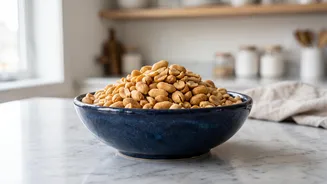
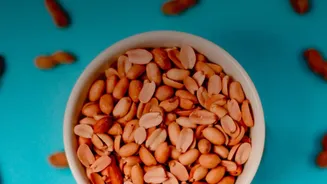
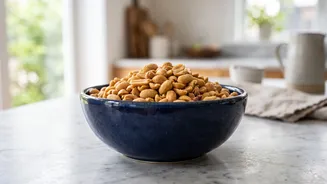
Recent research from the Maastricht University Medical Center in the Netherlands has provided intriguing new evidence for the brain-boosting power of peanuts. In a controlled trial, researchers found that older adults who consumed 60 grams of unsalted,
skin-roasted peanuts daily for 16 weeks showed significant improvements in certain cognitive areas. Specifically, participants saw a 5.8% improvement in verbal memory. The study also measured a 3.6% increase in global cerebral blood flow, which is the rate of blood delivery to the brain, suggesting an overall enhancement in brain vascular function. This improved blood flow is crucial, as it delivers the essential oxygen and nutrients the brain needs to stay healthy and perform optimally.
How the Research Was Conducted
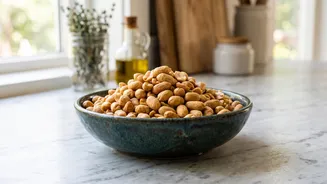
To ensure the findings were reliable, the scientists designed a randomized, controlled crossover trial. They recruited 31 healthy adults between the ages of 60 and 75. For 16 weeks, these participants ate 60 grams of peanuts daily—roughly equivalent to two small handfuls. They were then compared to a control period where they ate no peanuts. This crossover design, where every participant experiences both the peanut diet and the control diet, is a strong method for testing the effects of a specific food. Participants were allowed to eat their daily portion all at once or spread it throughout the day, making it easy to incorporate into their normal routines.
Why Peanuts? The Power of Nutrients
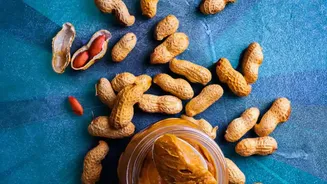
So, what makes peanuts so special for the brain? It’s not one single ingredient but rather a powerful combination of nutrients and bioactive compounds. Peanuts are particularly rich in L-arginine, an amino acid that the body uses to create nitric oxide. Nitric oxide helps relax and widen blood vessels, which can improve blood flow throughout the body, including to the brain. Furthermore, peanuts, especially their thin papery skins, are packed with polyphenols. These compounds have antioxidant and anti-inflammatory properties that may help protect brain cells from damage and stress. The healthy monounsaturated fats, protein, and fibre in peanuts also contribute to overall cardiovascular health, which is closely linked to cognitive function.
The Insulin Connection
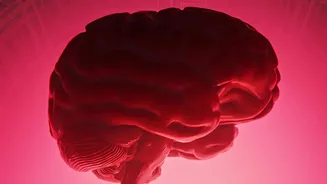
One of the most fascinating aspects of the new research is its focus on insulin. While we often associate insulin with blood sugar control, it also plays a vital role in the brain, supporting the growth and communication of nerve cells essential for learning and memory. As people age, the brain can become less responsive to insulin, a change that has been linked to cognitive decline. The study found that daily peanut consumption improved insulin responsiveness in key memory-related brain regions, like the hippocampus. This suggests that peanuts might help keep these brain pathways sharp and efficient, potentially protecting against age-related changes.
A Dose of Reality
While these findings are exciting, it's important to view them in context. This was a small study with only 31 participants, so the results need to be confirmed by larger, longer-term research. The study shows a strong association between peanut consumption and improved brain metrics, but it does not prove that peanuts can prevent or reverse cognitive decline or diseases like Alzheimer's. Researchers themselves caution that it's the overall dietary pattern that matters most for long-term health, not just a single 'superfood'. However, the evidence does suggest that adding a daily portion of unsalted, skin-on peanuts to an already balanced diet could be a simple and beneficial habit for supporting brain health as you get older.