


The Great Fat Debate Simplified
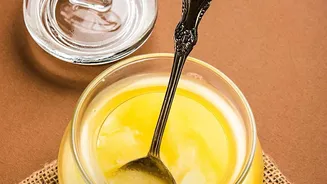
The heart of this switch lies in the difference between saturated and unsaturated fats. Butter is rich in saturated fat. Diets high in saturated fat have been associated with increased levels of LDL cholesterol, sometimes called 'bad' cholesterol, which
can contribute to heart disease risk. Unsaturated fats, the stars of cold-pressed oils, are a different story. These are divided into monounsaturated and polyunsaturated fats. When substituted for saturated fats, they can help improve cholesterol levels and reduce the overall risk of cardiovascular issues. It’s less about demonising butter entirely and more about understanding the powerful health advantages that unsaturated fats bring to the table.
The Meaning of 'Cold-Pressed'
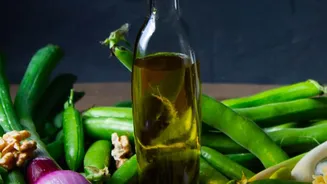
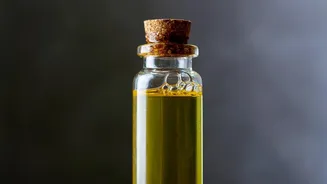
Not all oils are created equal, and the term 'cold-pressed' is a mark of quality. It refers to an extraction method where oil is mechanically pressed from seeds or fruits at low temperatures, typically below 49°C. This gentle process avoids the high heat and chemical solvents used to create many refined oils. The benefit is twofold: it preserves the oil's natural flavours and, most importantly, its nutrients. Cold-pressed oils retain more of the beneficial compounds like antioxidants, vitamins, and polyphenols that are often stripped away during industrial refining. Think of it as the difference between fresh-squeezed juice and juice from concentrate; one is simply more vibrant and nutrient-dense.
A Cook's Guide to Popular Oils
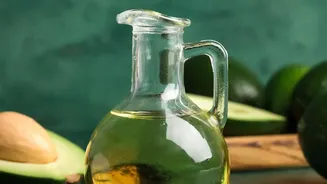
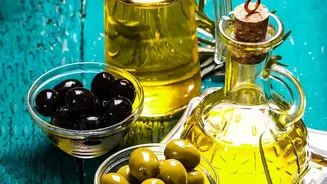
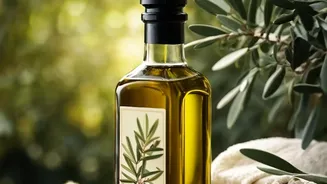
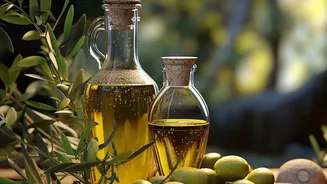
The world of cold-pressed oils is diverse, with each offering unique flavours and health benefits. Extra Virgin Olive Oil is a staple, rich in heart-healthy monounsaturated fats and perfect for salad dressings and drizzling over finished dishes. Avocado Oil, with its buttery flavour, is packed with Vitamin E and boasts a high smoke point, making it suitable for medium-heat cooking like roasting and sautéing. Flaxseed Oil is a powerhouse of plant-based omega-3 fatty acids, which help reduce inflammation, but it's delicate and should only be used for cold applications like adding to smoothies or dressings, never for cooking. Exploring these oils adds new layers of flavour and nutrition to your meals.
Beyond Health: Culinary Versatility
The switch is also about performance in the kitchen. A crucial factor for any cook is the smoke point—the temperature at which a fat begins to break down and smoke, creating a bitter taste and harmful compounds. Butter has a relatively low smoke point, around 150-177°C, which is why it can burn quickly when you're trying to sear meat at a high temperature. Many oils offer a significant advantage here. For instance, unrefined avocado oil has a smoke point around 190°C, while more refined versions can go much higher. This makes oils more versatile for a range of cooking methods, from a gentle sauté to a high-heat roast, without the risk of burning your fat and ruining the flavour of your dish.