

The Thali: A Platter of History and Hospitality
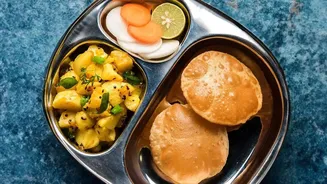
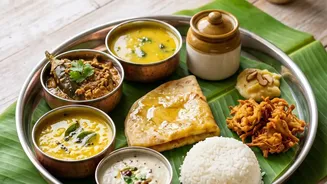
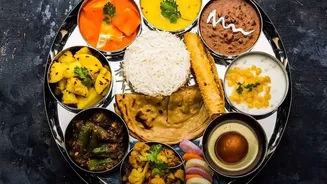
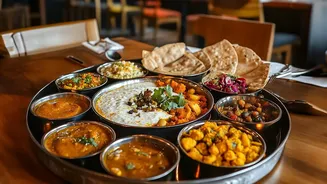
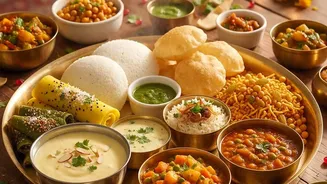
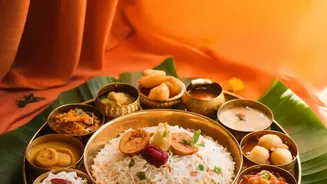
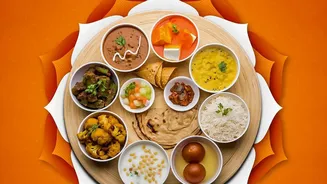
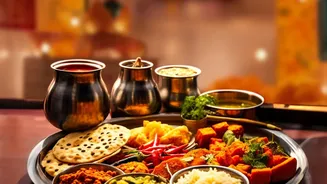
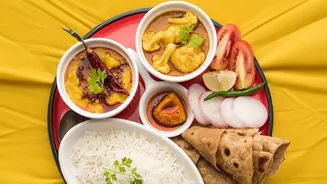
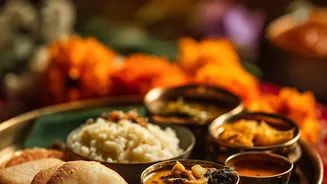
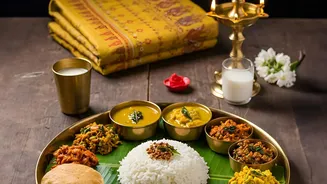
The quintessential Rajasthani dining experience is the thali, a magnificent platter that serves as a microcosm of the state's culinary identity. This isn't just a meal; it's a ceremony of flavours, textures, and aromas. At its heart lies the iconic Dal
Baati Churma. The baati, hard wheat balls baked to perfection, has its origins in the needs of Rajput warriors, who would bury dough in the hot desert sand to cook while they were in battle. These dense bread balls are meant to be crushed, drowned in a generous serving of ghee, and eaten with panchmel dal, a flavourful mix of five lentils. The churma, a coarsely ground wheat crumble sweetened with jaggery and ghee, provides a delightful contrast, completing a trifecta that is both rustic and royal. The amount of ghee served is traditionally seen as a measure of the host's hospitality and affection.
Beyond the Baati: A Symphony of Flavours
While Dal Baati Churma is the star, a true Rajasthani thali is a constellation of diverse dishes. The cuisine is a masterclass in creating delicious food despite the scarcity of fresh green vegetables. You'll often find Gatte ki Sabzi, where steamed and spiced gram flour (besan) dumplings are simmered in a tangy yogurt-based curry. Another desert specialty is Ker Sangri, a unique dish made from dried berries and beans found in the arid landscape, cooked with a host of spices to create a tangy and savoury preparation. These curries are accompanied by a variety of breads, from the simple roti to the pearl millet-based bajre ki roti, each serving as a perfect vehicle to scoop up the rich gravies. Every element on the thali tells a story of ingenuity and adaptation.
The Spice of the Streets: Crispy, Crunchy Bliss
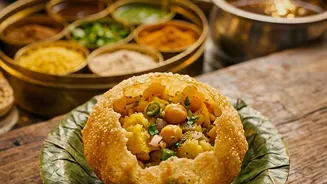
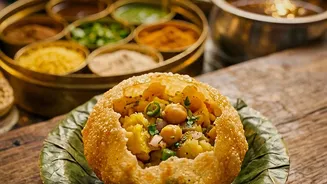
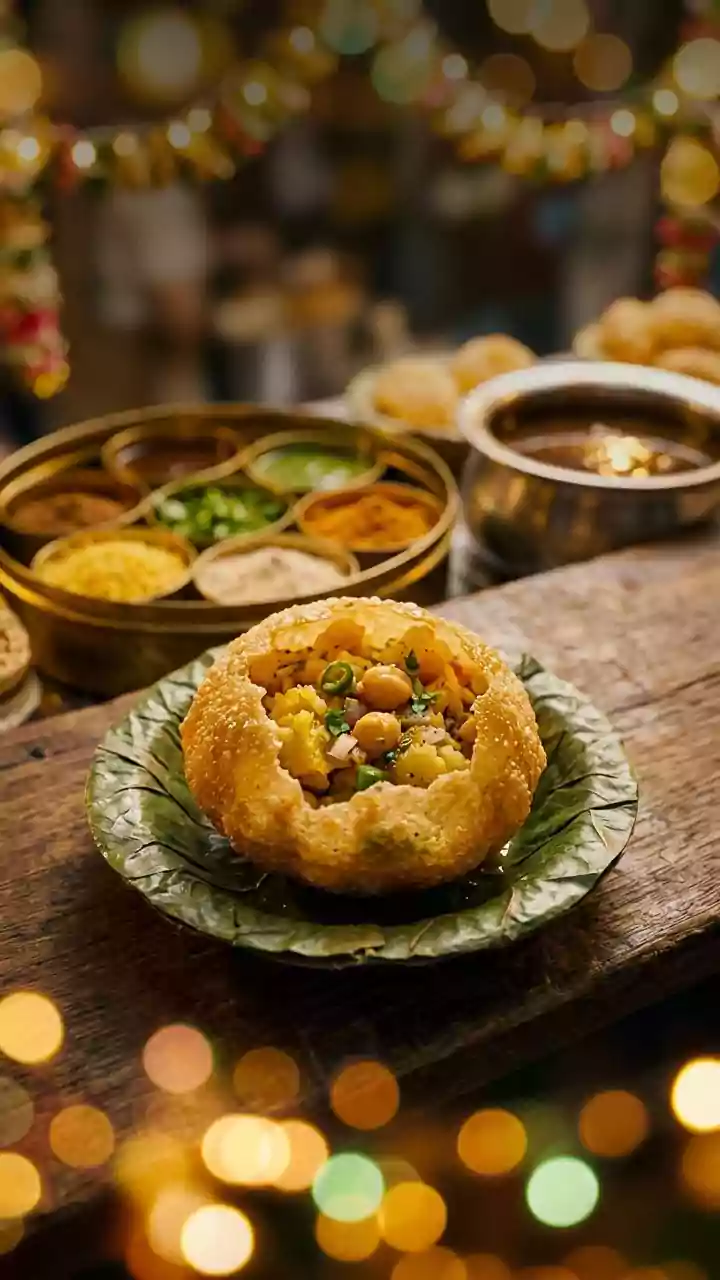
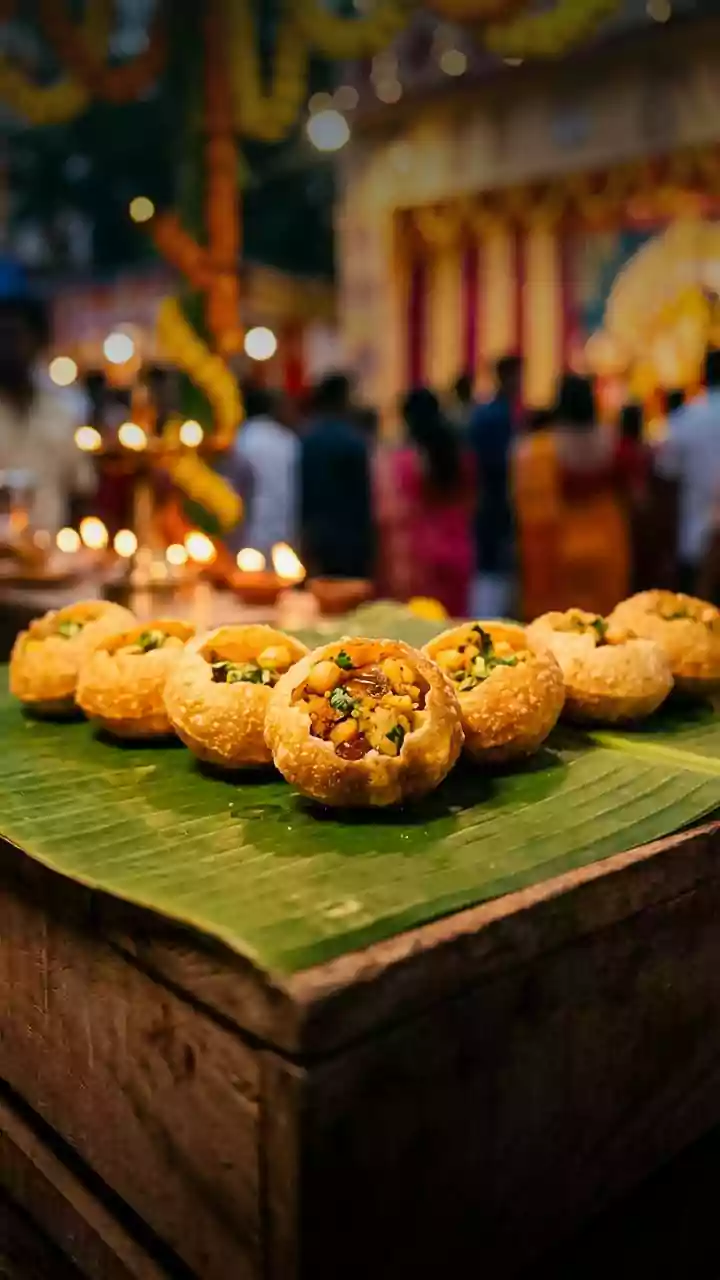
Away from the formal setting of the thali, the bustling streets of Rajasthan offer a different, but equally compelling, culinary adventure. Here, it is all about crispy, spicy snacks that provide a quick burst of flavour. The most famous of these are Pyaaz ki Kachori and Mirchi Vada. Pyaaz ki Kachori, a flaky pastry stuffed with a spicy onion filling, is a beloved breakfast item and evening snack across the state. Originating in Jodhpur, this deep-fried delight is the perfect combination of a crunchy exterior and a soft, flavourful interior, often served with tamarind chutney. Then there is the formidable Mirchi Vada, a large green chili stuffed with a spicy potato filling, dipped in gram flour batter, and fried to a golden crisp. It's a fiery, irresistible treat that captures the Rajasthani love for bold flavours.
A Snack for Every Mood
The world of Rajasthani snacks extends far beyond these two icons. Walk through any market, and you will find vendors selling a wide array of fried and savoury bites. Moong Dal Pakoras, small fritters made from ground lentils and spices, are a popular tea-time accompaniment. For those with a sweet tooth, there's the Mawa Kachori, a Jodhpur specialty. Unlike its savoury cousin, this kachori is filled with sweetened khoya (milk solids) and nuts, then dipped in sugar syrup for a truly decadent experience. These snacks are not just food; they are an integral part of daily life, enjoyed during festivals, family gatherings, or simply as a satisfying break in the day.
Sweet Endings Forged in the Desert
No Rajasthani food exploration is complete without indulging in its desserts, which are as rich and grand as its history. Ghevar, a disc-shaped sweet made from flour and ghee, is a monsoon specialty, particularly associated with the Teej festival. Its honeycomb texture soaks up sugar syrup, and it's often topped with rabri (thickened sweet milk) for extra richness. Another classic is Malpua, a small, deep-fried pancake soaked in syrup, soft and comforting with every bite. These sweets, often prepared with milk, ghee, and sugar, were designed to last in the dry climate and provide energy, embodying the resourcefulness and celebratory spirit of the region's culture.