



Beyond Butter Chicken and Dosas
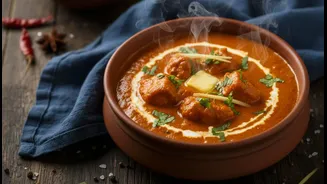
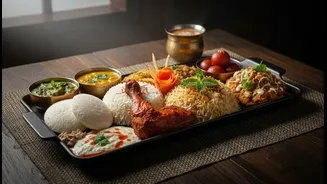
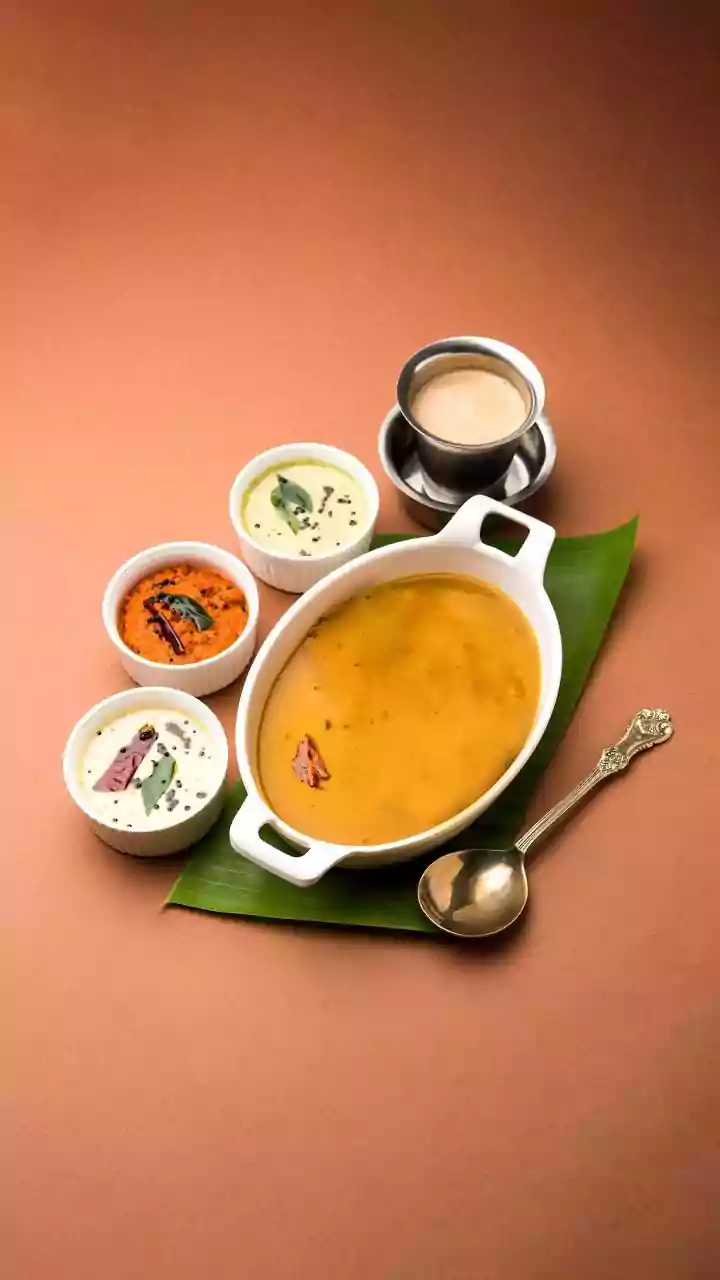
The Indian restaurant menu has long been a predictable affair, dominated by a handful of universally popular, and often standardised, dishes. Think butter chicken, paneer tikka masala, and a familiar roster of dosas. While delicious, this shorthand for
'Indian food' barely scratches the surface of the subcontinent's staggering culinary diversity. Now, a significant shift is underway. Restaurants are moving beyond these broad categories, choosing instead to celebrate hyper-regional specialties. This movement is redefining what it means to eat Indian food, introducing diners to the complex flavours of states and communities that were previously only enjoyed in home kitchens. According to industry insights, a large percentage of diners are now actively seeking out these authentic, regional culinary experiences, signalling a major change in consumer appetite.
A Culinary Map on Your Plate
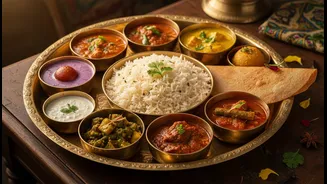
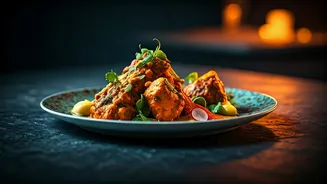
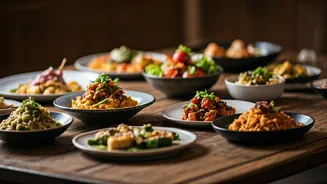
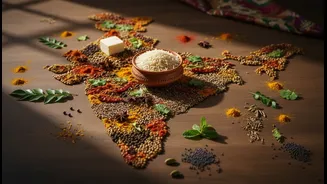
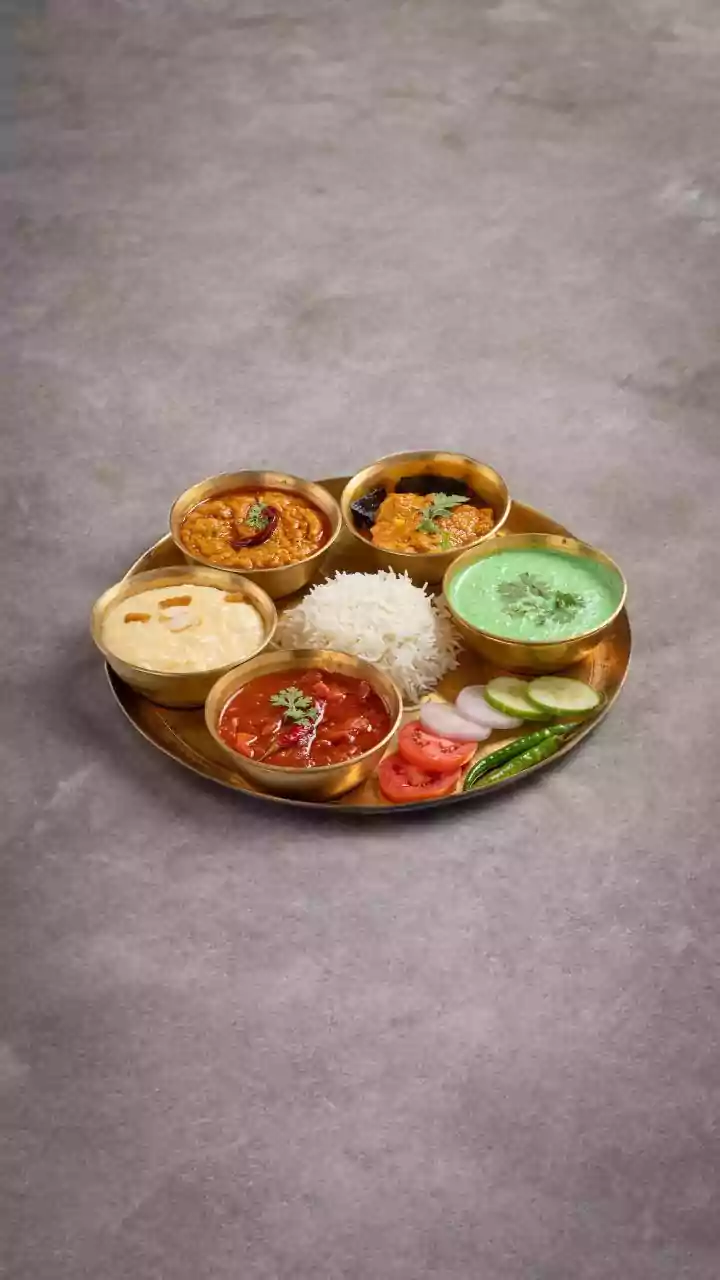
This trend is not just about adding one or two new dishes. It's about a fundamental change in philosophy. Ambitious chefs and restaurateurs are curating menus that read like a culinary atlas of India. It’s no longer surprising to find a fiery Goan vindaloo sitting alongside a rustic Bihari litti chokha, or a delicate Kashmiri nadru yakhni (lotus stem in yogurt gravy) offered next to a robust Chettinad curry from Tamil Nadu. This approach presents a vibrant mosaic of flavours, textures, and cooking techniques. Chefs are digging deep into the culinary traditions of all of India's states, sometimes even focusing on tribal recipes and resurrecting forgotten dishes. This celebration of diversity offers a more honest, more exciting representation of the country's food landscape.
The Drivers of the Dining Revolution
Several factors are fuelling this cross-state culinary wave. Today’s Indian diner is more informed, well-travelled, and adventurous than ever before. There's a growing curiosity to connect with one's own heritage and explore the stories behind the food. Social media also plays a huge role; visually striking dishes and unique regional cuisines are highly shareable, influencing dining choices and driving trends. Furthermore, a new generation of chefs is leading the charge. Many are moving away from continental cooking techniques taught in culinary schools to rediscover and champion the recipes of their own regions, bringing a sense of pride and precision to local food. This 'back to the roots' movement is about preserving authenticity while presenting it in a contemporary dining format.
The Challenge of Authenticity
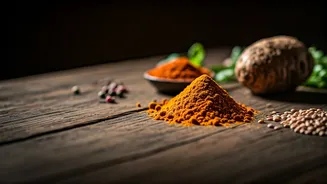
While exciting, this trend is not without its challenges. Mastering the nuances of multiple regional cuisines is a formidable task for any chef. Each state has its own unique spice blends, cooking methods, and indigenous ingredients. There is a risk of creating a 'greatest hits' menu that offers a superficial taste of many cuisines without the depth of any single one. Purists may argue that true authenticity is lost when a dish is removed from its cultural and geographical context. However, the best of these new restaurants are not simply copying recipes. They are undertaking deep research, often working with home cooks and local communities to understand the soul of the food. The goal for many is not fusion for its own sake, but a thoughtful representation that honours tradition while making it accessible to a wider audience.