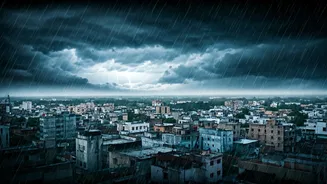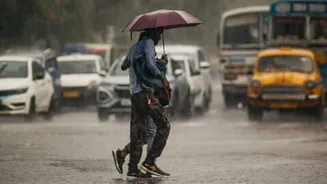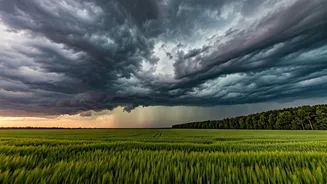




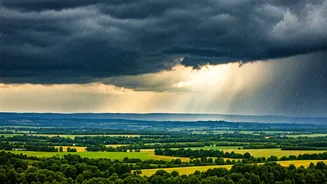



The Current Situation: Heatwave and Thunderstorm Alerts
Uttar Pradesh is currently experiencing a mix of weather phenomena as it awaits the full arrival of the monsoon. The India Meteorological Department (IMD) has noted that while the monsoon's advance is imminent, parts of the state are still grappling with
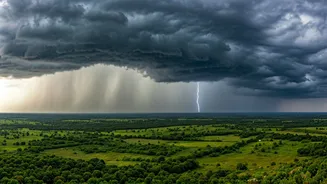
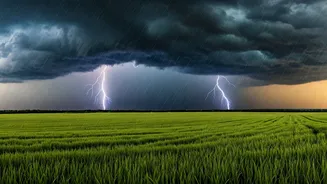
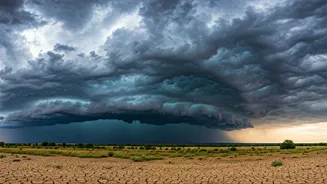
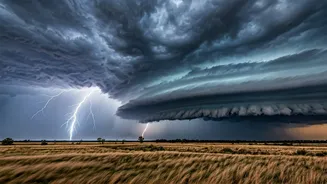
heatwave conditions. As of June 25, 2026, a heatwave alert remains in effect for East Uttar Pradesh, expected to last until June 28. In contrast, pre-monsoon activity is beginning to make its presence felt. The IMD has issued warnings for thunderstorms, lightning, and squalls for parts of the state. For instance, a thundersquall warning with wind speeds reaching 50-60 kmph was issued for West Uttar Pradesh on June 24. This pre-monsoon activity, marked by strong winds and initial showers, serves as a precursor to the more widespread and sustained rainfall of the monsoon season.
When Will the Monsoon Arrive?
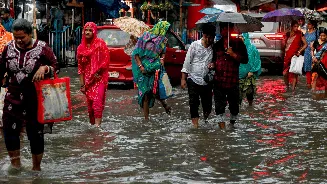
The crucial question for residents and farmers is the exact timing of the monsoon's onset. According to the latest IMD forecasts, conditions are favorable for the Southwest Monsoon to advance into some parts of Uttar Pradesh in the coming days. The monsoon is expected to reach parts of the state after covering Jharkhand and Bihar over the next two to three days. Specifically, the IMD anticipates that fairly widespread rainfall will likely commence over East Uttar Pradesh around June 30. This represents a delay from the normal onset date of June 18, with the state experiencing a significant rainfall deficit of 52% between June 1 and June 23. While the delay has caused concern, the recent progress of the monsoon across central India has renewed hope for imminent relief from the heat.
Essential Safety During Thunderstorms
The arrival of thunderstorms demands caution. The primary rule is: "When Thunder Roars, Go Indoors!". Seek shelter in a sturdy building or a hard-top vehicle, as picnic shelters, sheds, and convertibles are not safe. Inside, it's crucial to avoid anything that can conduct electricity. This includes corded phones, electrical appliances, and plumbing. Refrain from showering, washing dishes, or doing laundry during a storm, as lightning can travel through pipes. Stay away from windows and doors. It's safest to use cordless or cellular phones for communication. Wait at least 30 minutes after the last clap of thunder before venturing outside again.
If You're Caught Outside
If you cannot find a sturdy shelter, there are steps to minimize risk. Immediately avoid high ground, open fields, and isolated tall objects like single trees or poles. Water is a conductor, so get out of any boats or swimming pools and move away from the shore. Do not take shelter under an underpass. Instead, find a low-lying area, such as a valley or a ditch, but be mindful of the potential for flash flooding. If you're in a forest, seek shelter in a dense patch of smaller trees. Avoid contact with metal objects like fences, bicycles, or golf clubs. If you are in a group, spread out to reduce the risk of multiple injuries from a single strike.
Preparing Your Home for the Rains
A little preparation can prevent significant damage and ensure safety during the monsoon season. Start by trimming dead or rotting trees and branches that could fall during high winds. Clear your gutters and drains to prevent waterlogging and allow rainwater to flow away from your home. Secure any loose objects in your yard, balcony, or on your roof, such as outdoor furniture or antennas, as these can become dangerous projectiles in strong winds. It's also wise to assemble an emergency kit that includes essentials like non-perishable food, water, a flashlight with extra batteries, and a first-aid kit. Consider unplugging sensitive electronics during a severe thunderstorm to protect them from power surges caused by lightning.